MOTHER TONGUE
MOTHER TONGUE


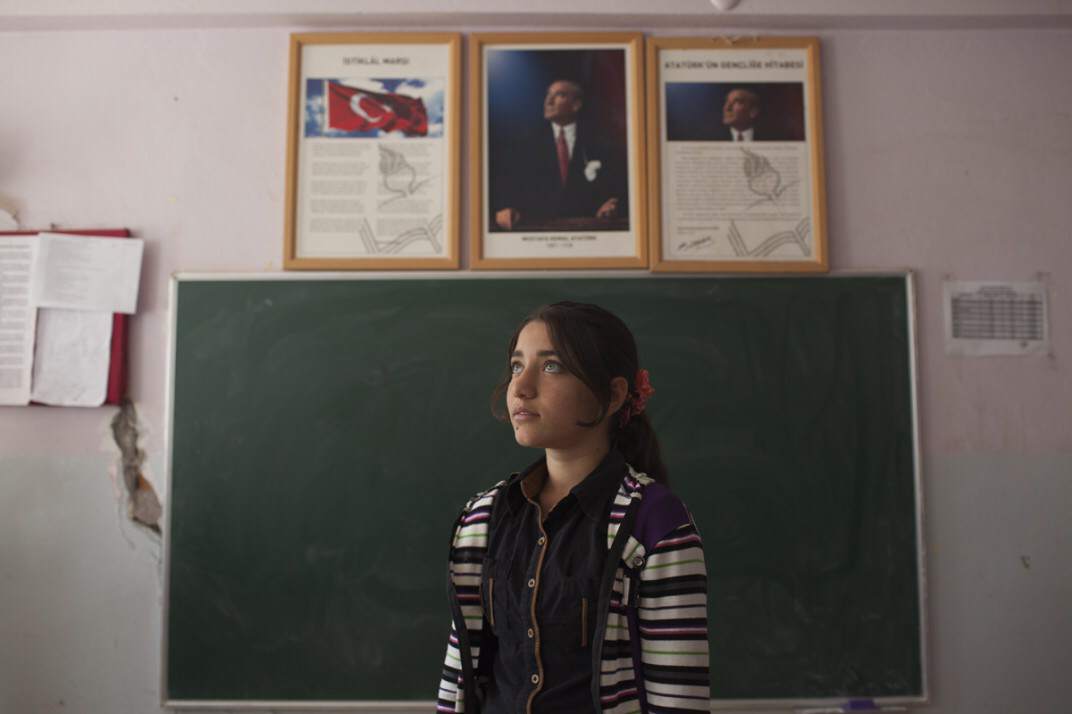
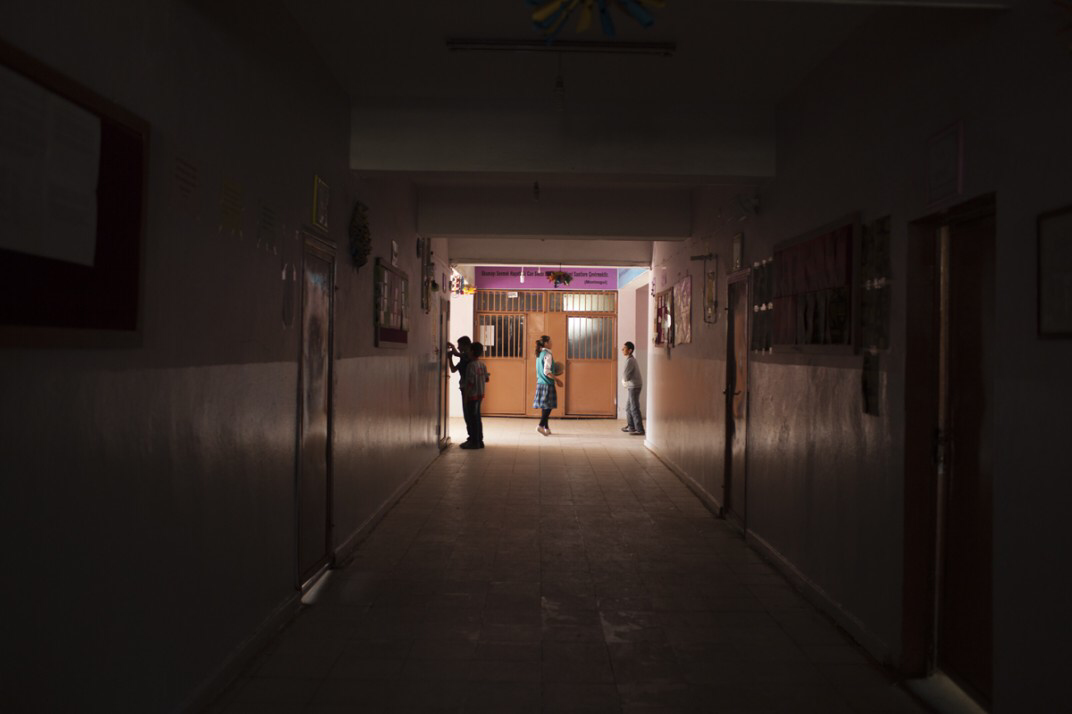
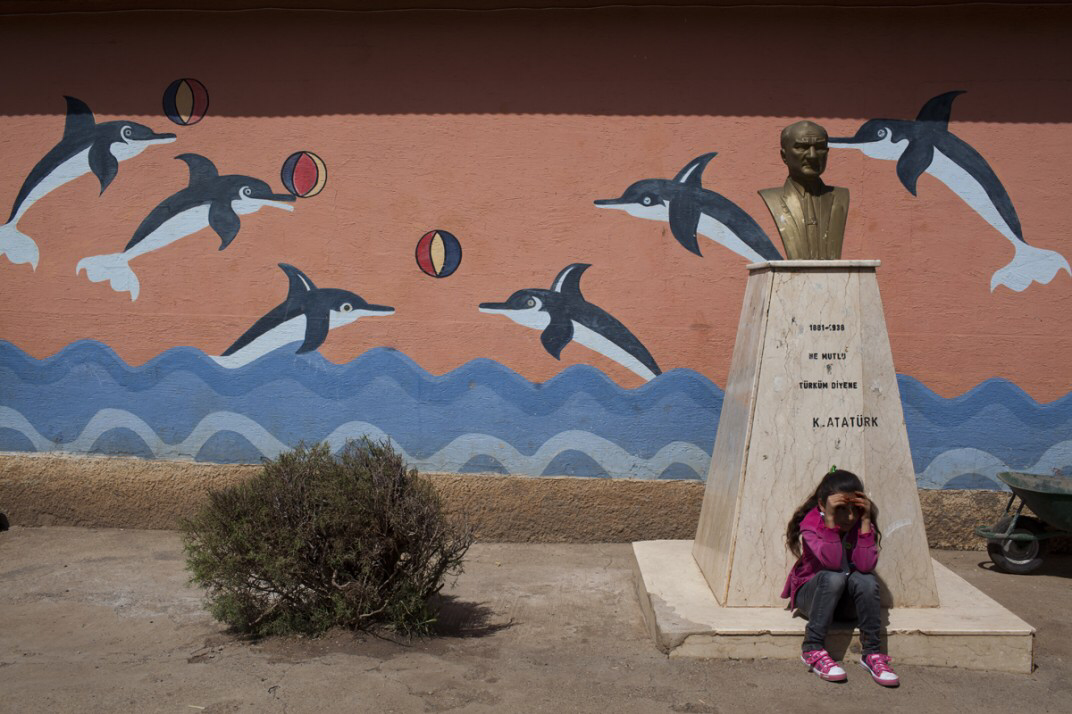
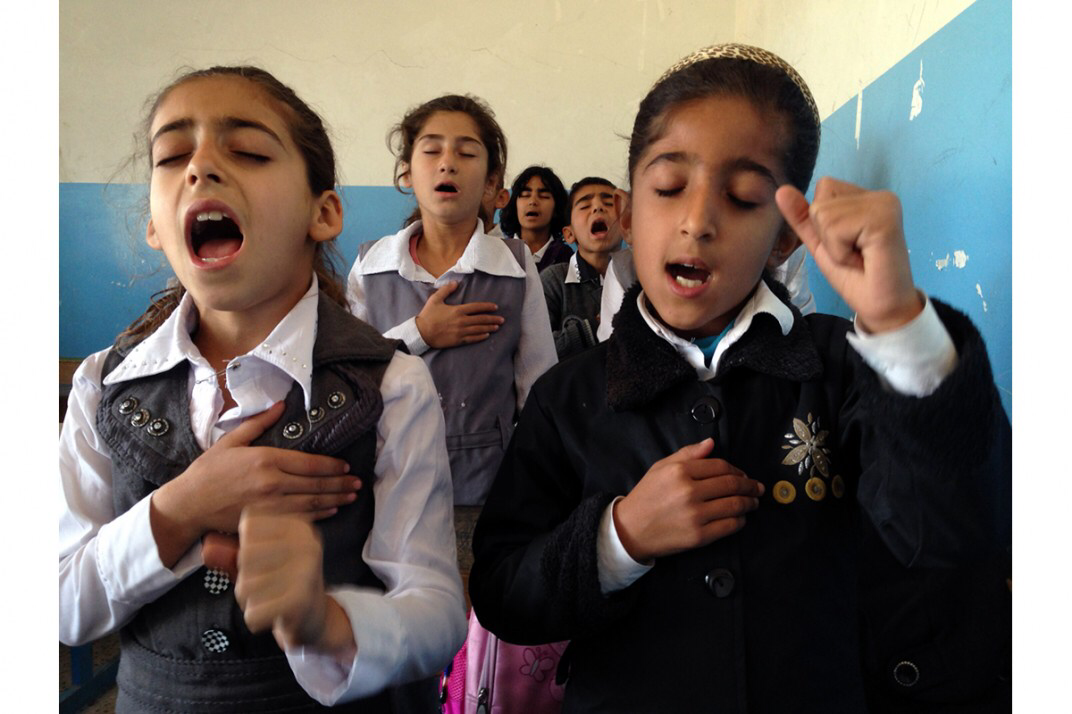
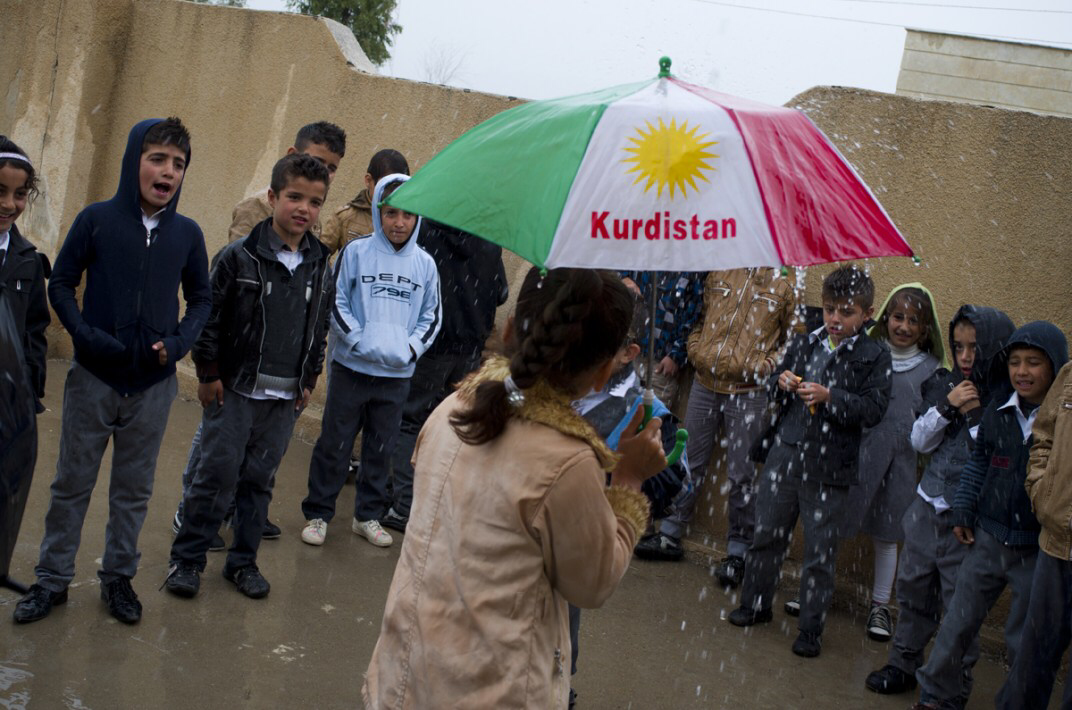
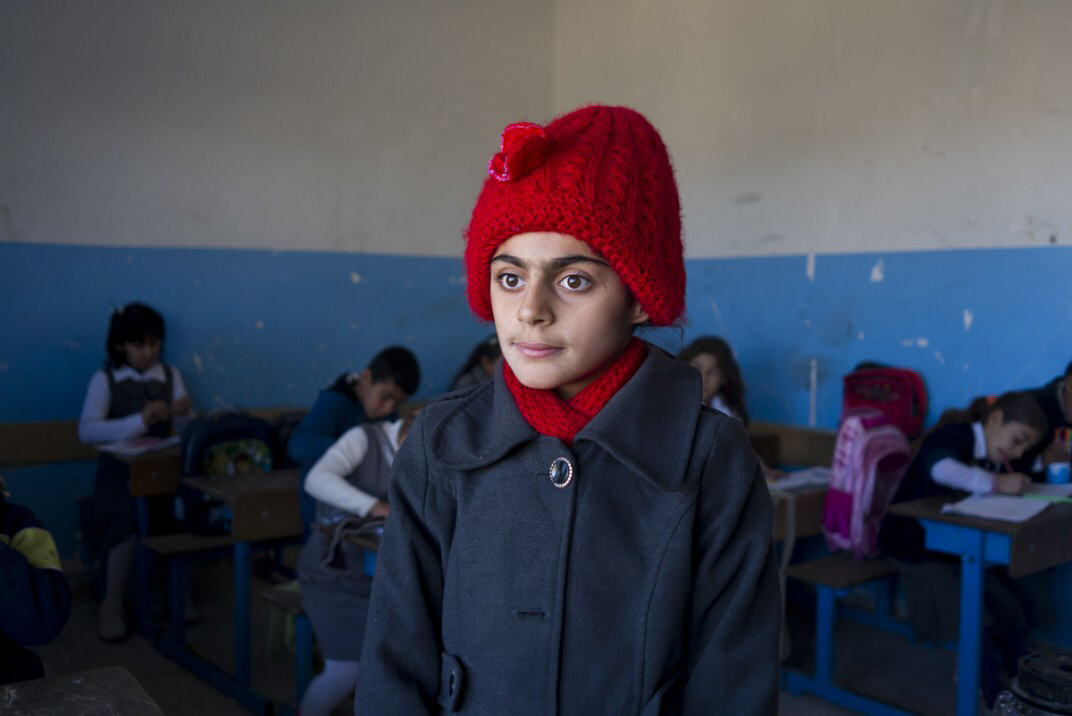
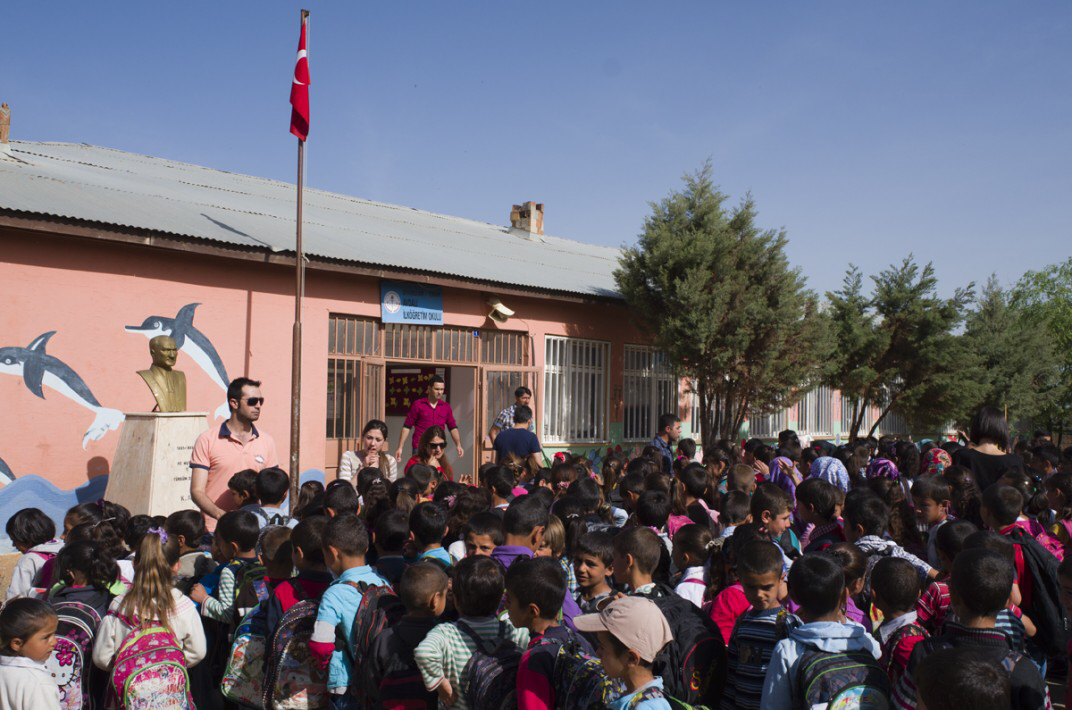
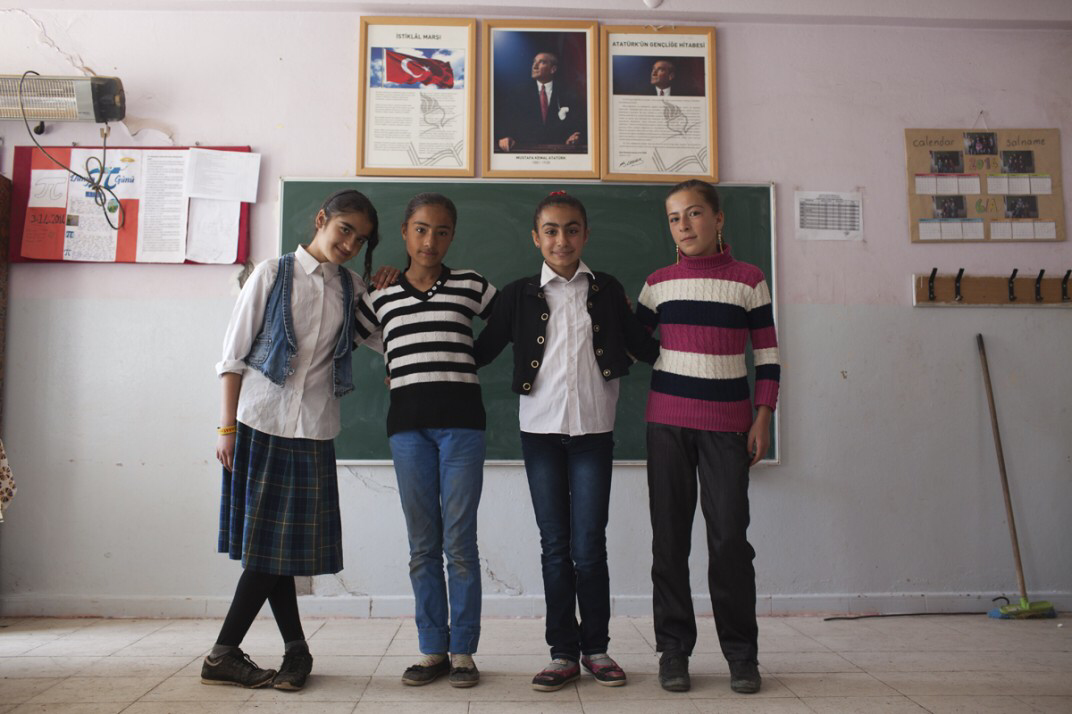
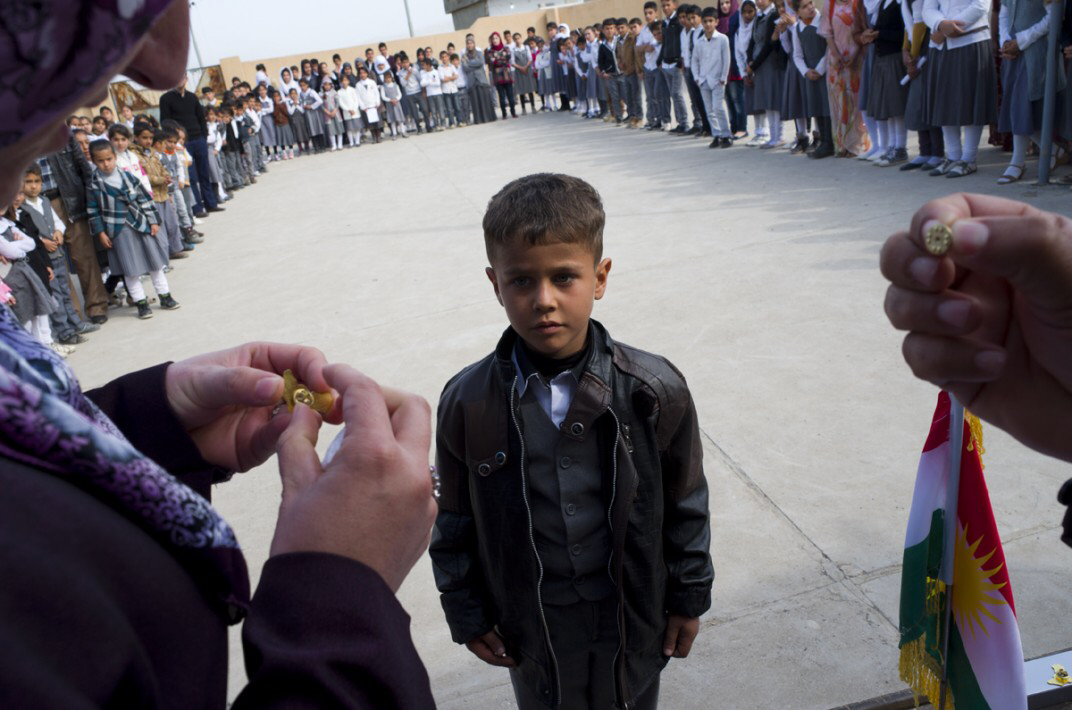
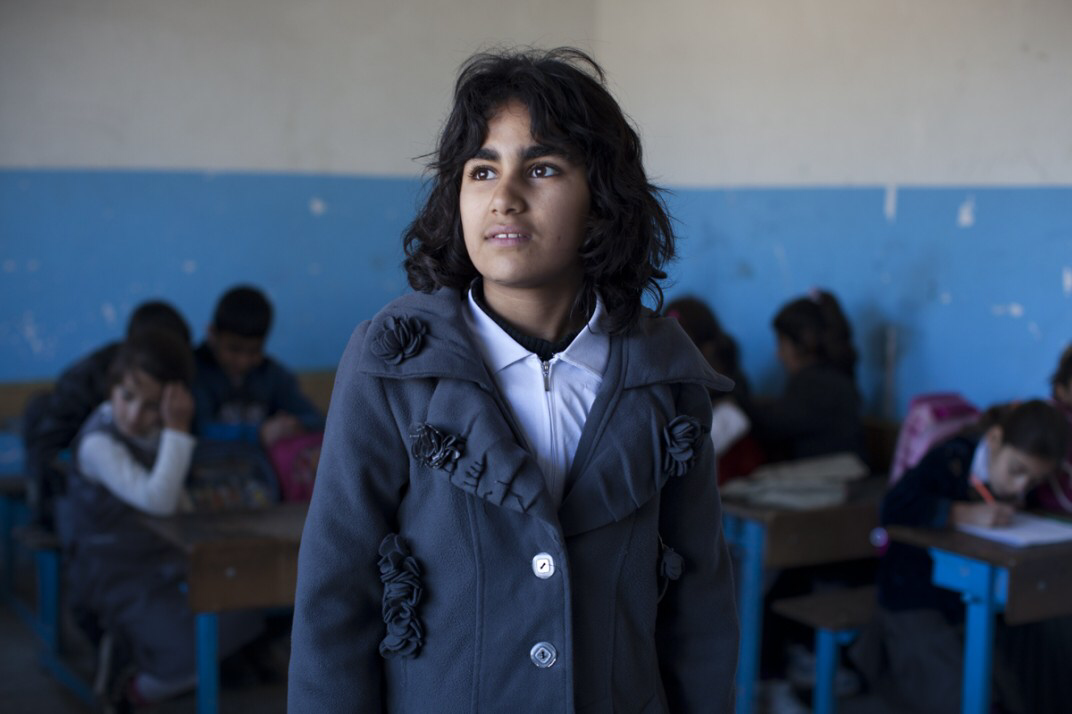
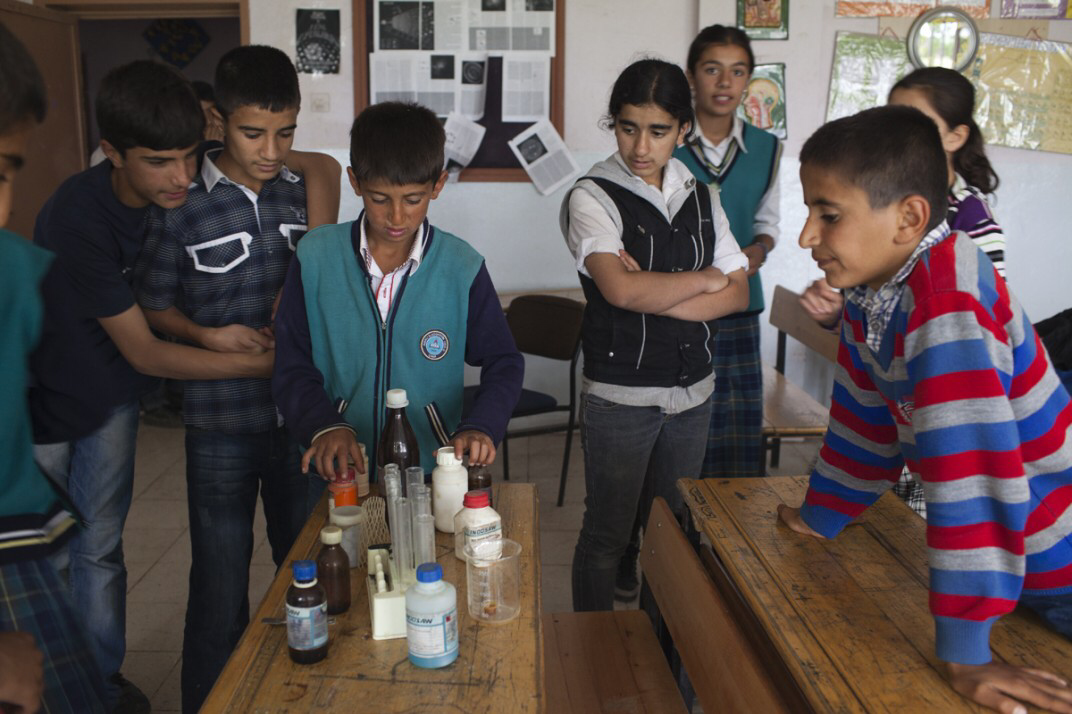
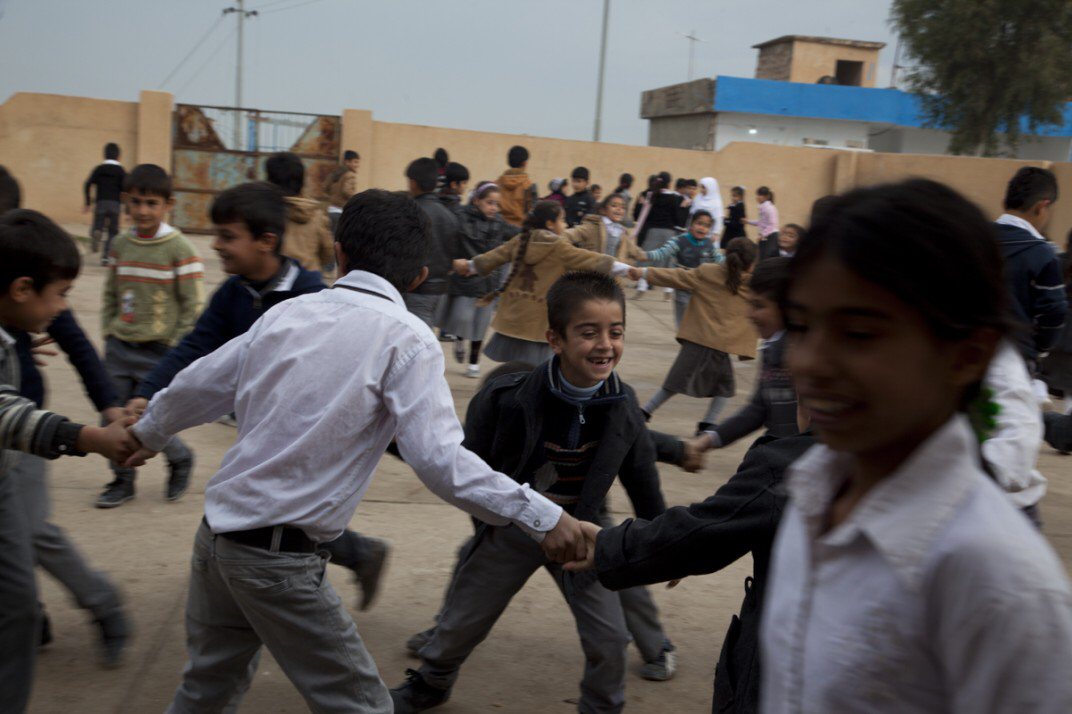
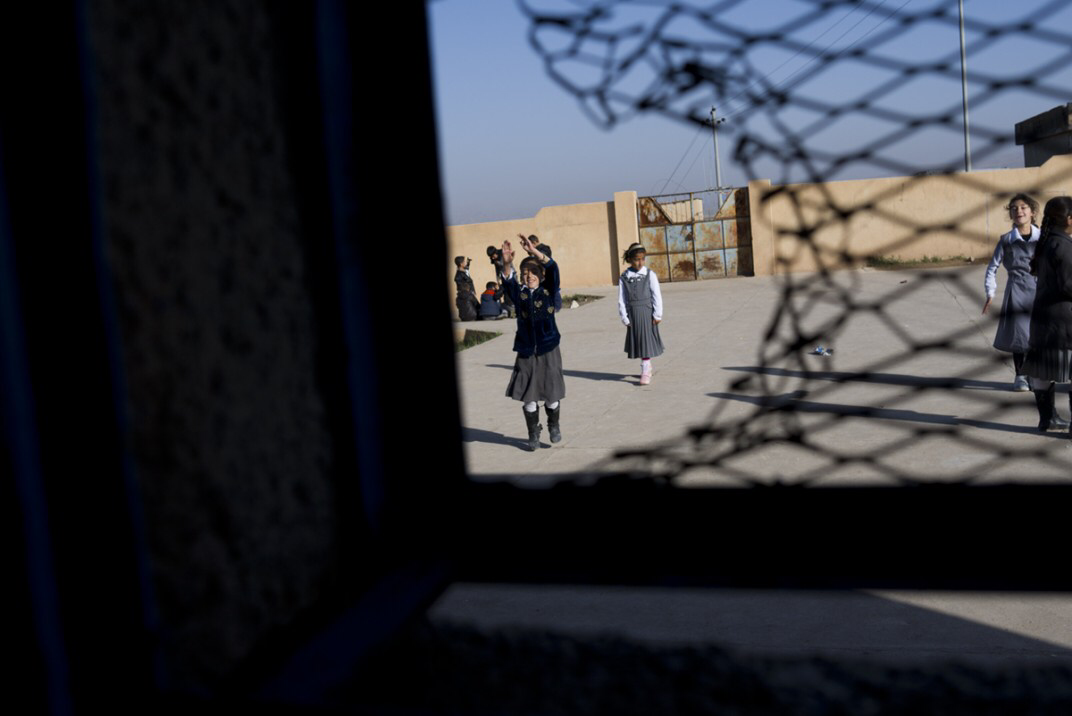
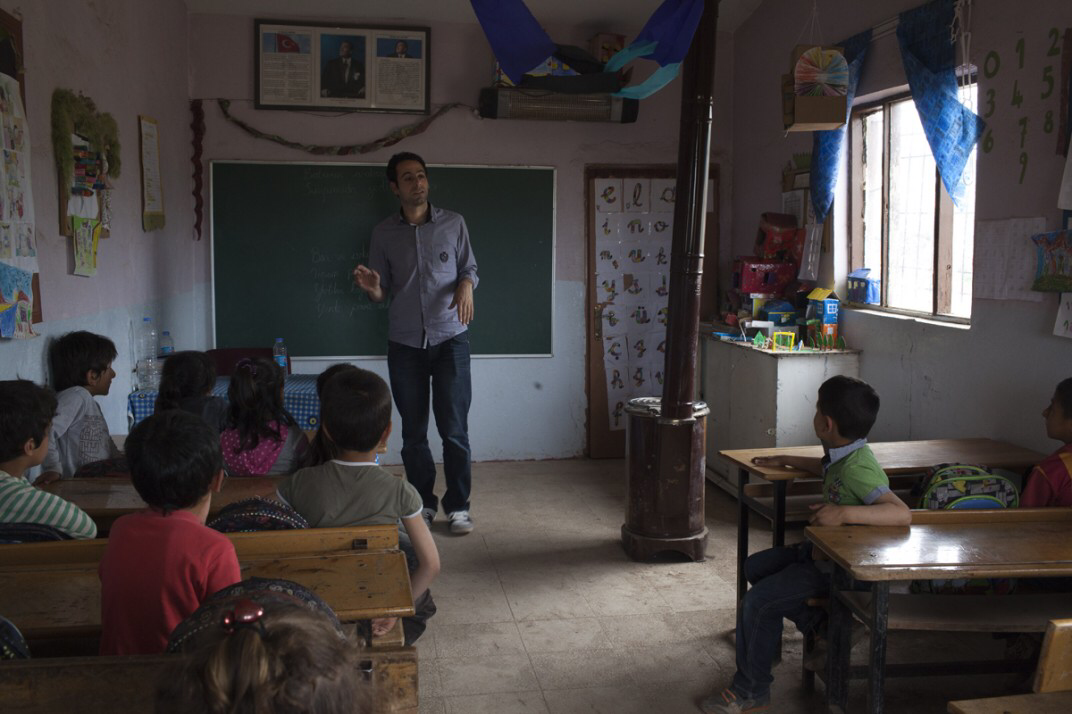
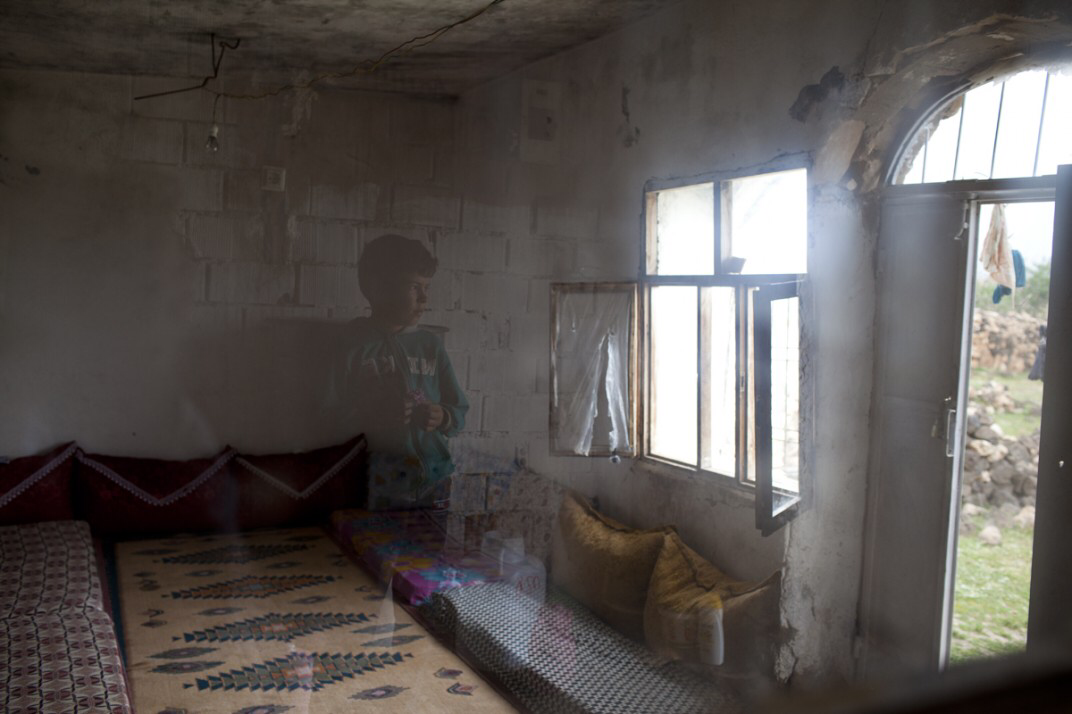
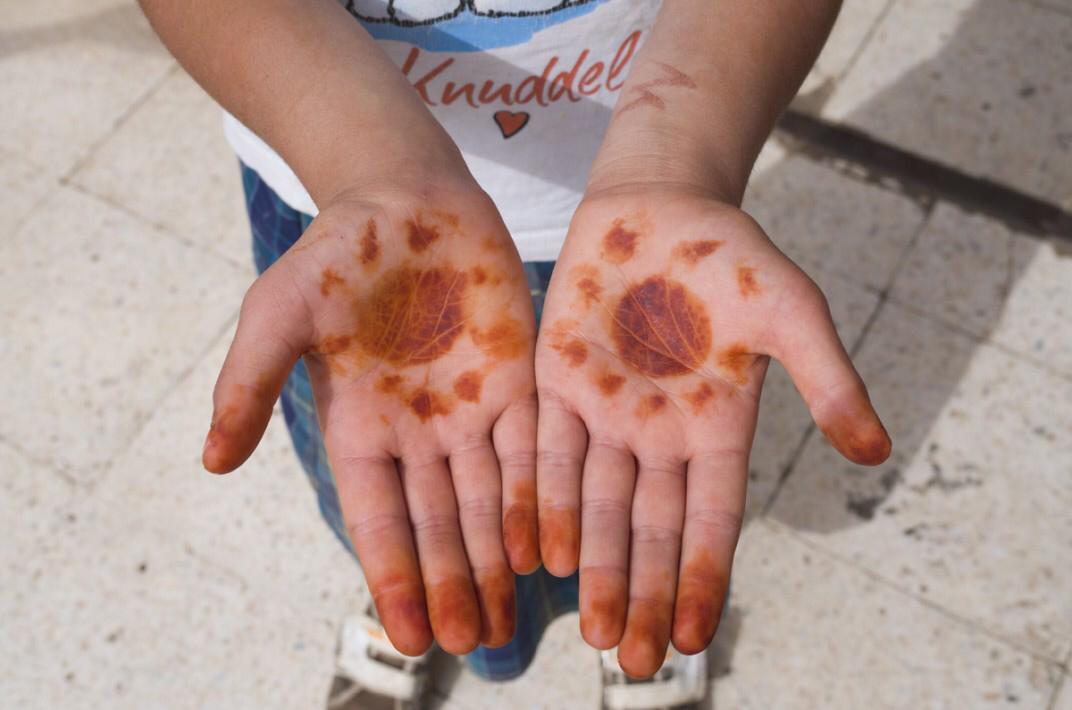
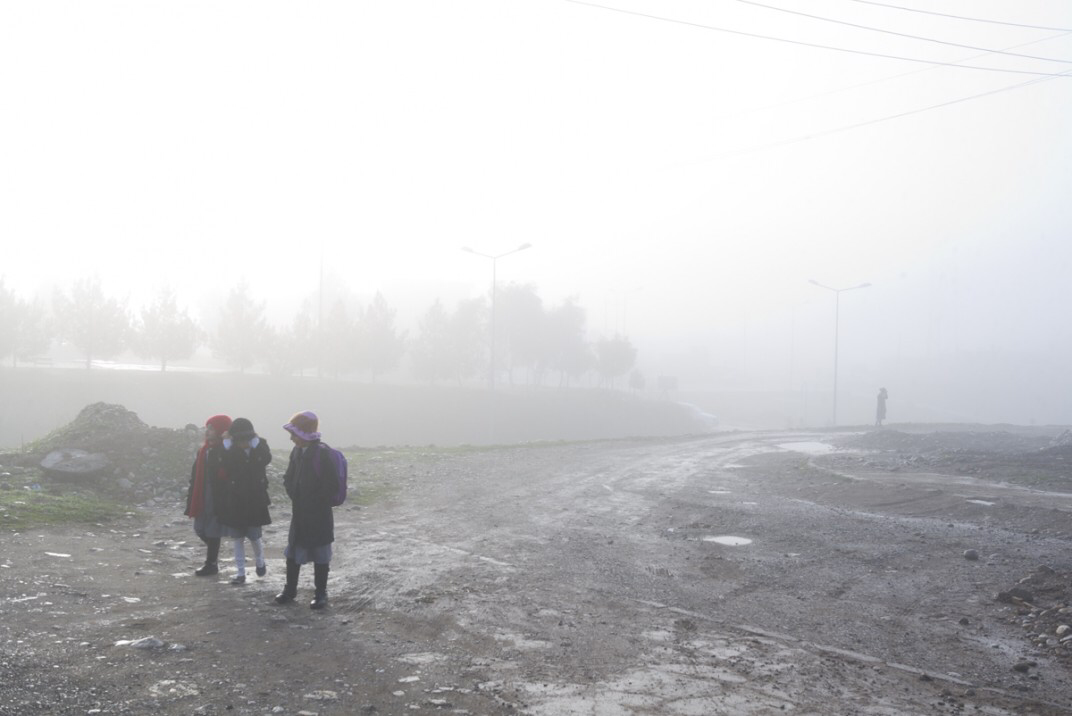
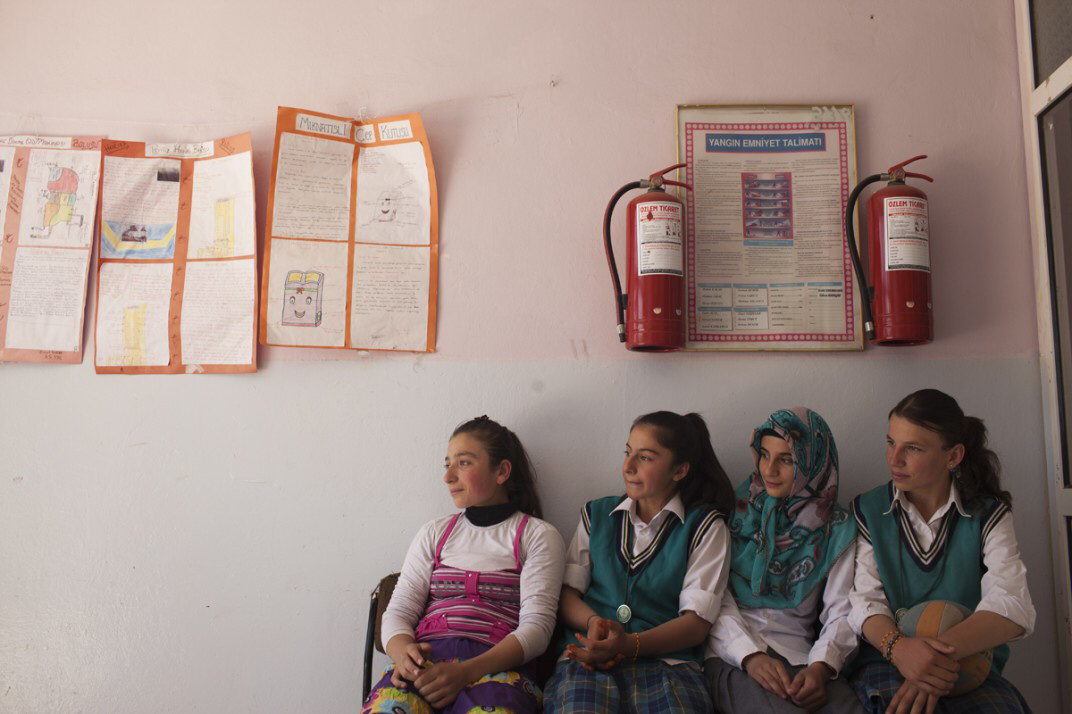
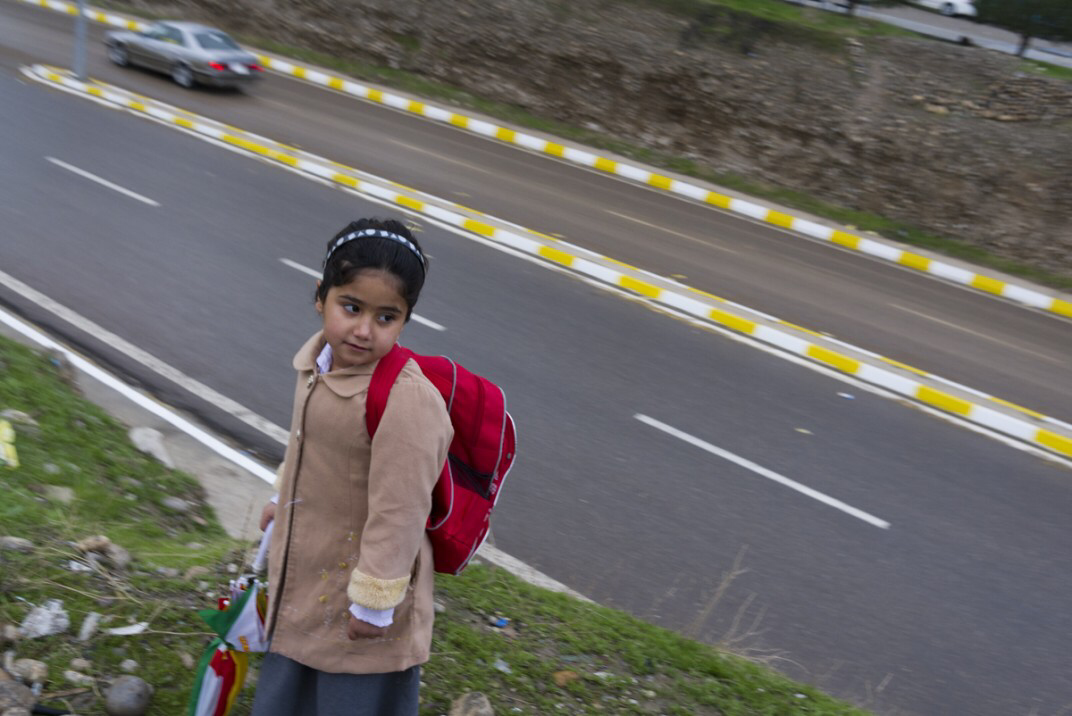
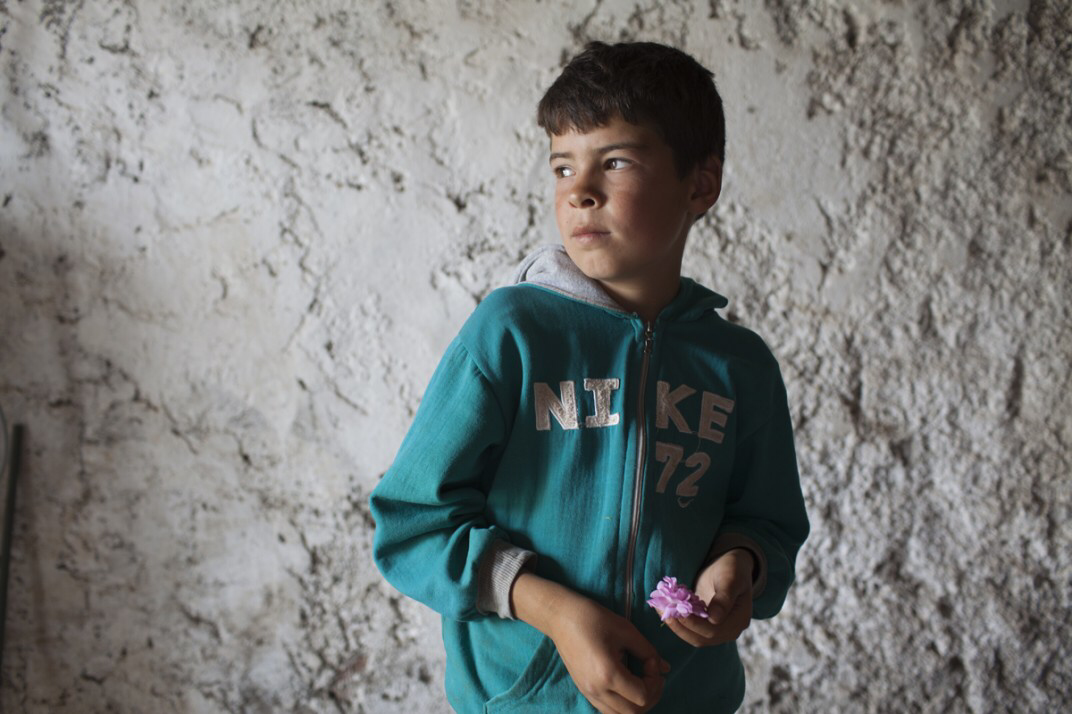
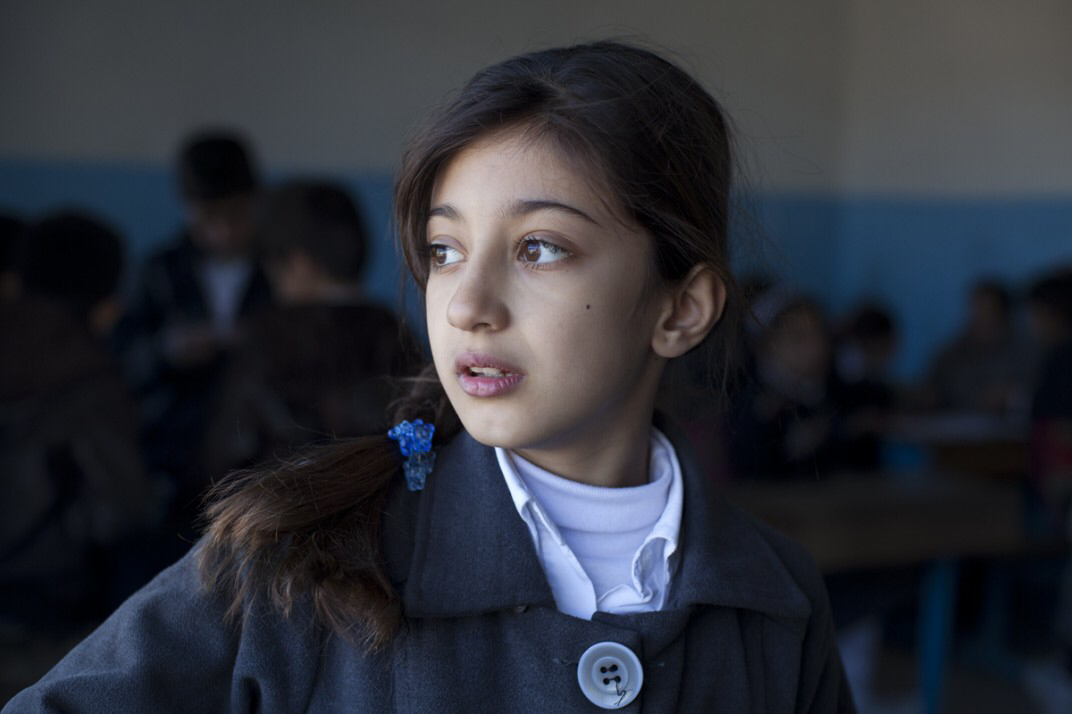
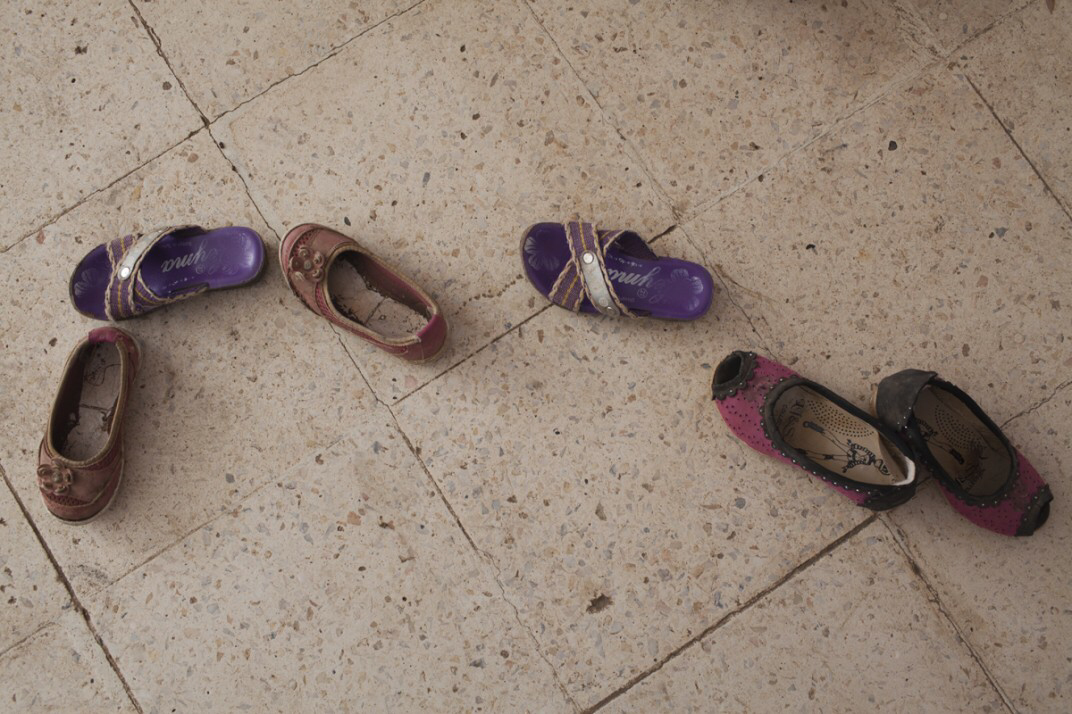
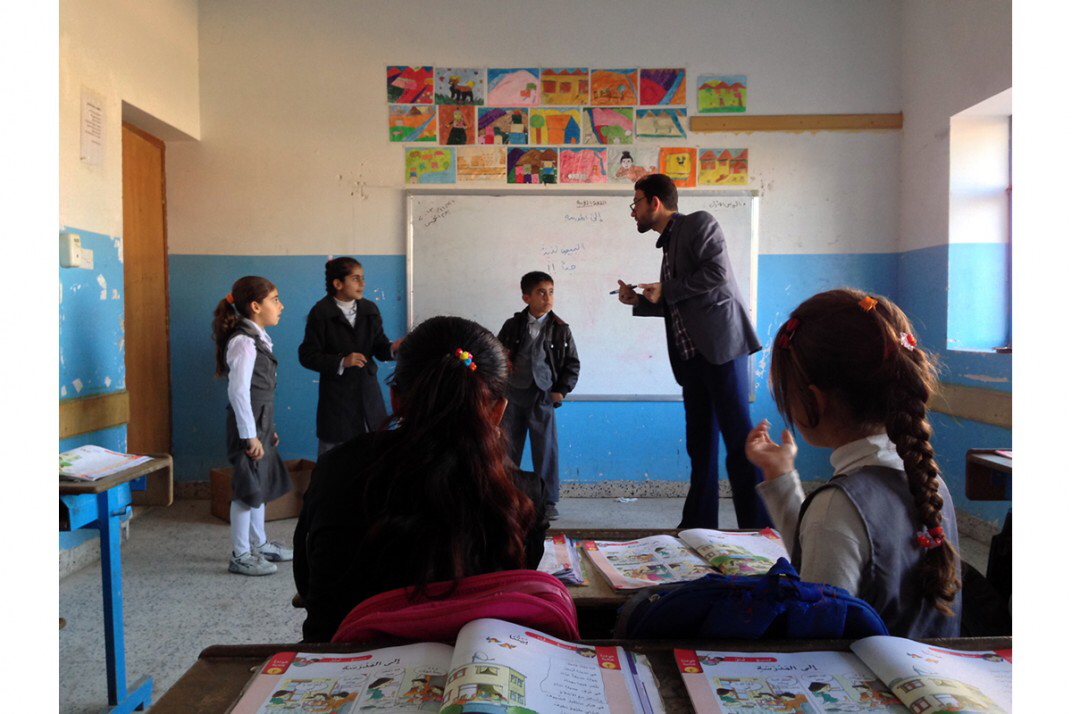
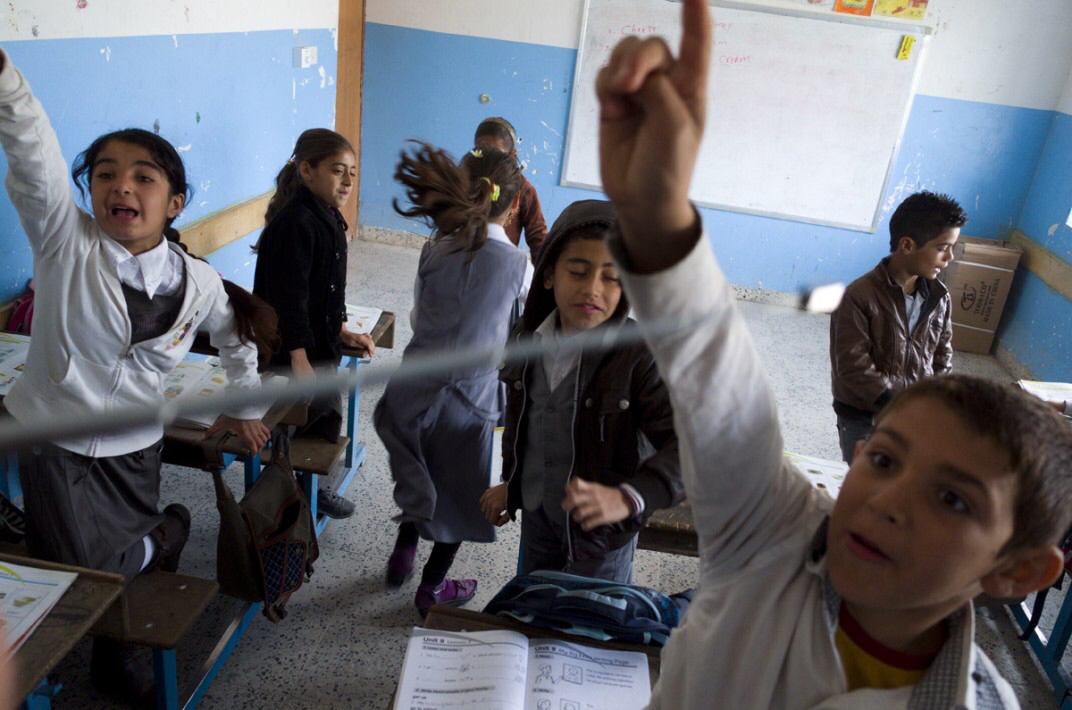
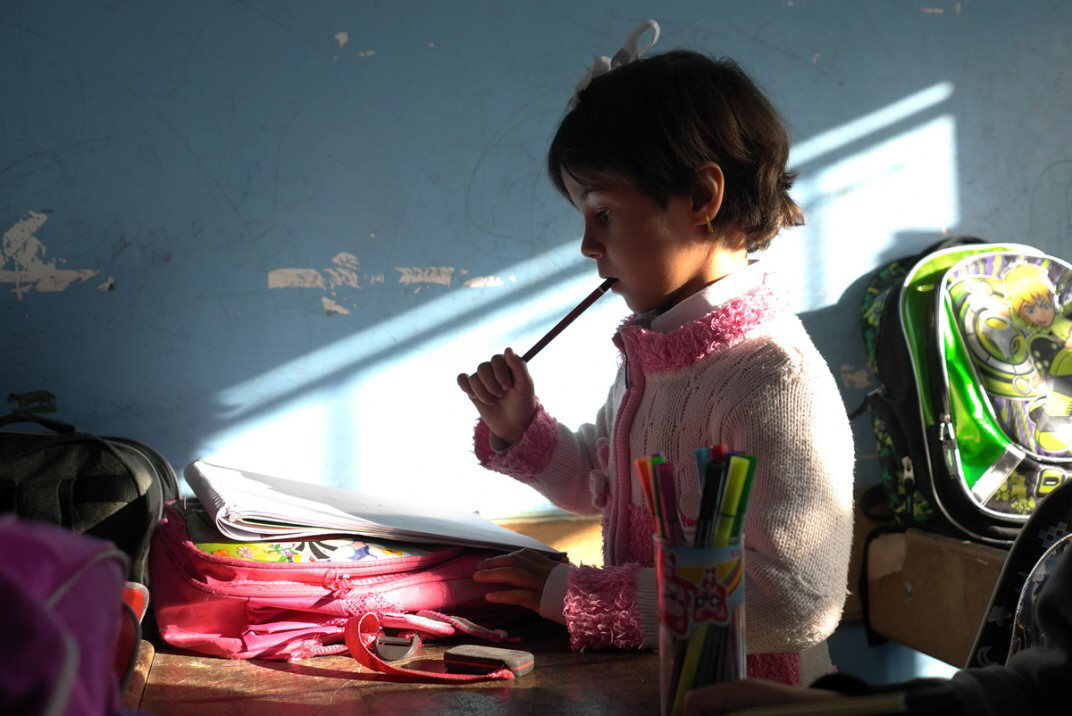
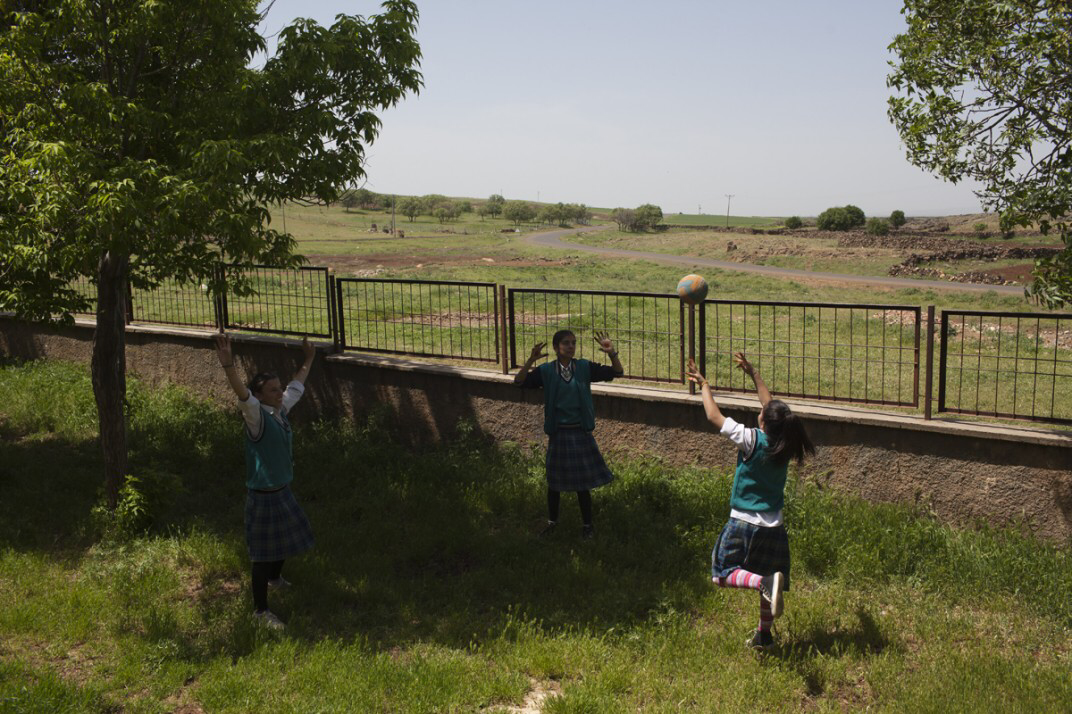
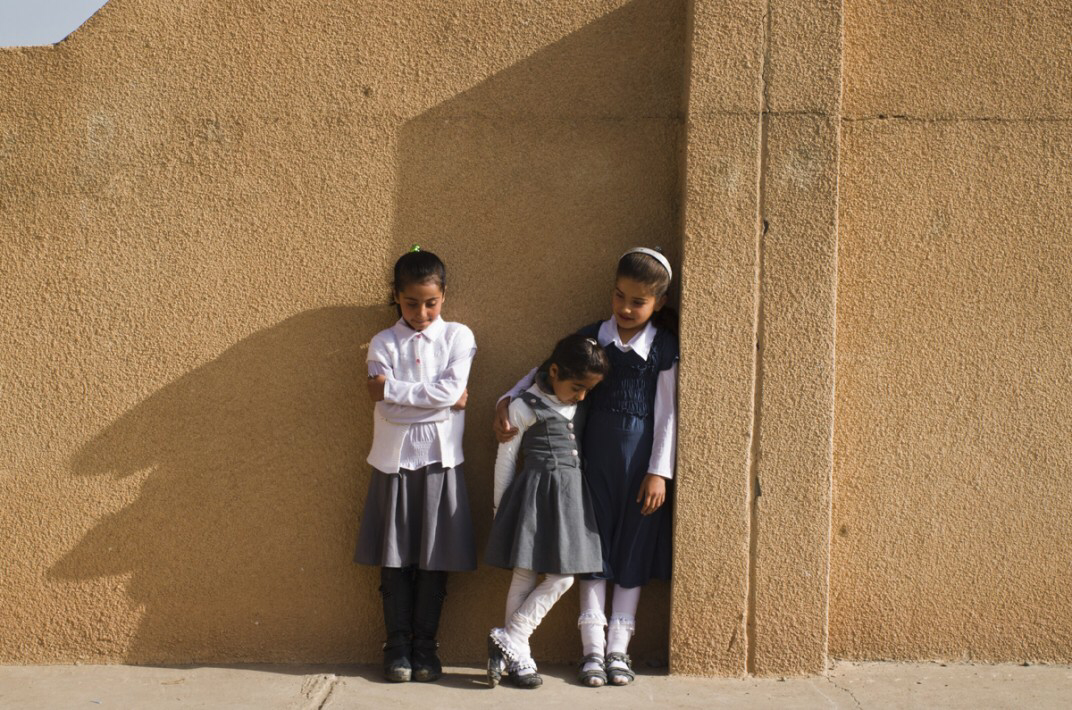
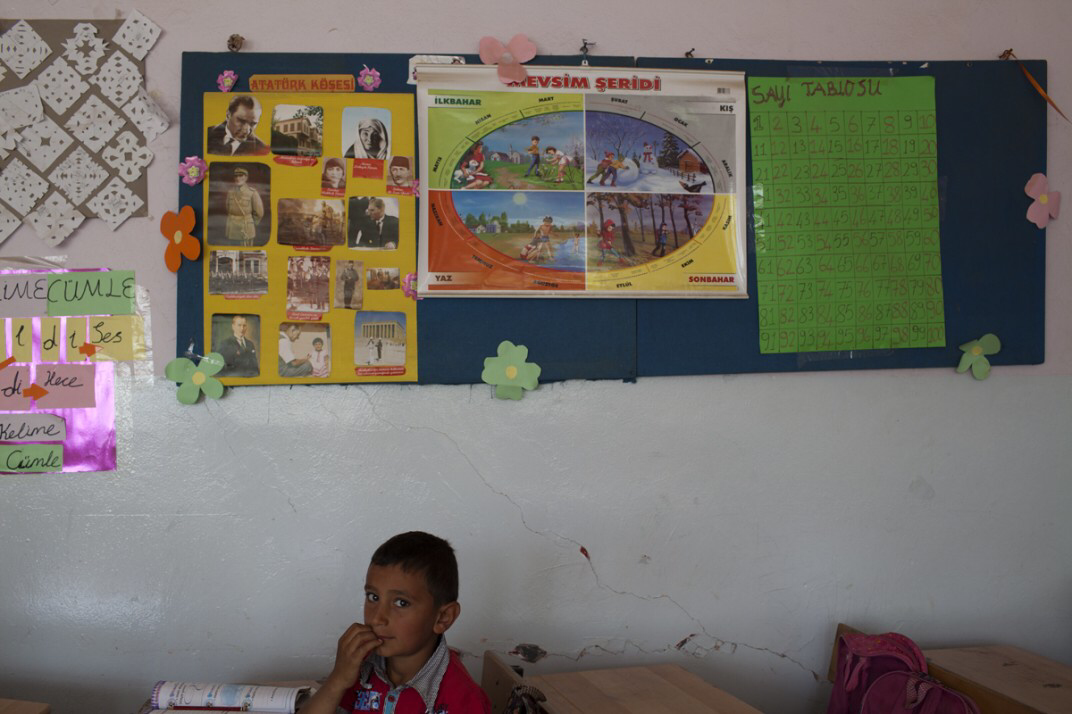
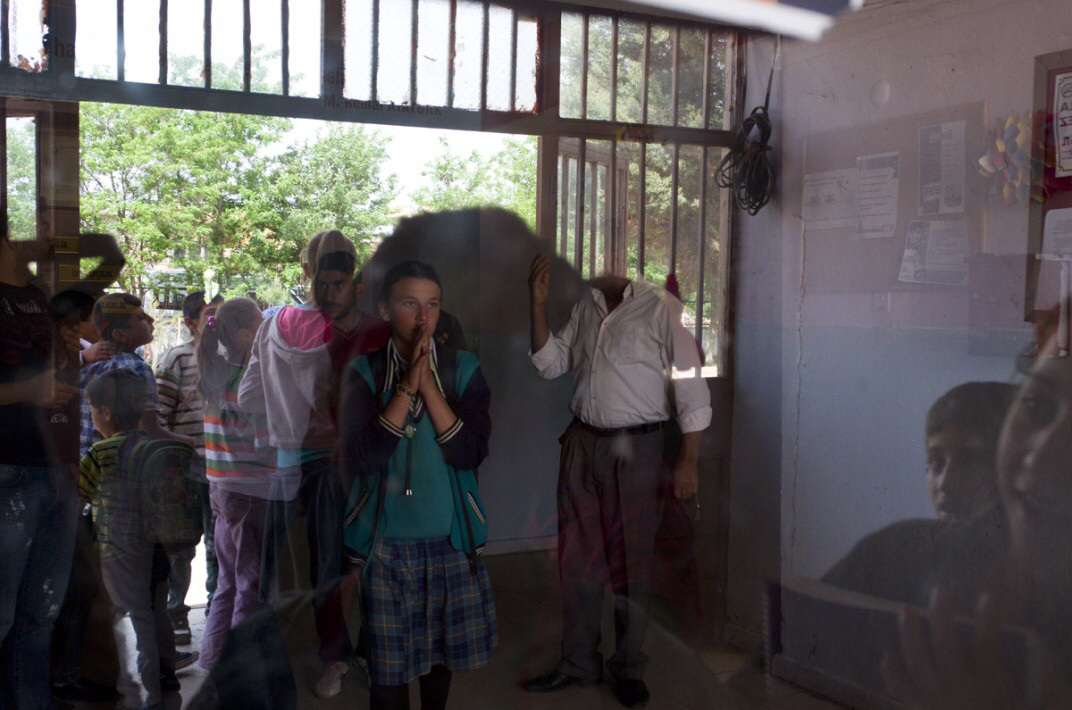
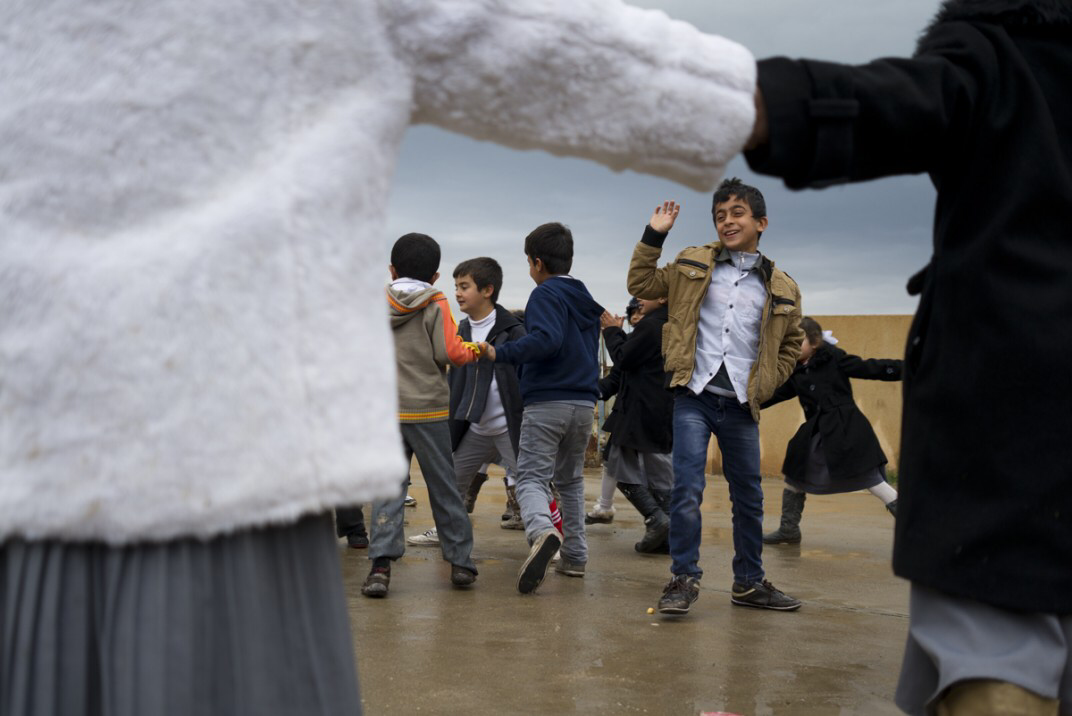
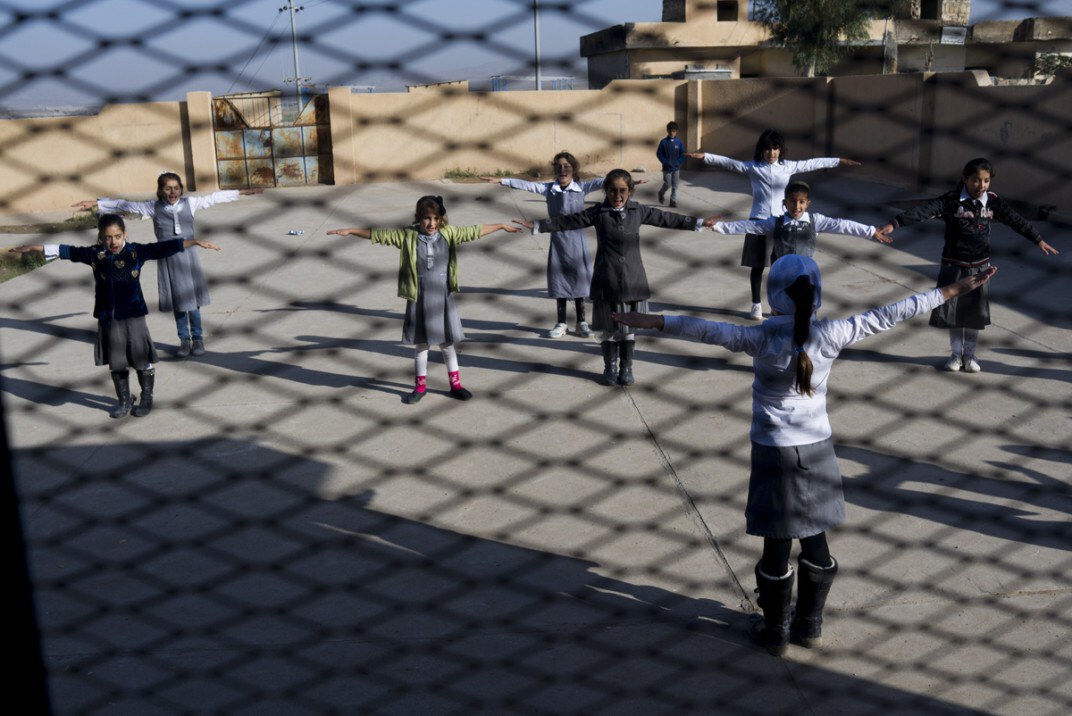
Suppressed across the region for over a century, the Kurdish language remains central to questions of identity and survival examining the challenges of rebuilding Kurdish-language education in post-1991 Iraq alongside the ongoing struggle for official recognition in Turkey.
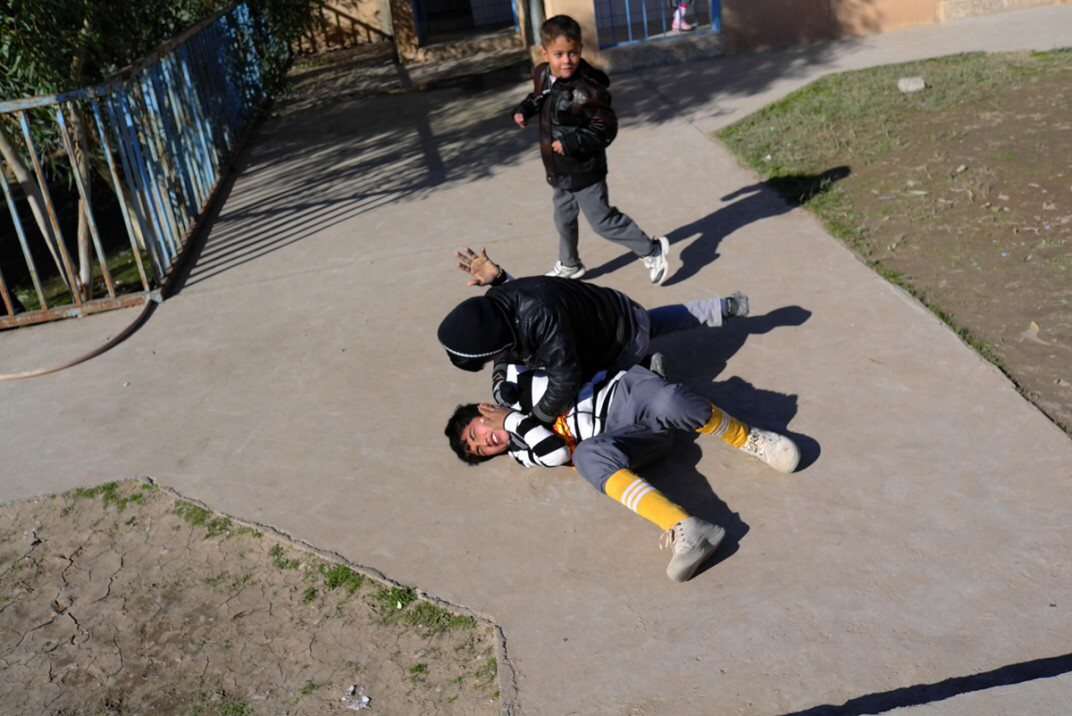
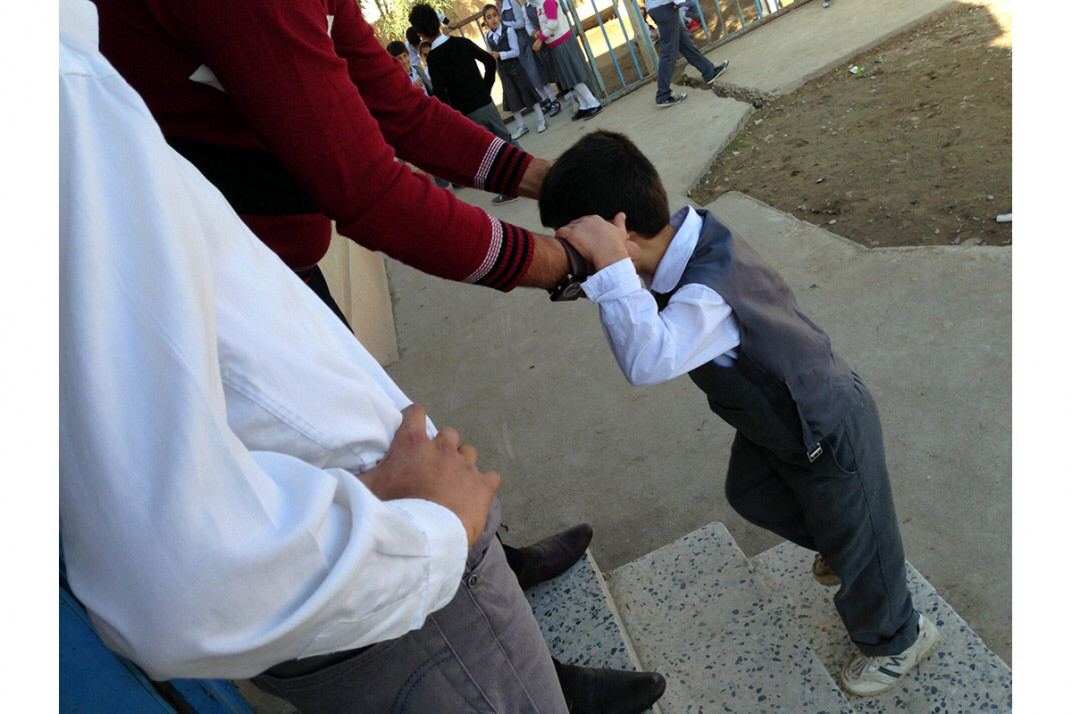
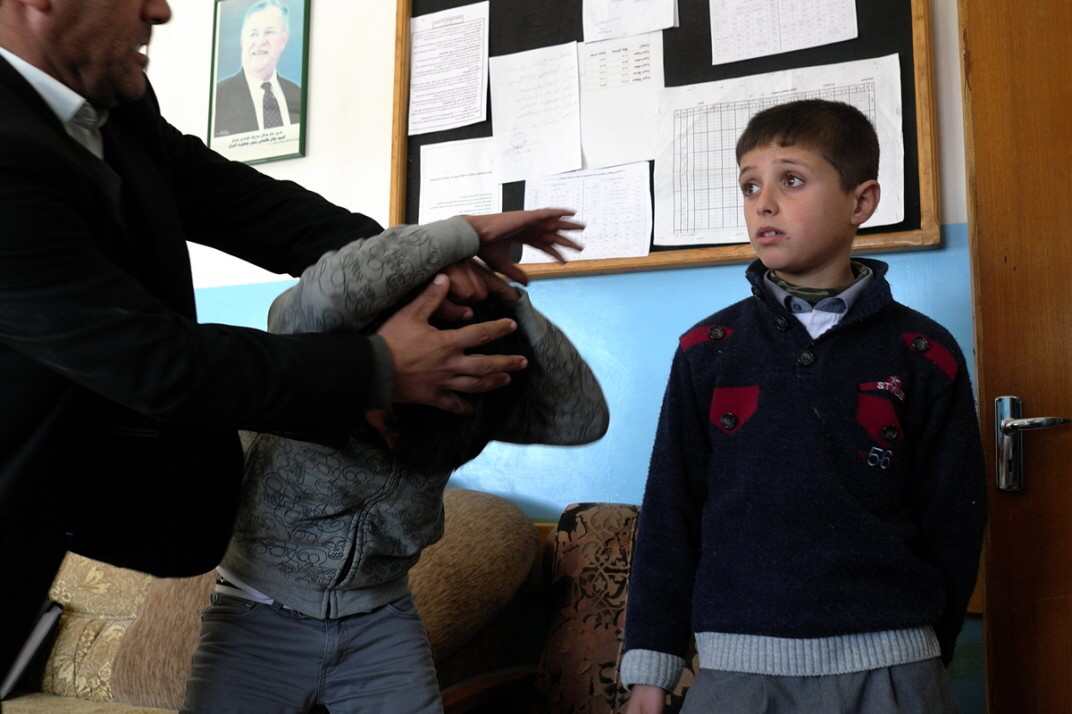
Across the past century, successive regimes have sought to suppress the Kurdish language. In Iraq during the 1970s, the government forcibly displaced Kurds to predominantly Arab regions in the south of the country. Following the 1991 uprising and the establishment of the UN-backed no-fly zone, however, they were able to return and begin rebuilding their local infrastructure, economy, and educational system. For the first time in decades, Iraqi Kurds could study in their mother tongue as the curriculum transitioned from Arabic to Kurdish. Yet the adoption of a Swedish-inspired educational model faltered amid severely overcrowded classrooms. With 40 percent of students failing to pass their classes and a dwindling number of teachers, corporal punishment remains widespread inside schools.
Similarly, the Kurdish language has stood at the forefront of the Kurdish rights movement in Turkey. Throughout the 1980s, Kurdish books, newspapers, and even songs were outlawed. Although the Turkish government has eased some of these restrictions in recent years, Kurdish remains unrecognized as an official language—meaning public signage and state education are still conducted exclusively in Turkish, as Turkey’s Kurds continue to struggle for full legal and educational rights in their mother tongue.