SHERAVAN AND BLIVE
Documented amid the battles against ISIS in northern Syria, this photo story examines the men and women of the Kurdish People’s Protection Units (YPG) and Women’s Protection Units (YPJ) capturing their frontline mobilization, communal discipline, and the human cost of defending Rojava from Kobanî to Sinjar.
SHERAVAN AND BLIVE


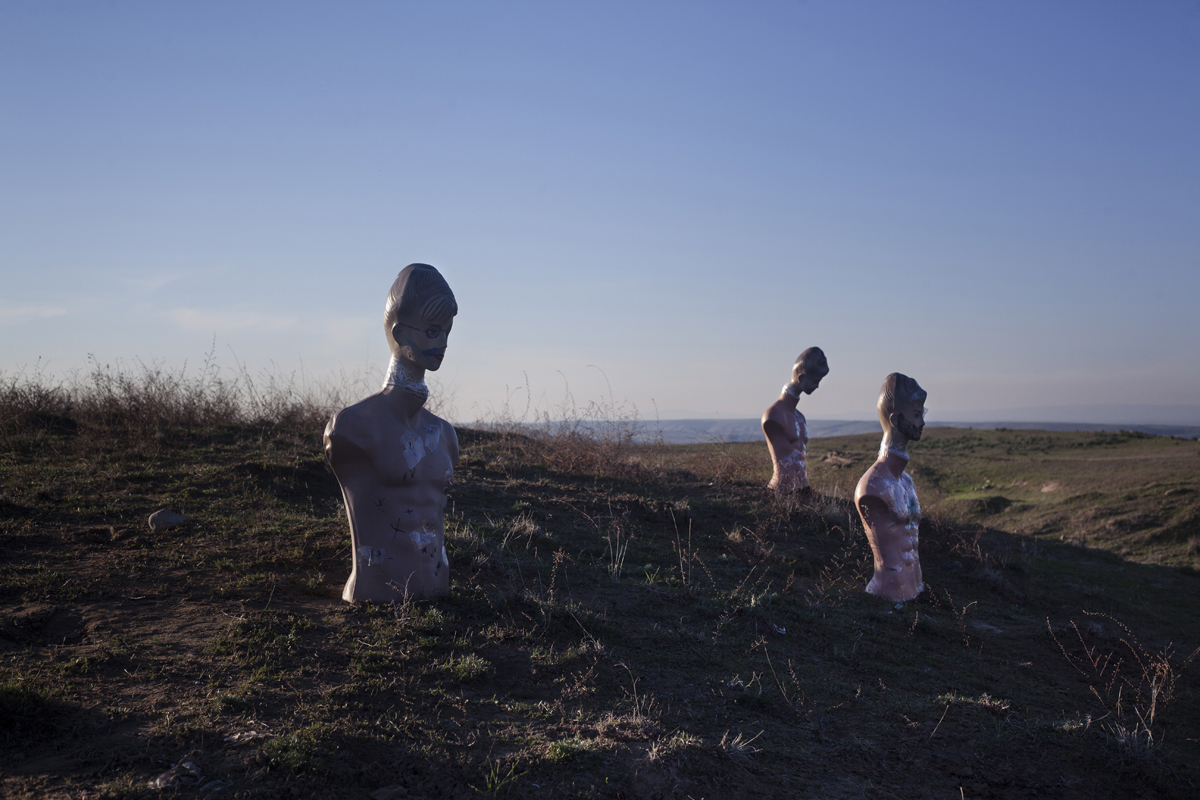
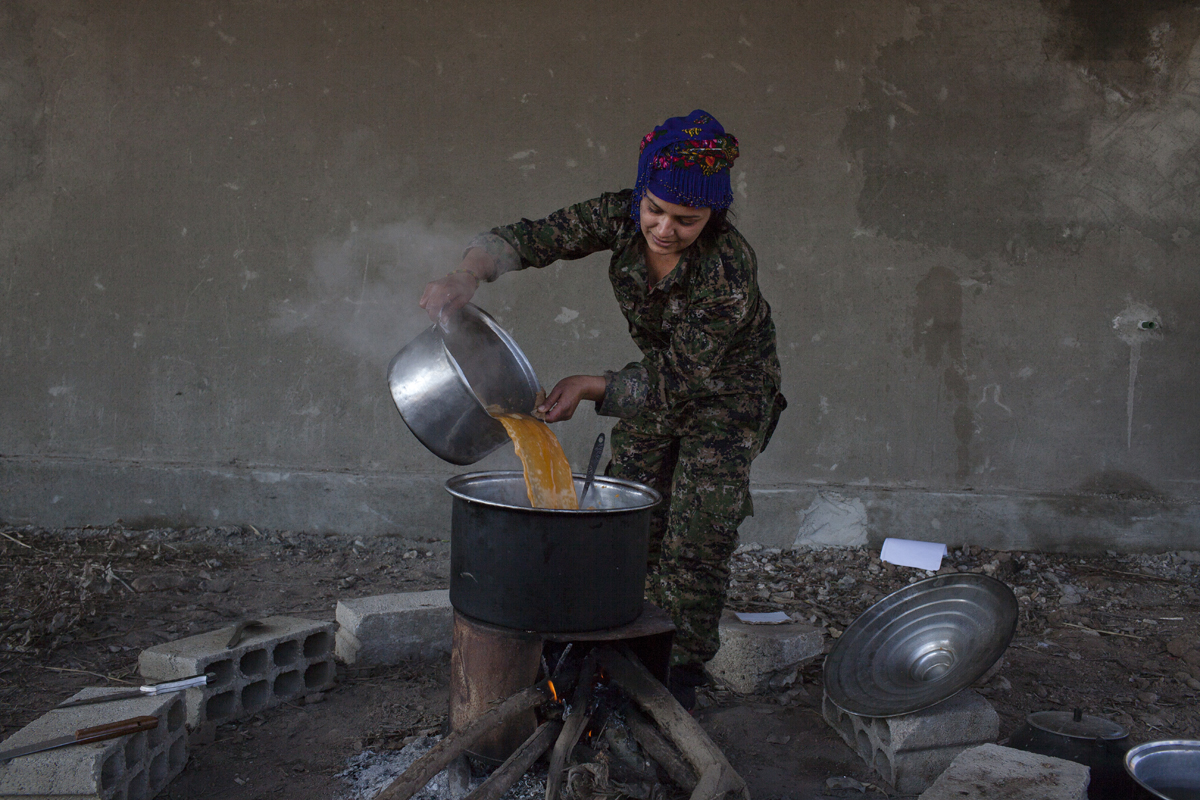
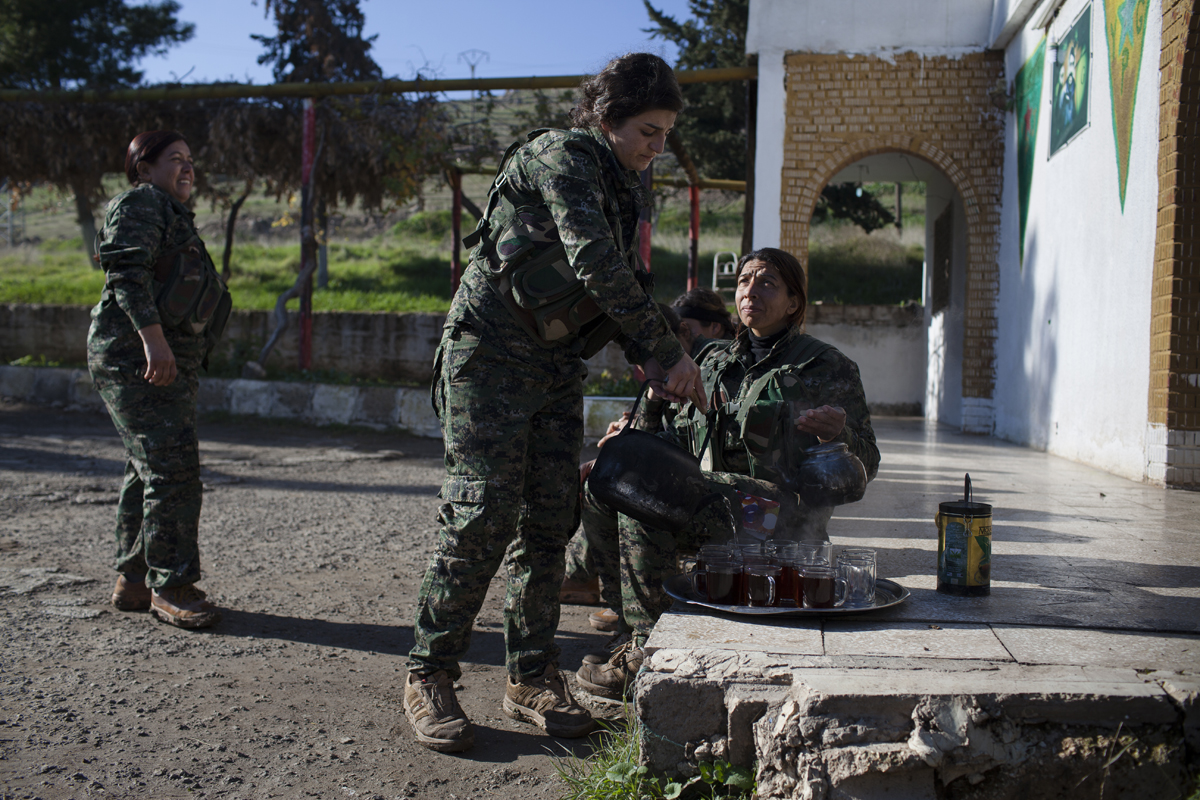
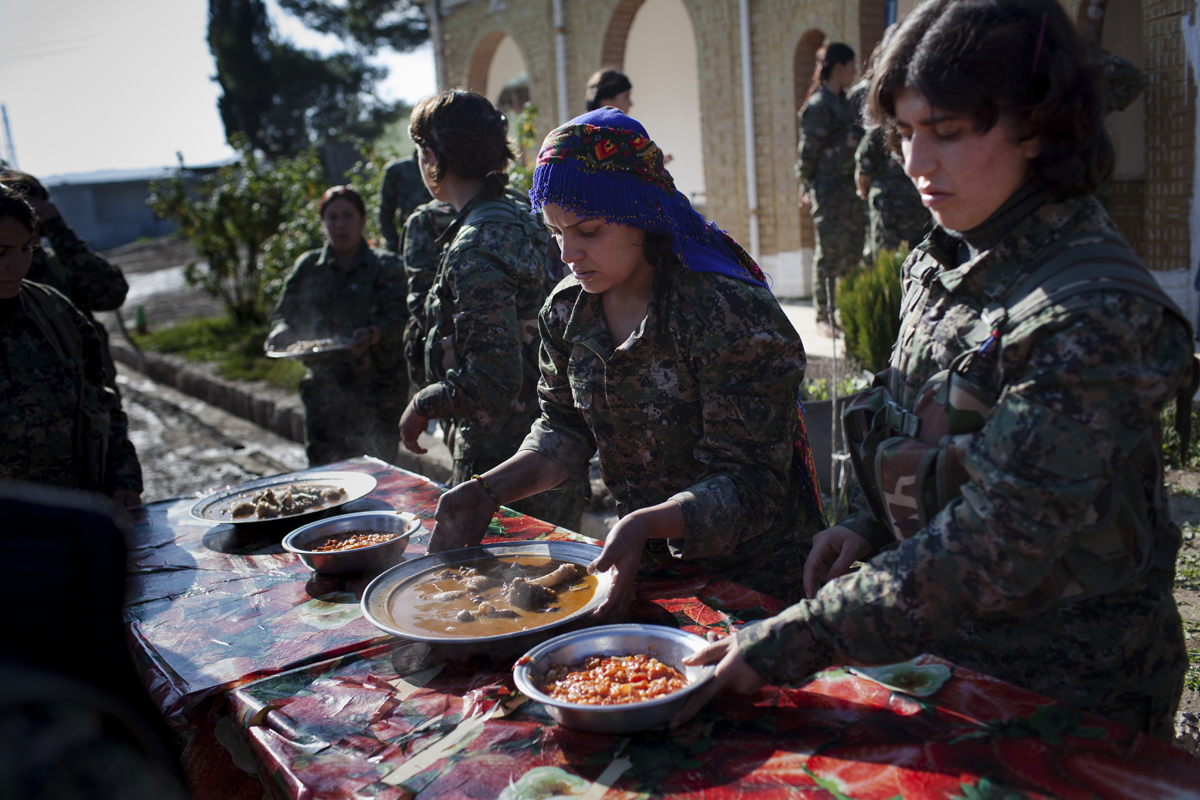
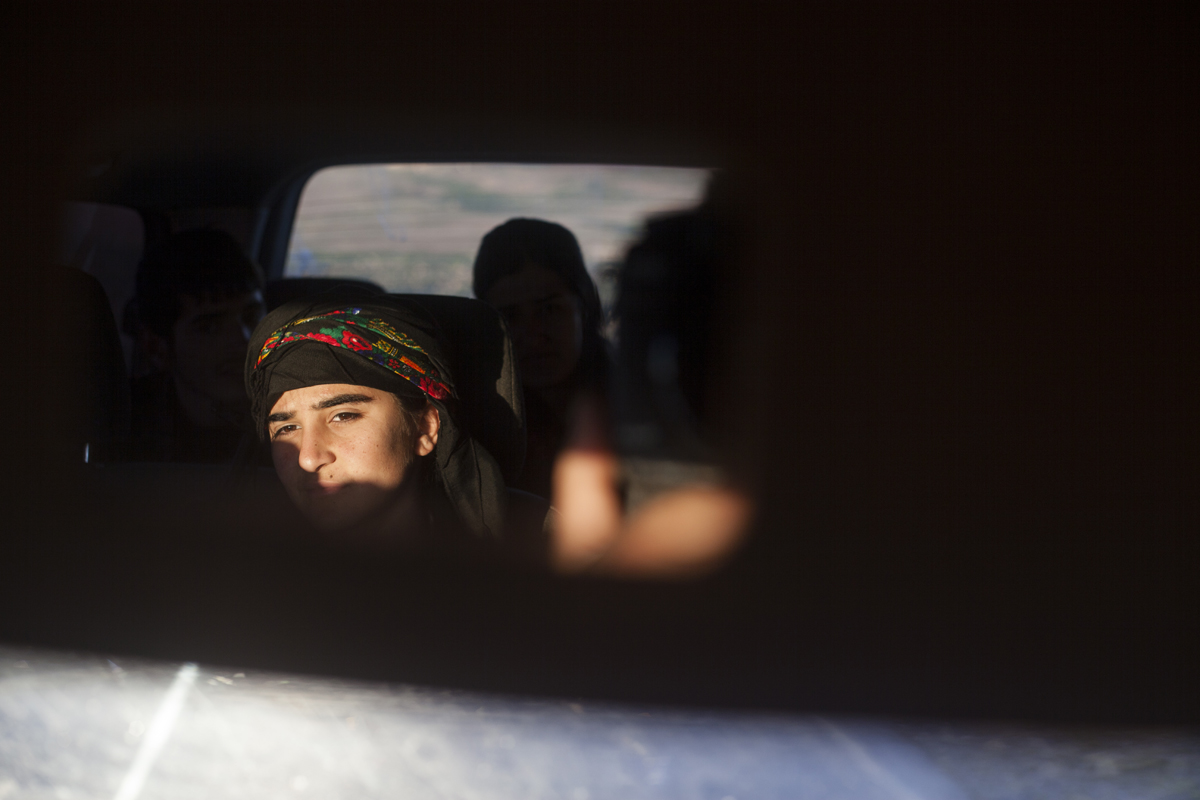
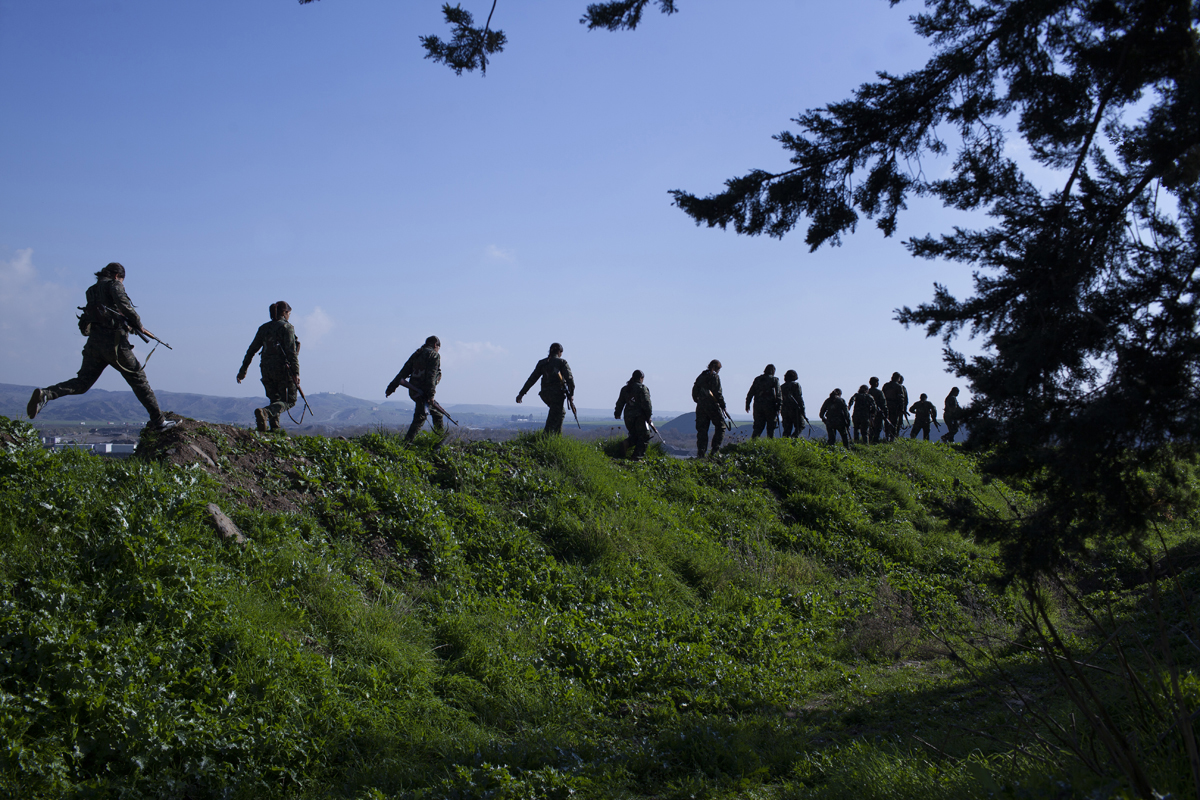
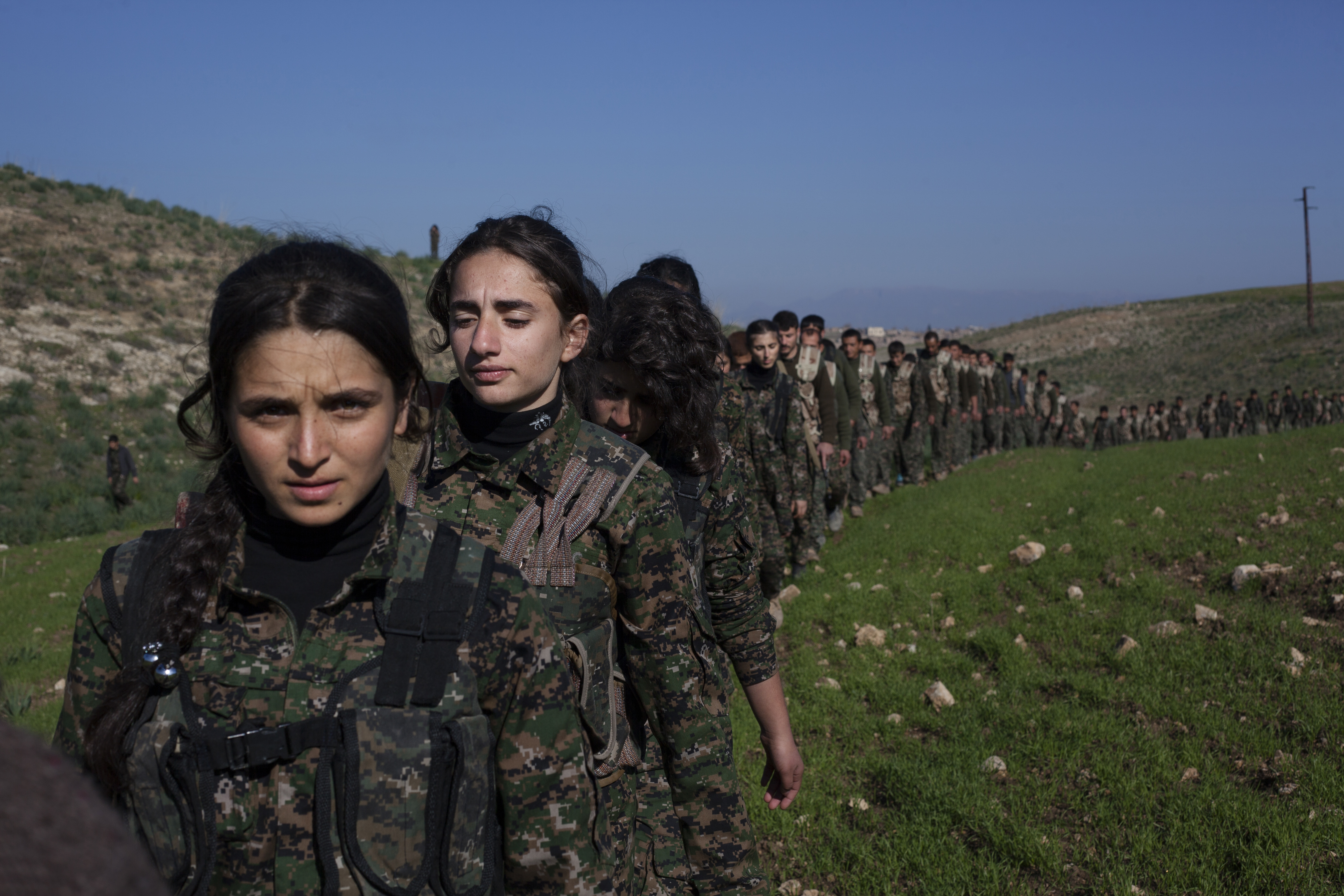
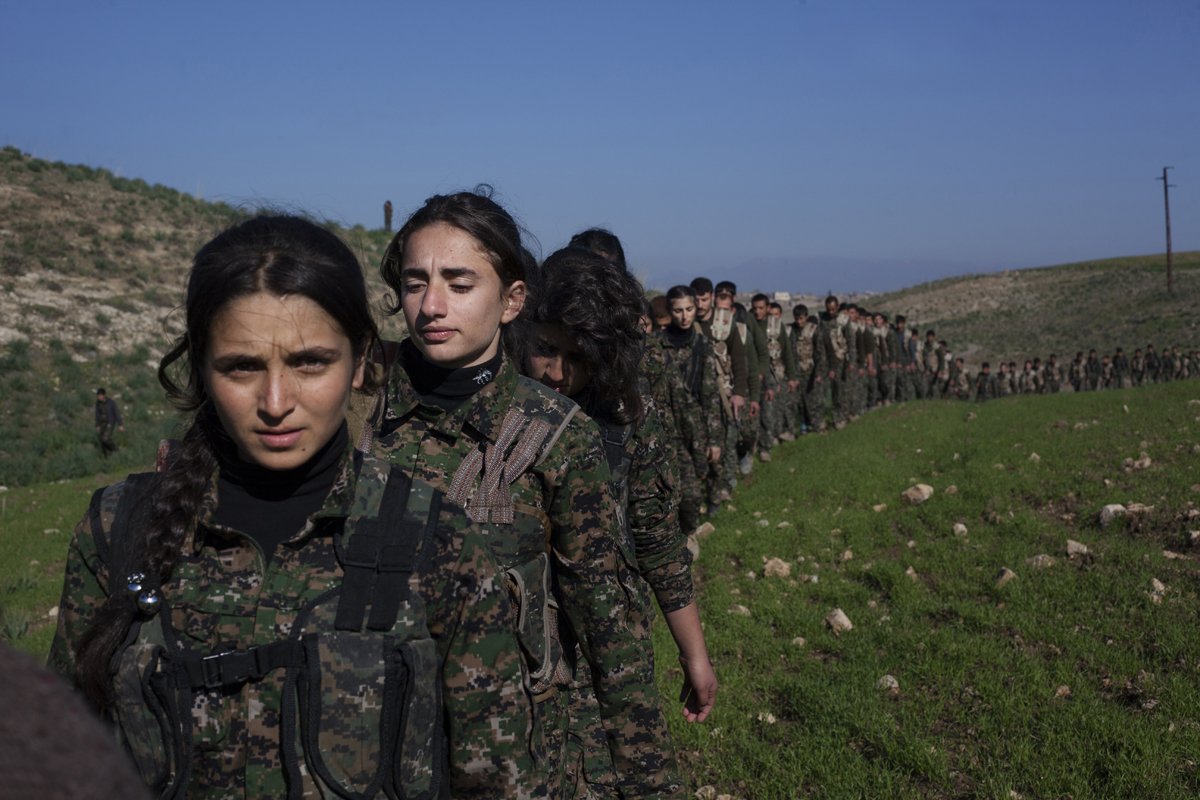
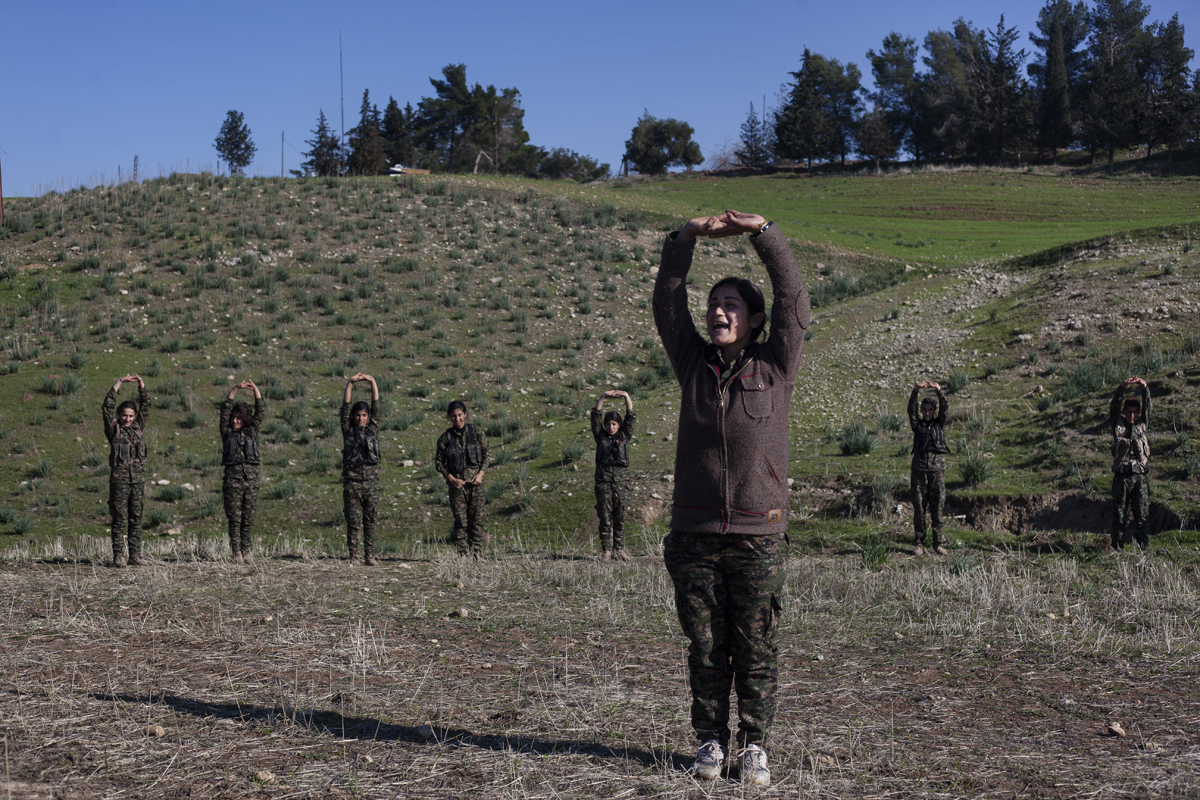
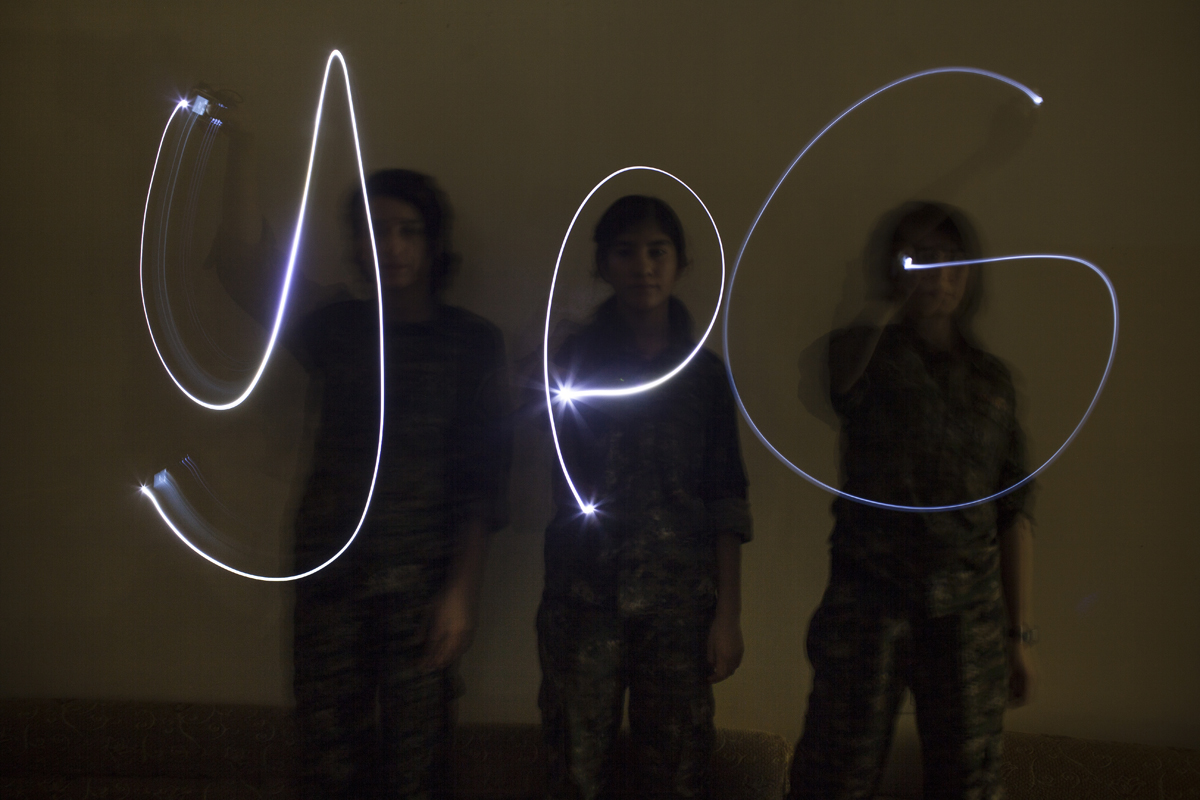
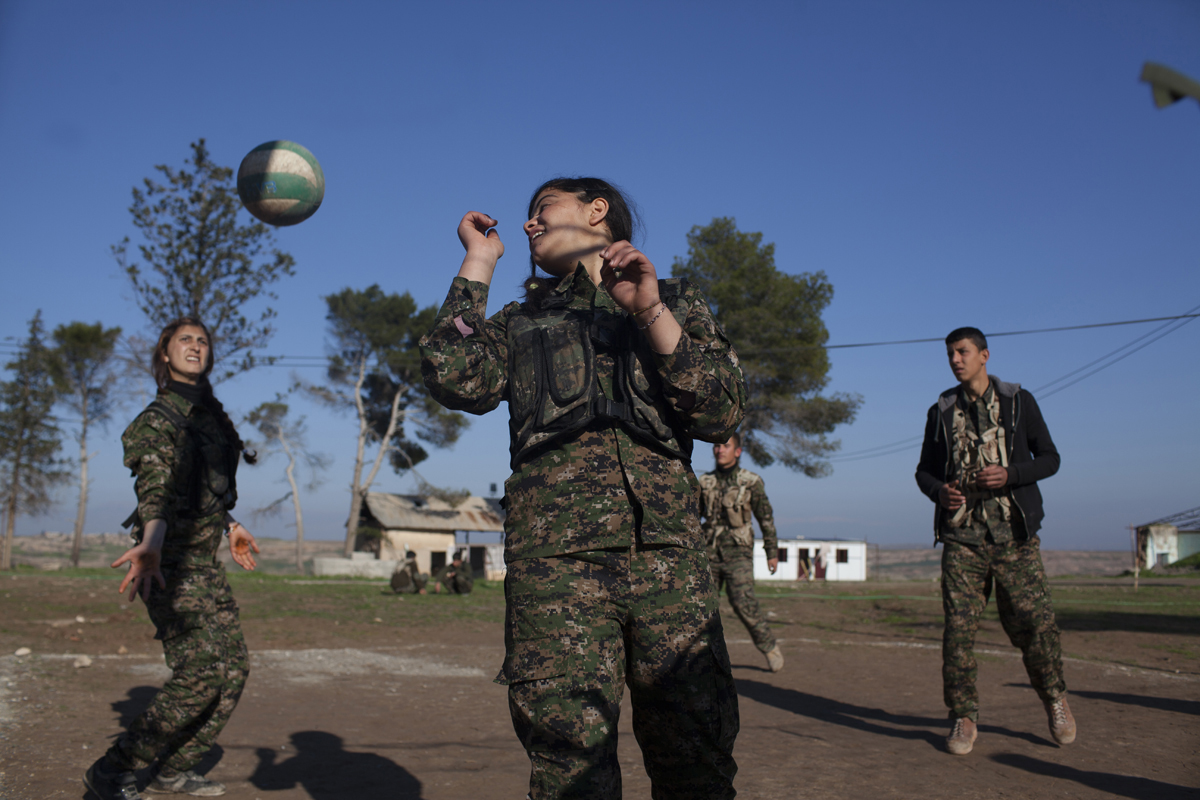
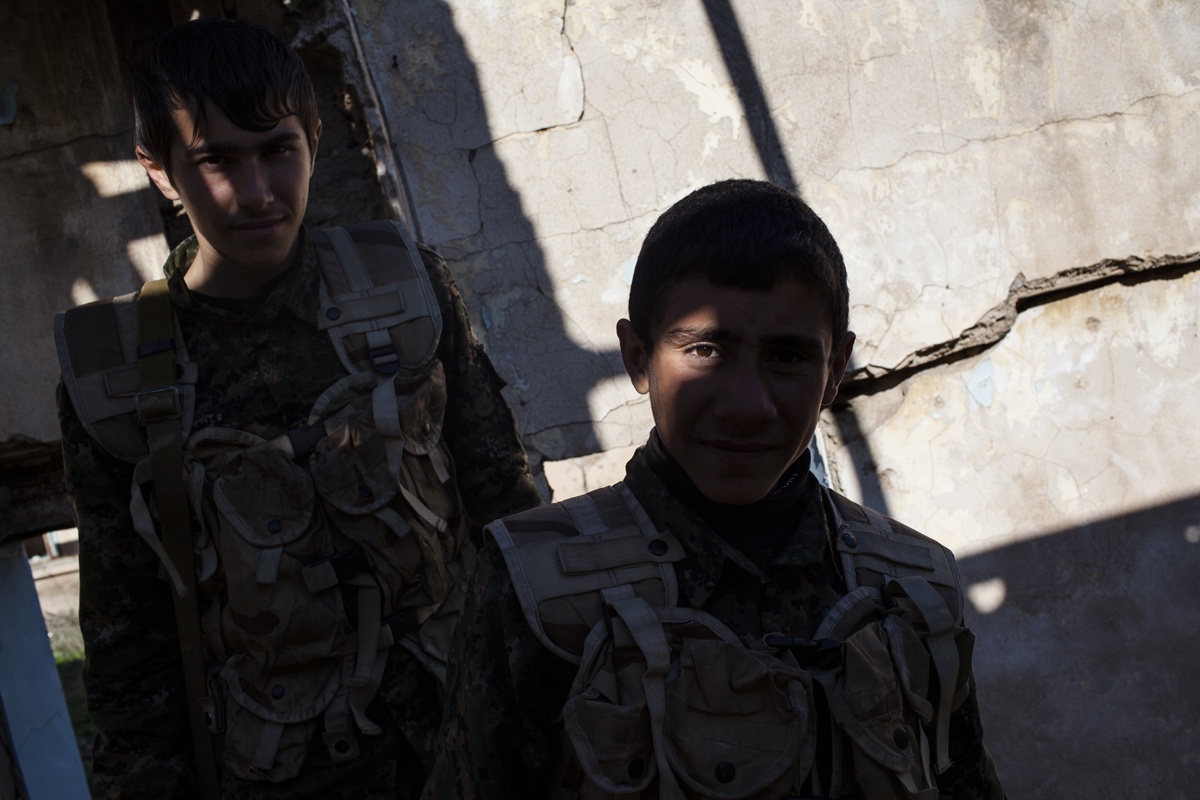
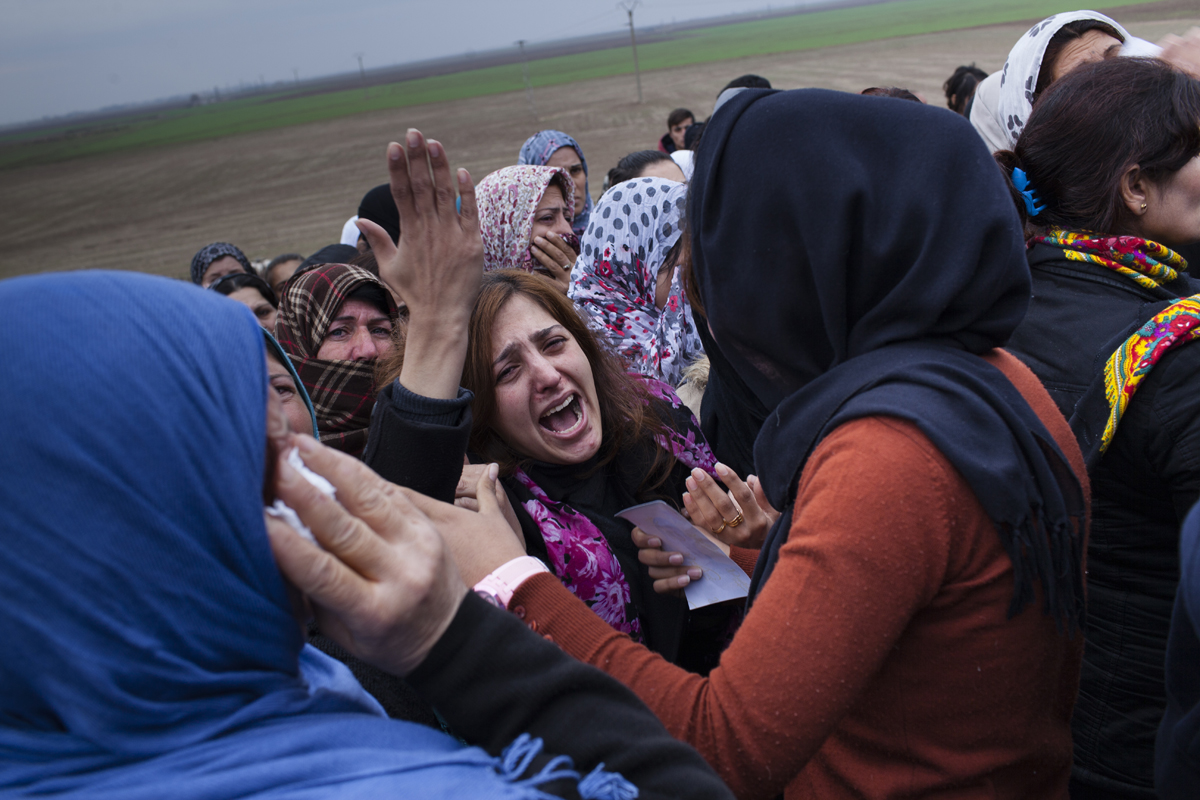
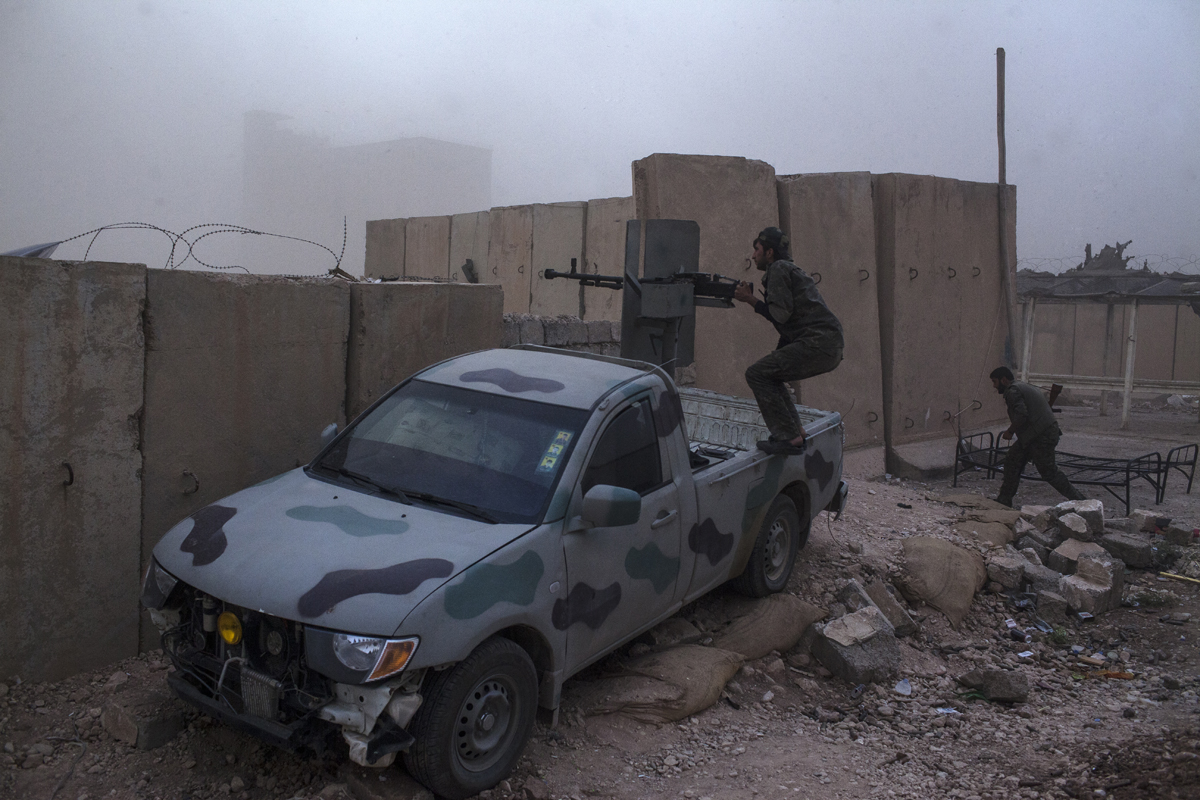
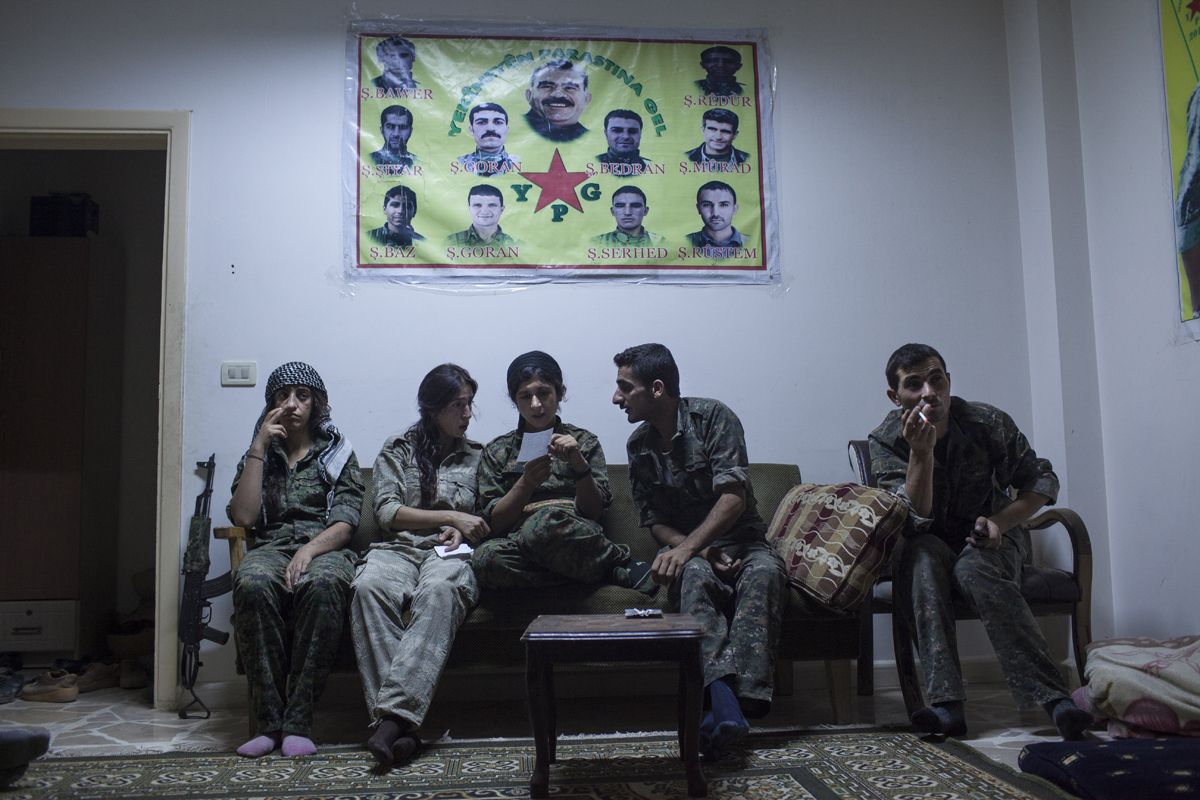
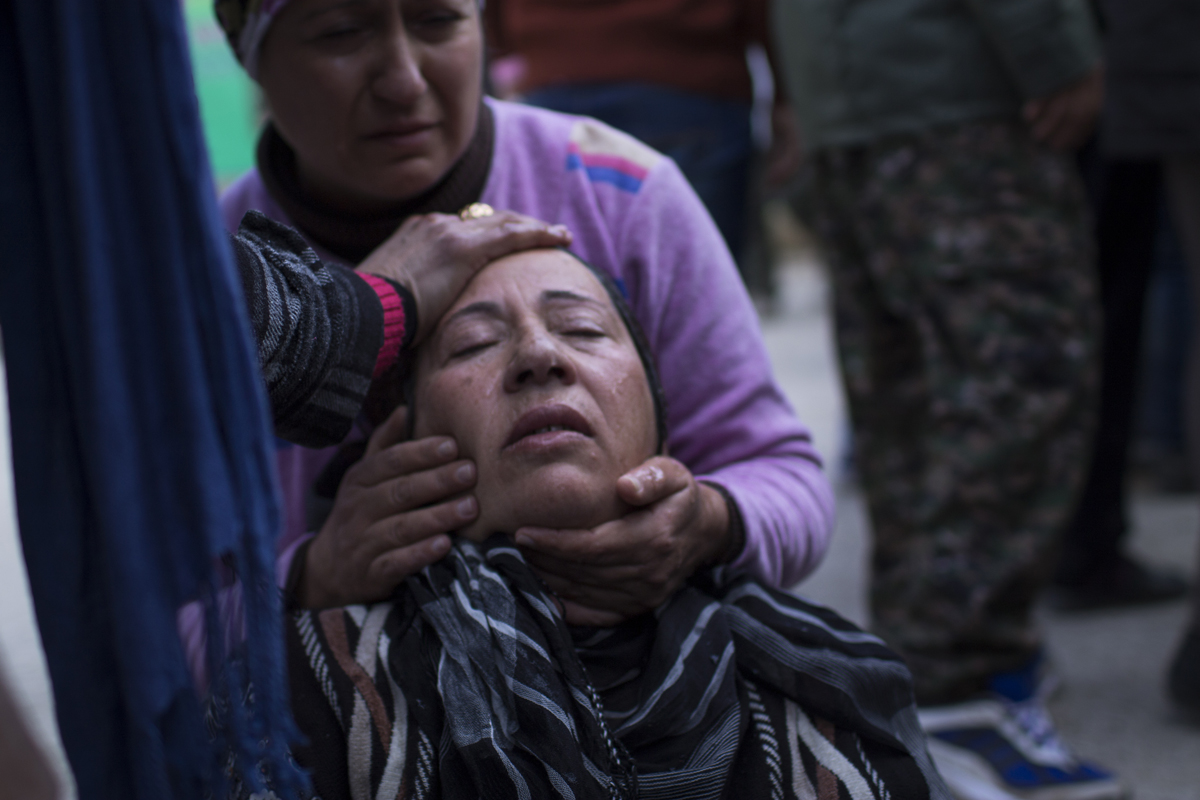
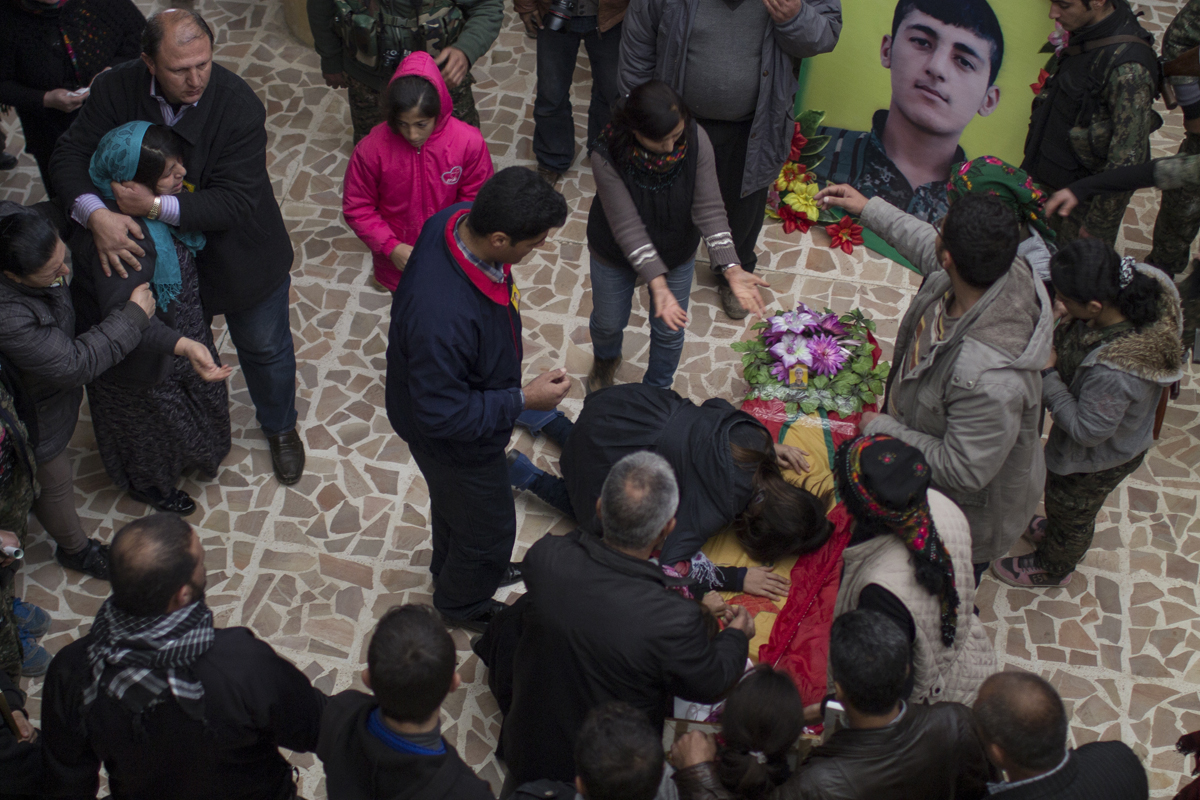
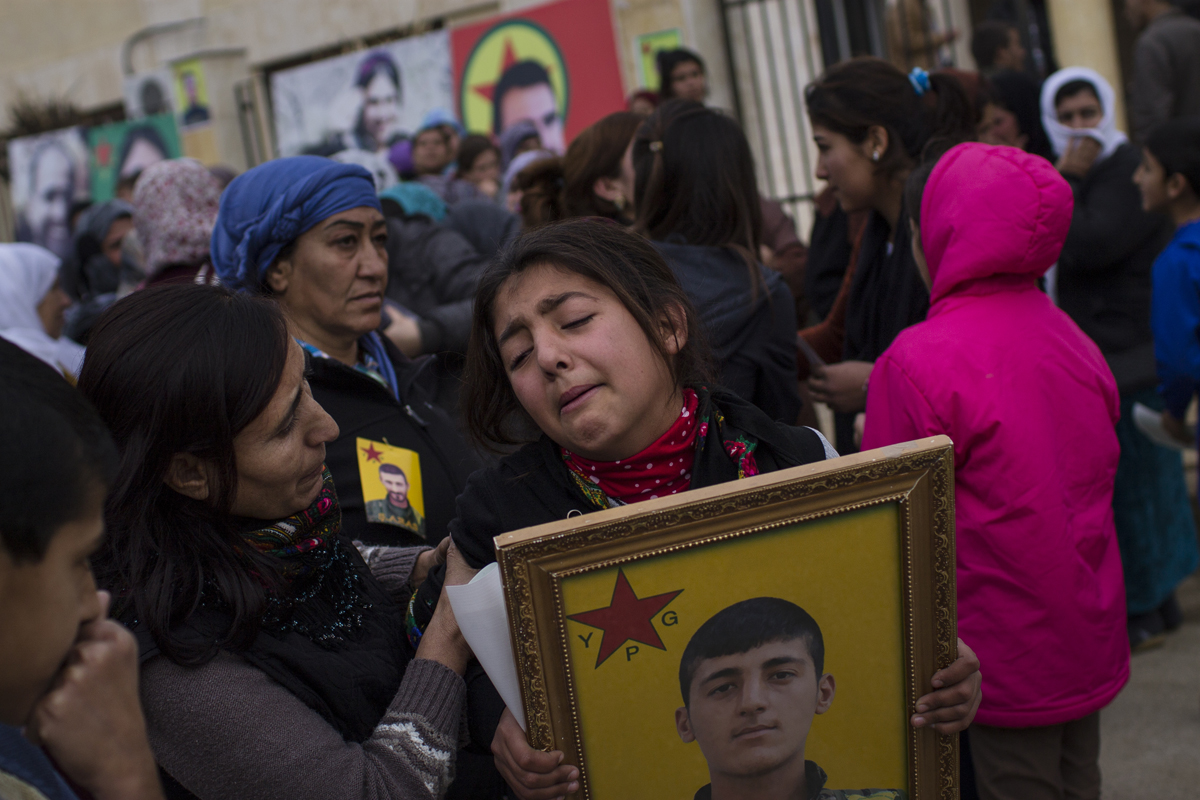
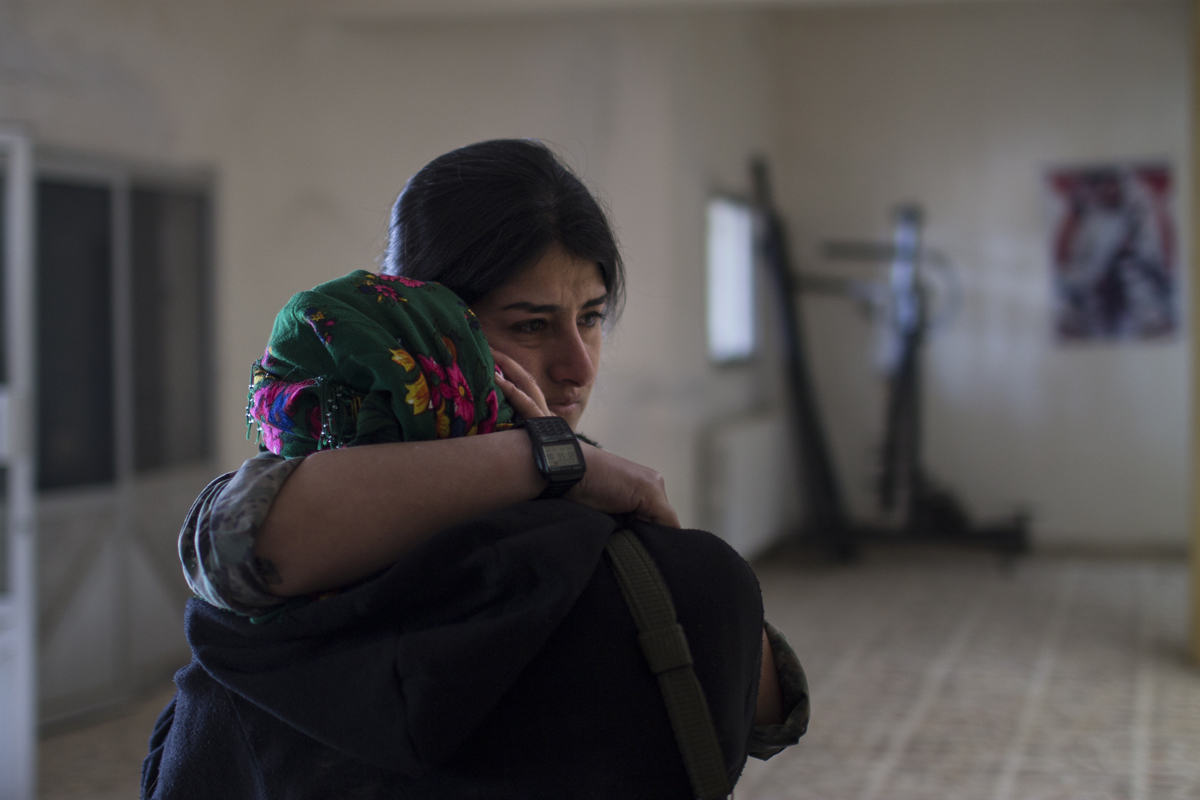
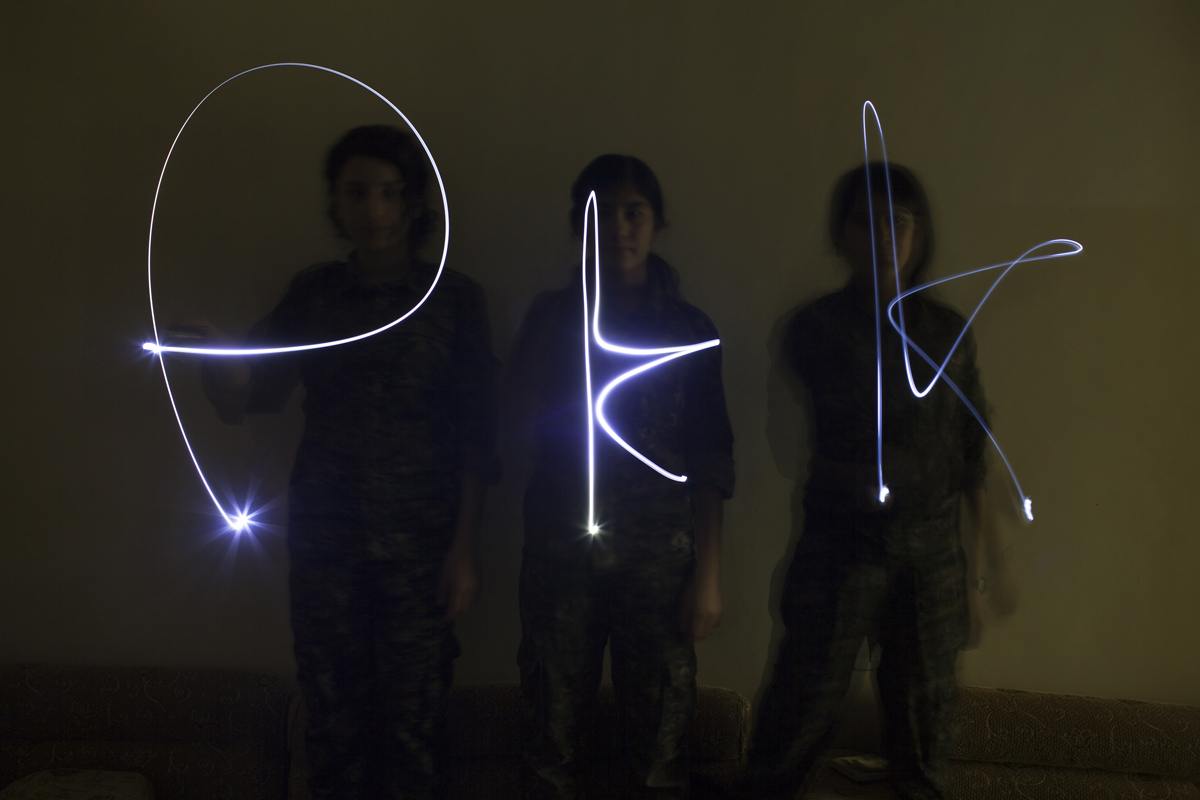
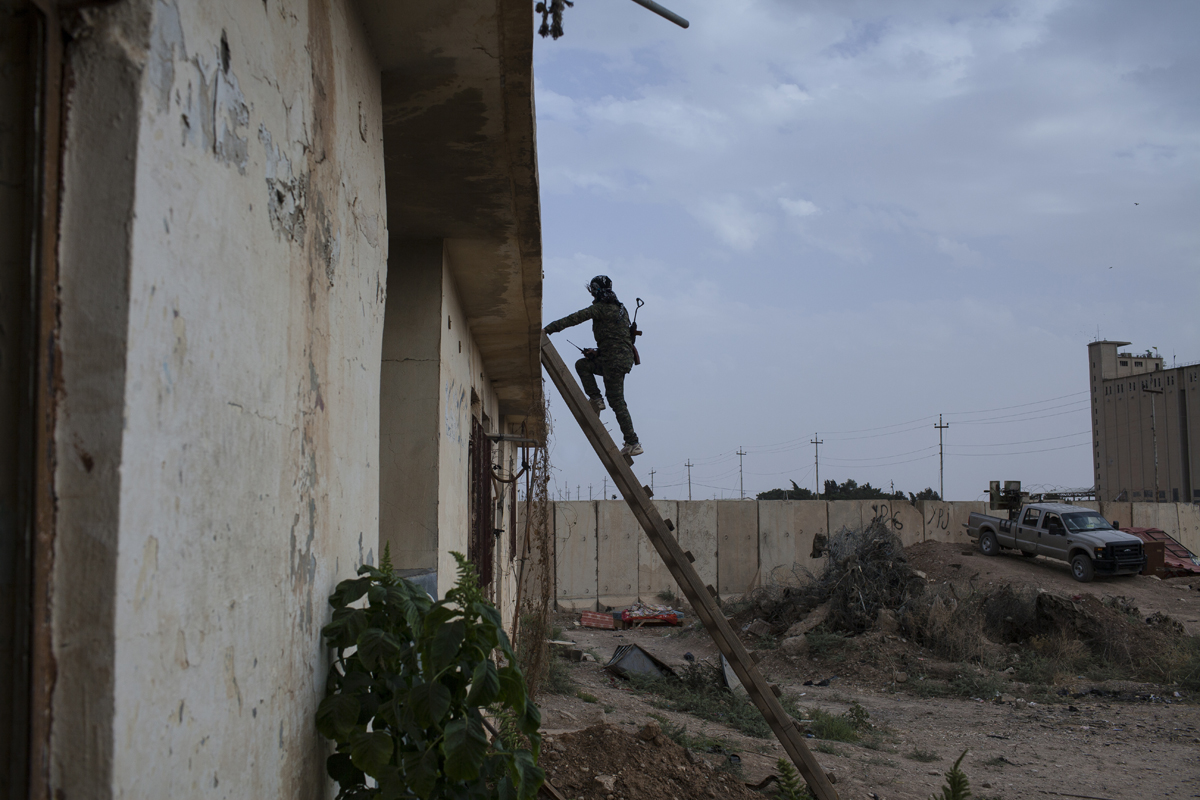
Founded following the 2004 Qamishli clashes, the People’s Protection Units (YPG) emerged as the primary Kurdish armed force in northern Syria (Rojava), tasked with defending Kurdish-majority regions throughout the Syrian Civil War. In July 2012, the YPG expelled government security forces from Kobanî (Ayn al-Arab), Amuda, and Afrin, rapidly organizing into multiple brigades across the region—including Qamishli and Ras al-Ain (Serê Kaniyê)—as clashes intensified with jihadist factions.
As ISIS launched major offensives across Iraq and Syria in 2014, Kurdish authorities declared a general mobilization. Following calls from Kurdistan Workers’ Party (PKK) leader Abdullah Öcalan and the Kurdistan Communities Union (KCK), hundreds of volunteers from across Syria, Turkey, Iraq, and Iran—alongside international volunteers from Europe, the Americas, and Australasia, as well as local Arab youths—joined the ranks. Mothers over the age of forty even formed dedicated battalions to defend the gains of the Rojava revolution.
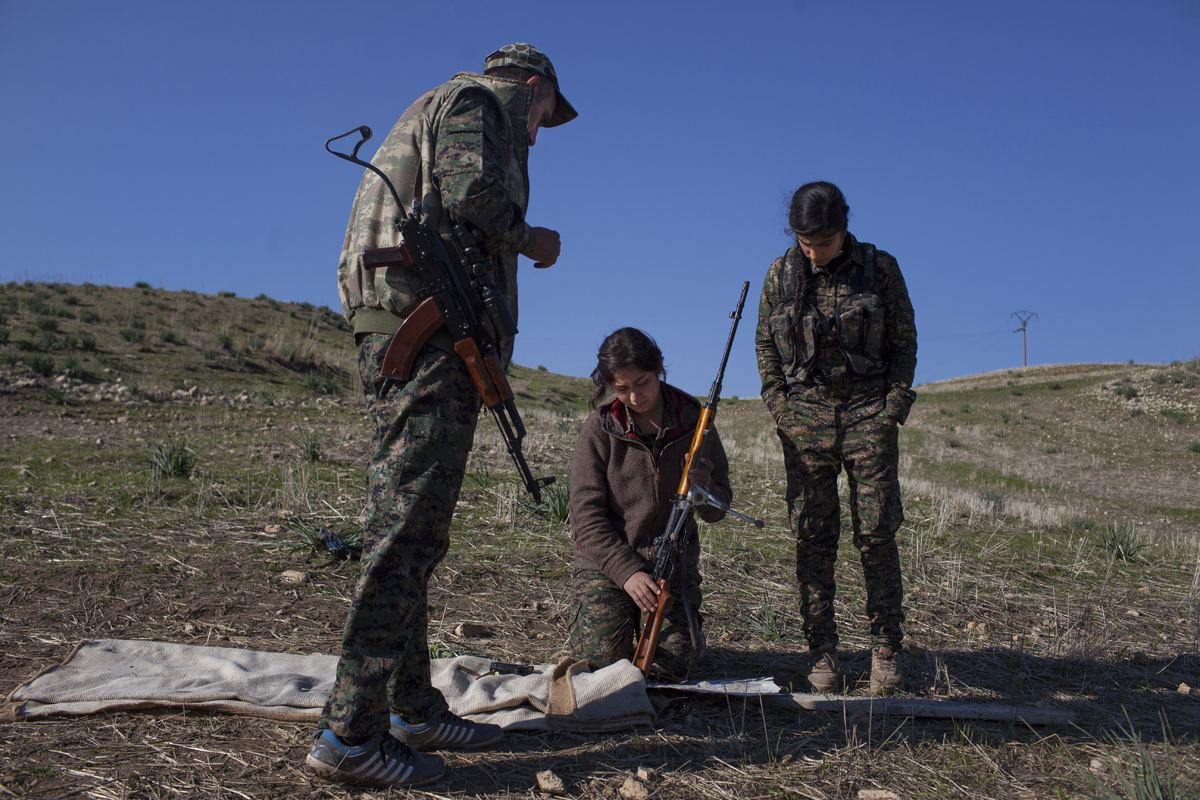
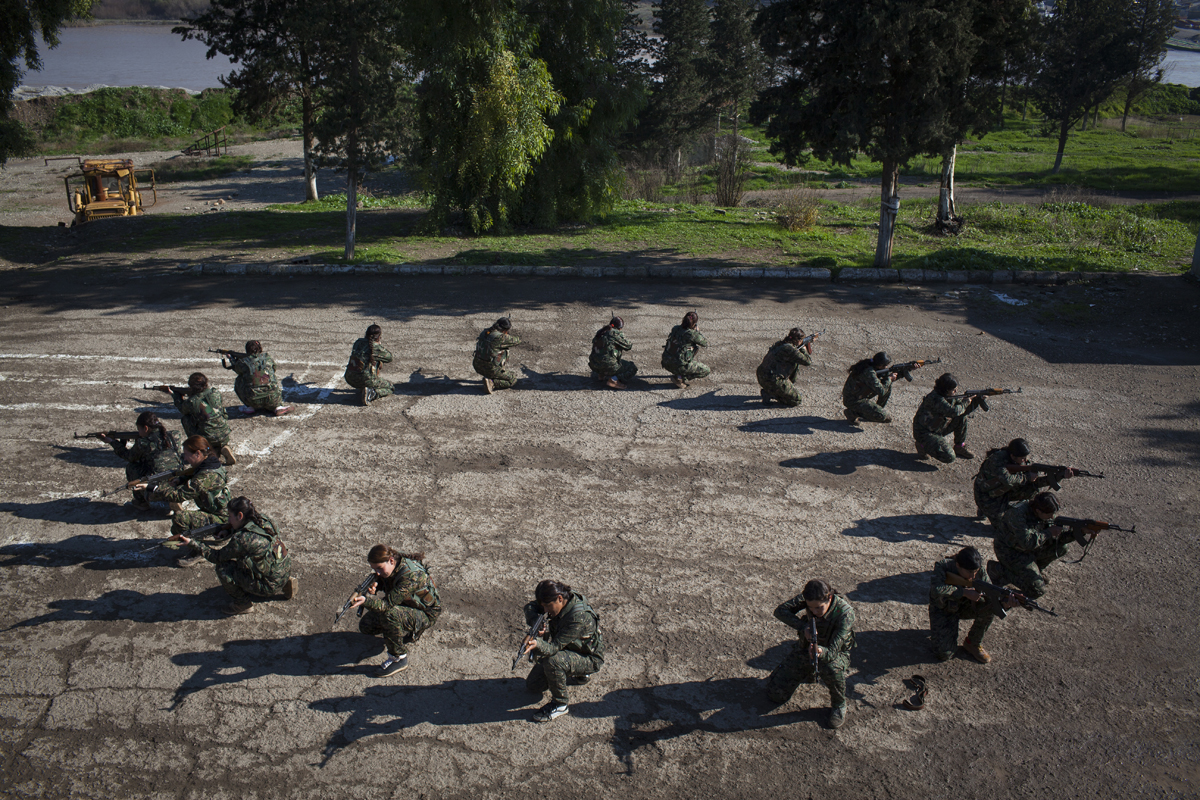
Fighting alongside the YPG, the Women’s Protection Units (YPJ) brought young women—mostly between 18 and 24 years old—to the front lines, living under strict military discipline and communal austerity, while younger recruits under 18 were assigned to non-combat roles in logistics, administration, and media. Collaborating with Kurdish Peshmerga forces and allied Syrian factions in battles from Kobanî to Sinjar and Raqqa, these fighters suffered heavy casualties—and today, communities honor their fallen with solemn private ceremonies, remembering them as national heroes.