BETWEEN TWO FRONTS


BETWEEN TWO FRONTS
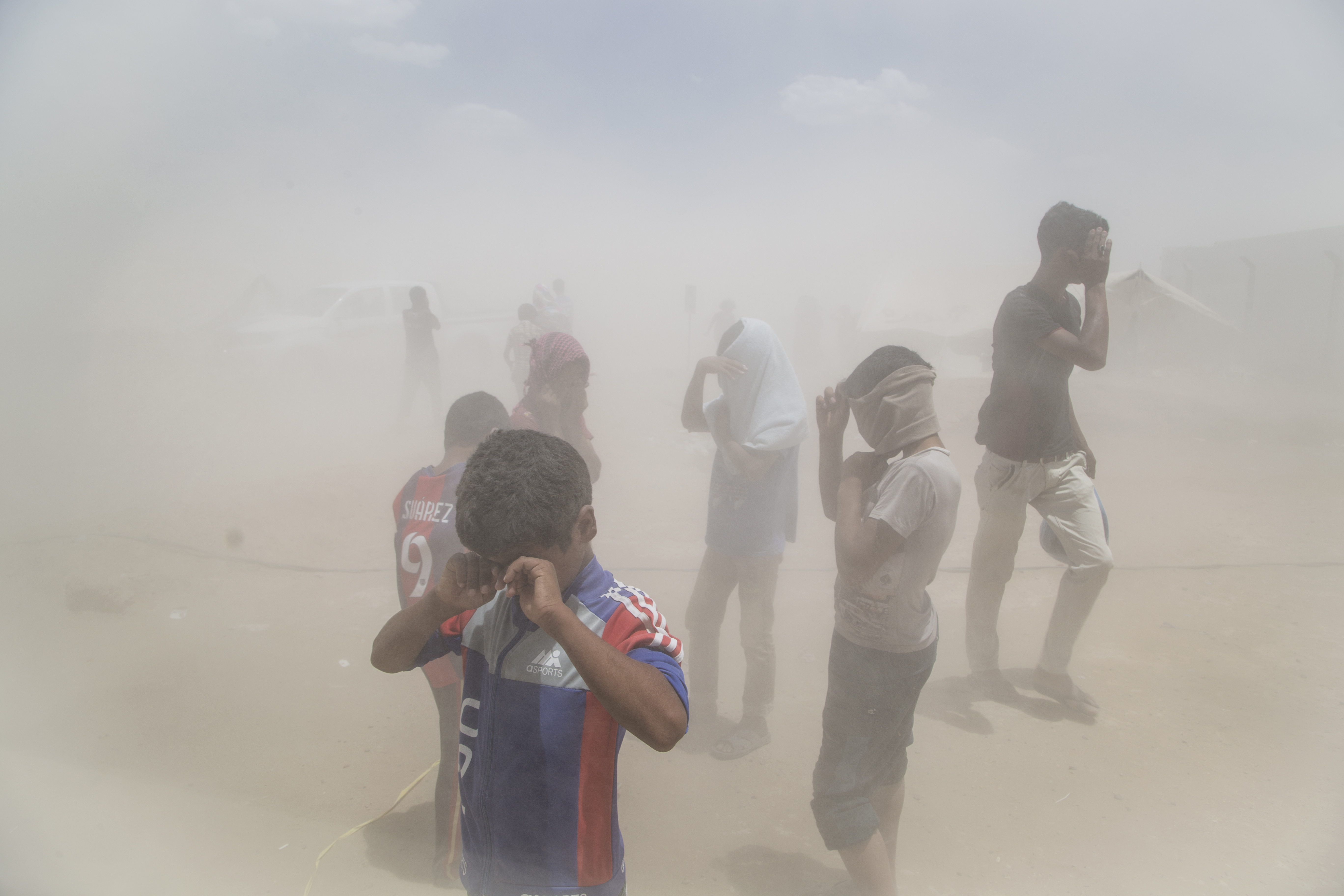
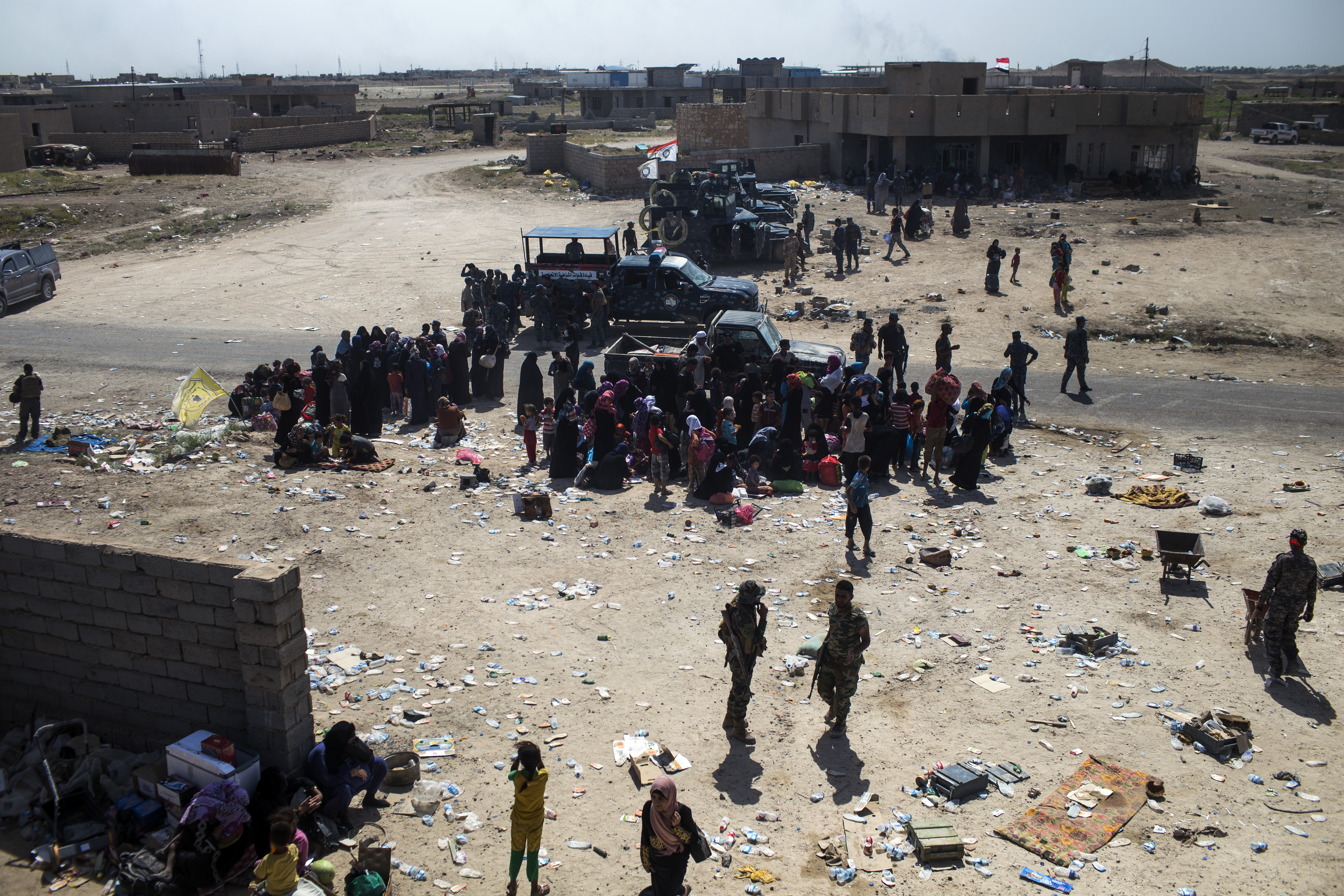
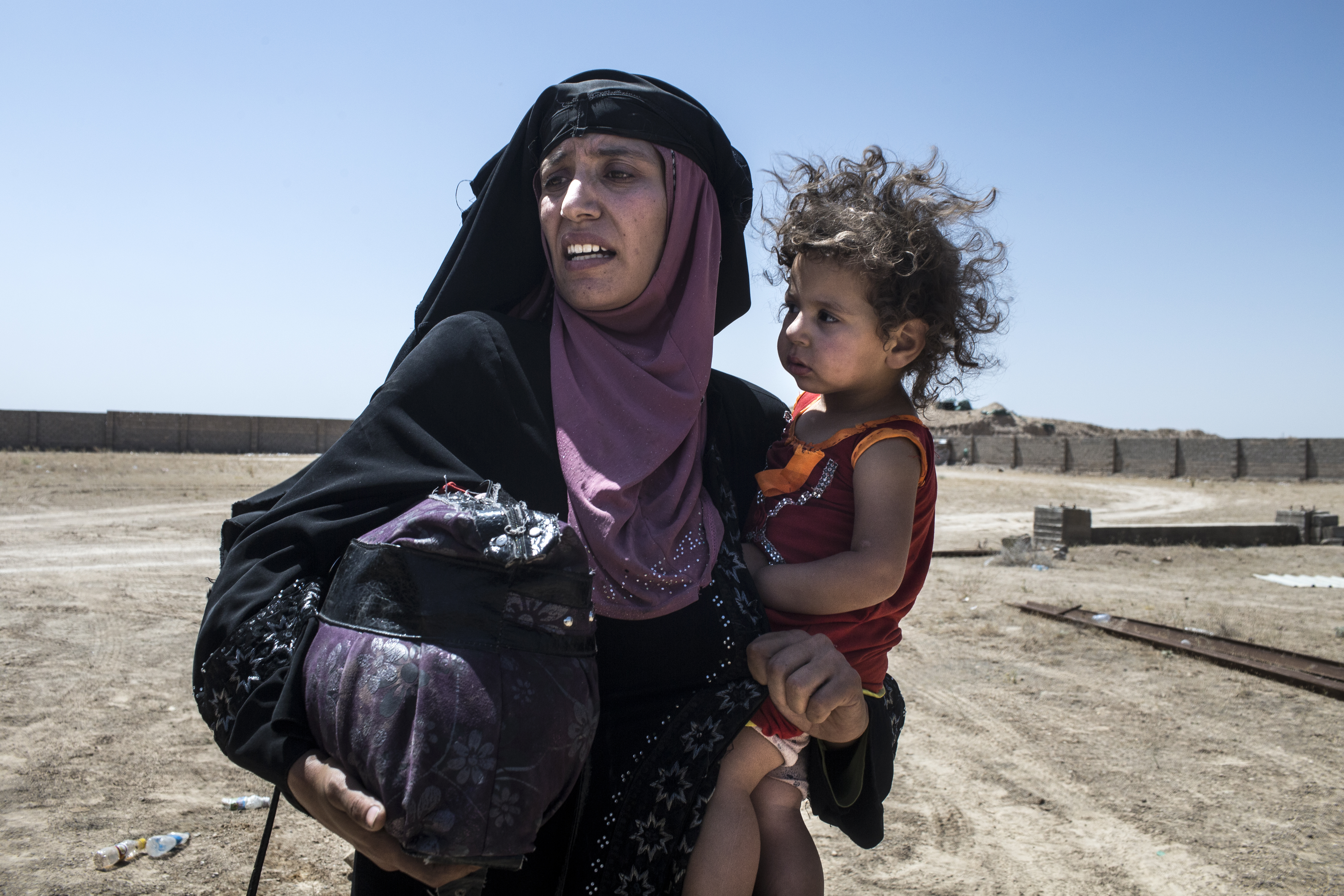
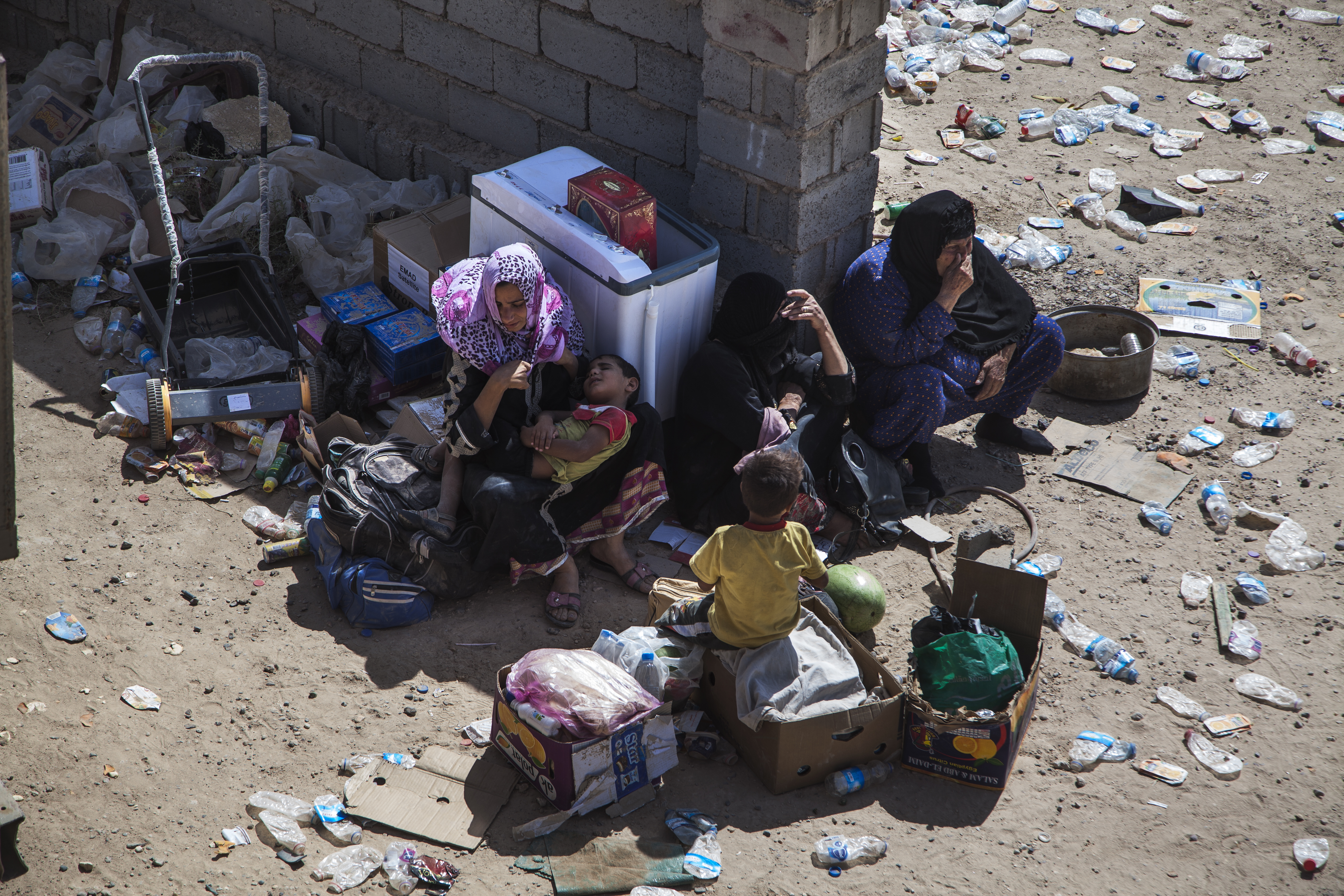
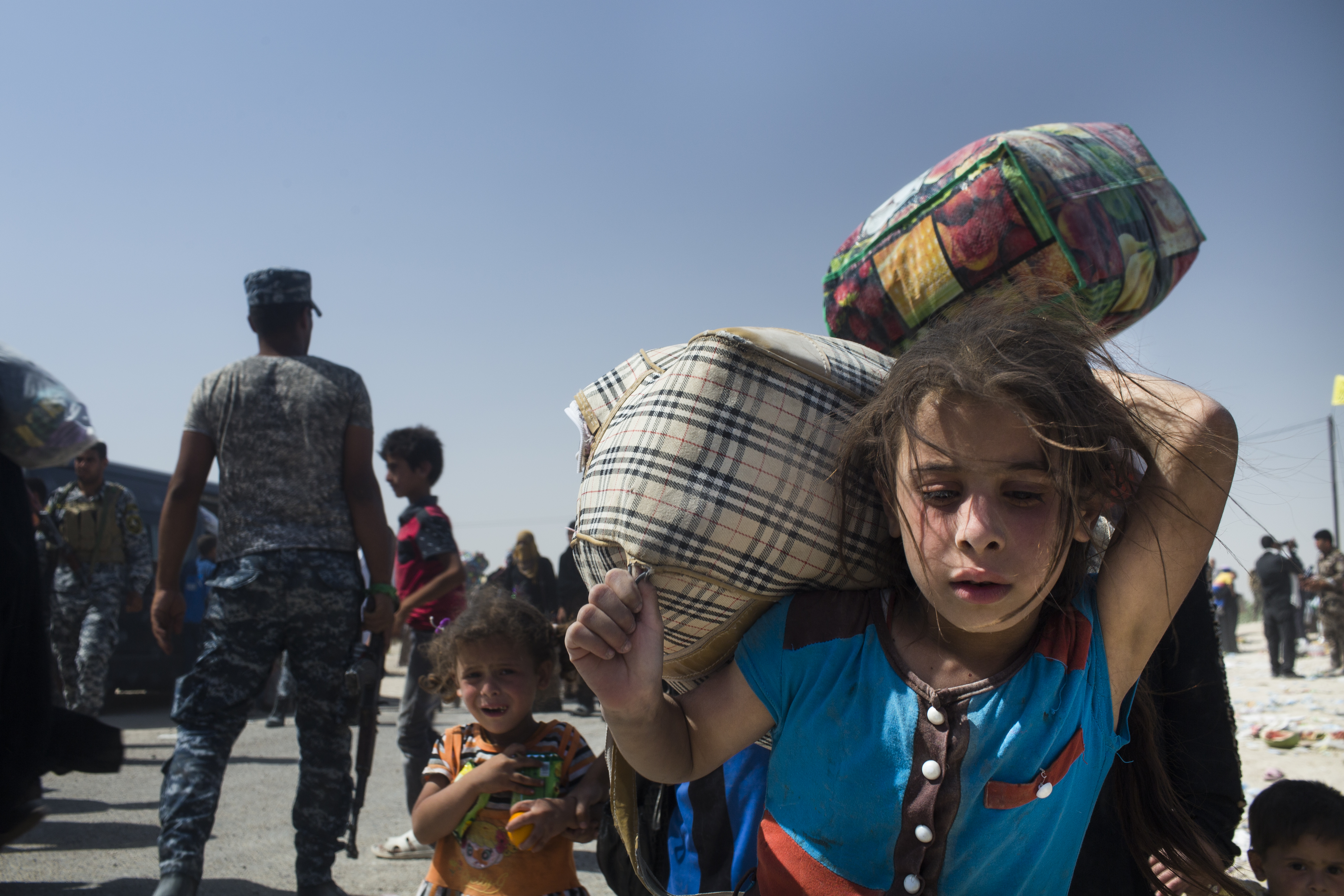
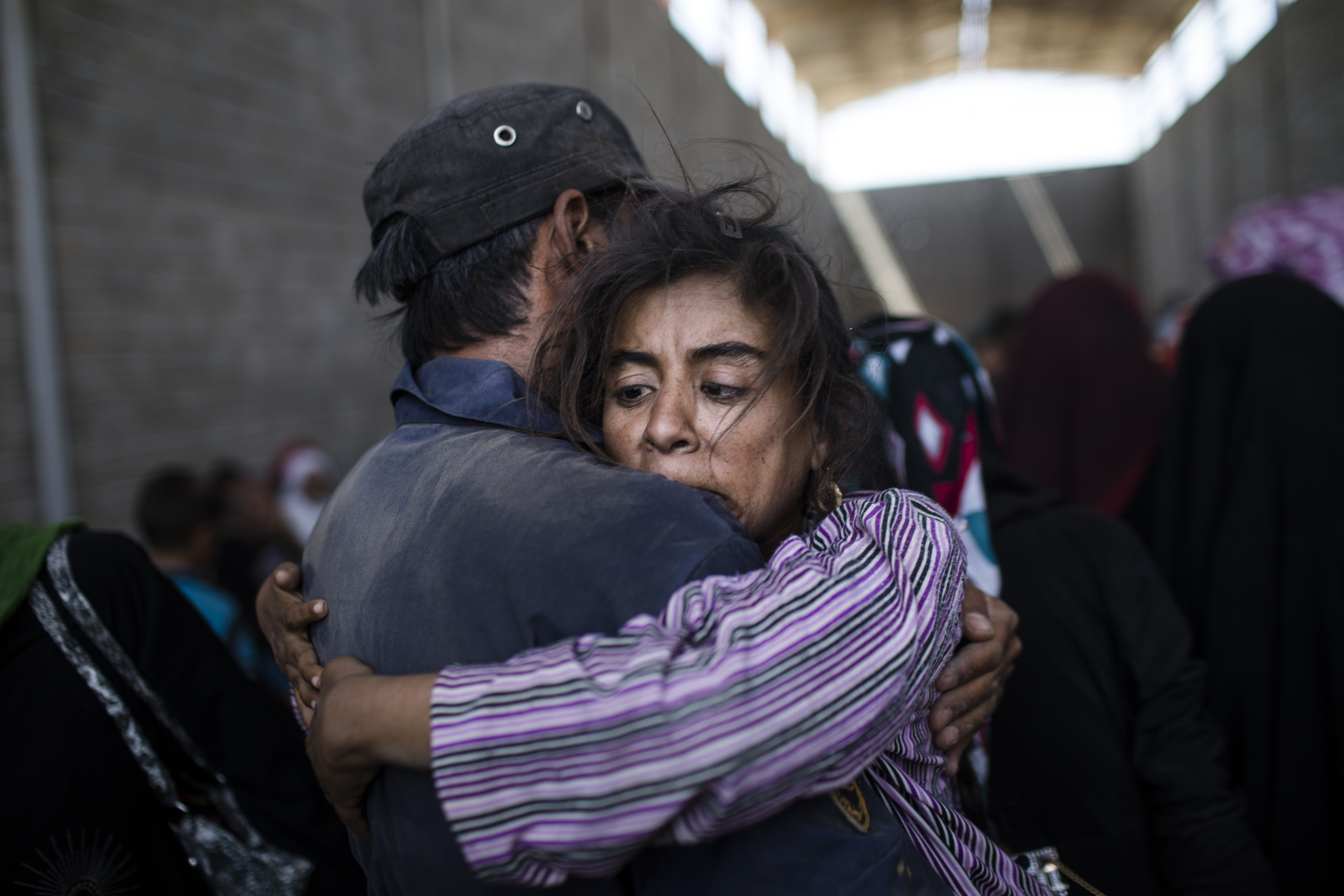
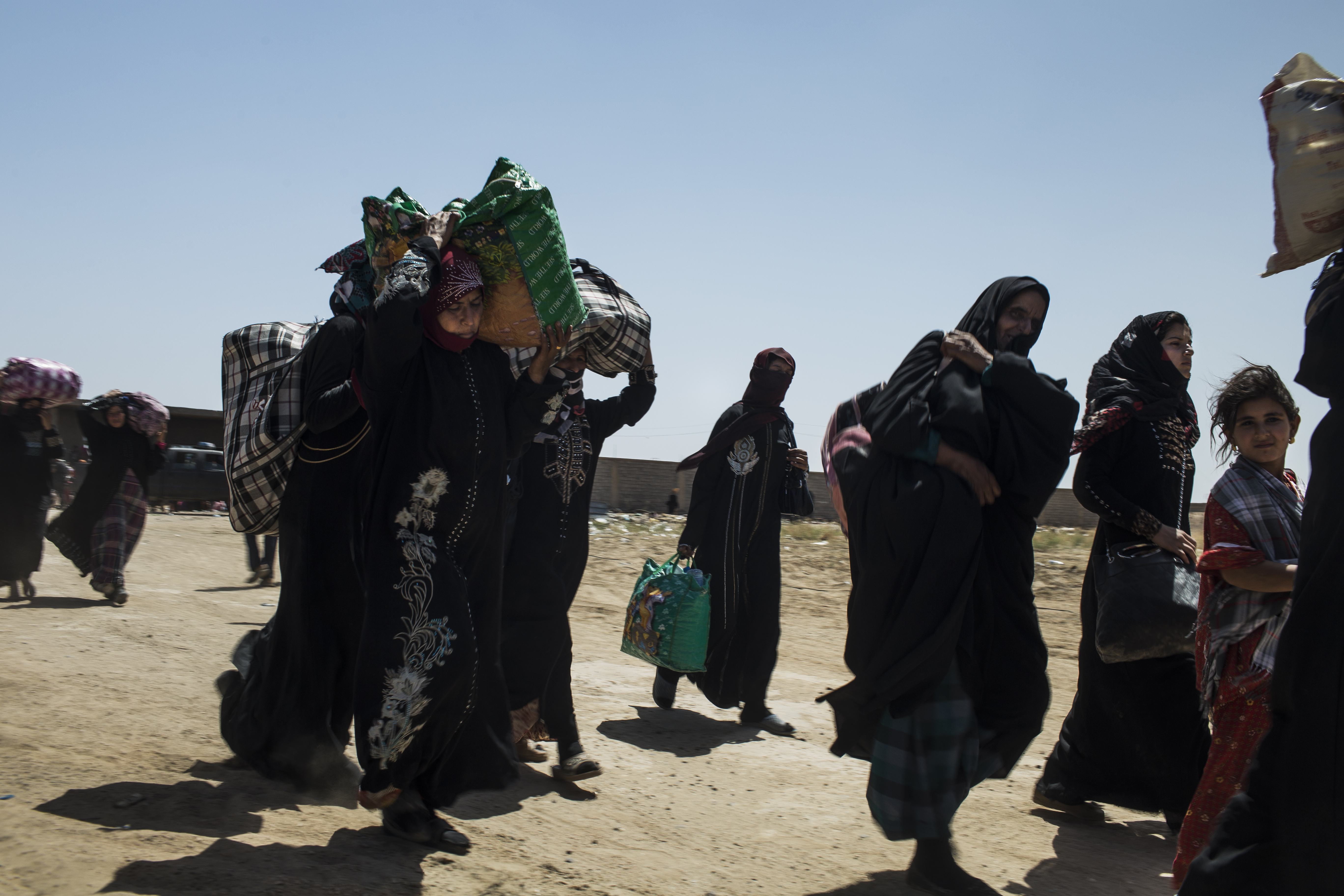
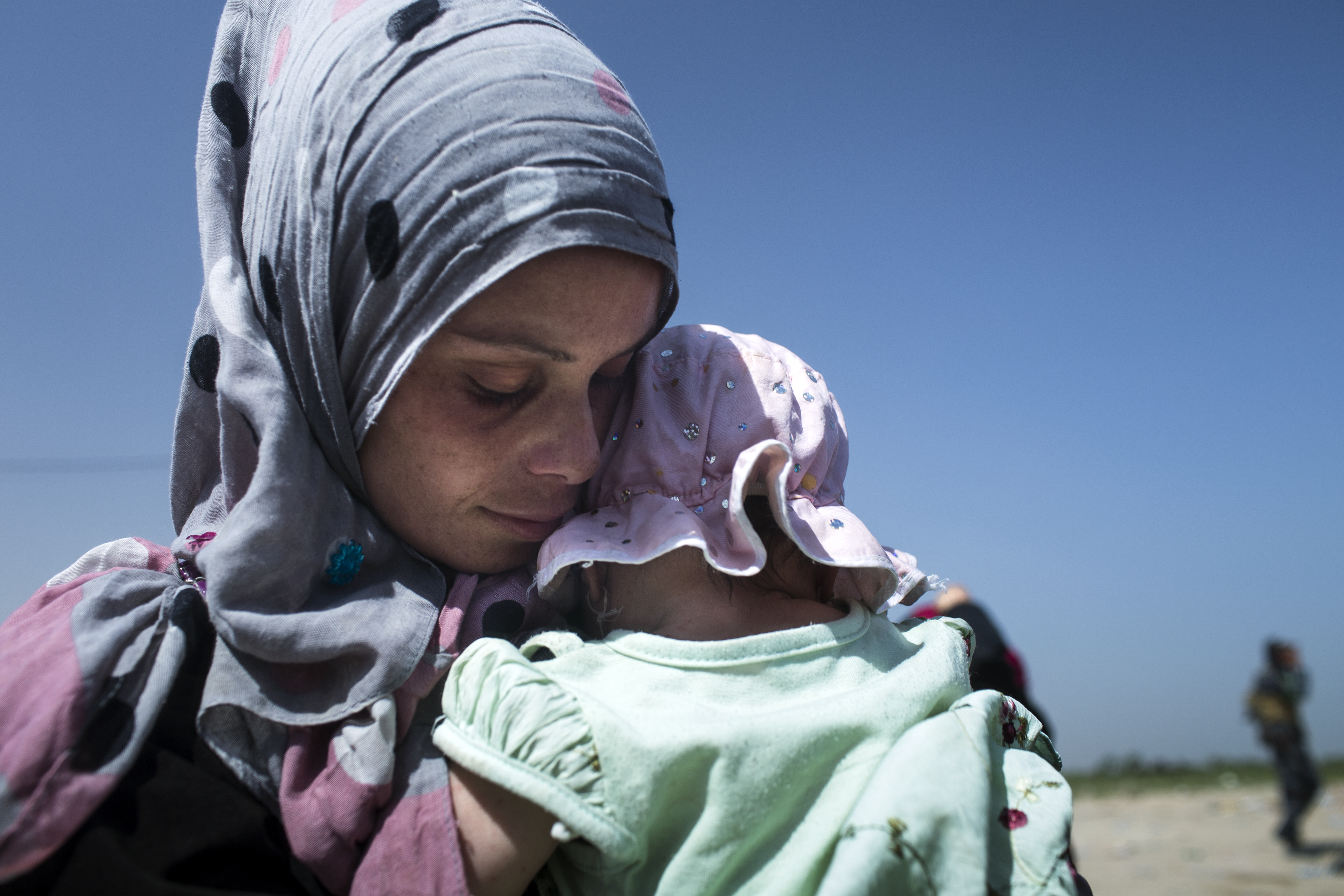
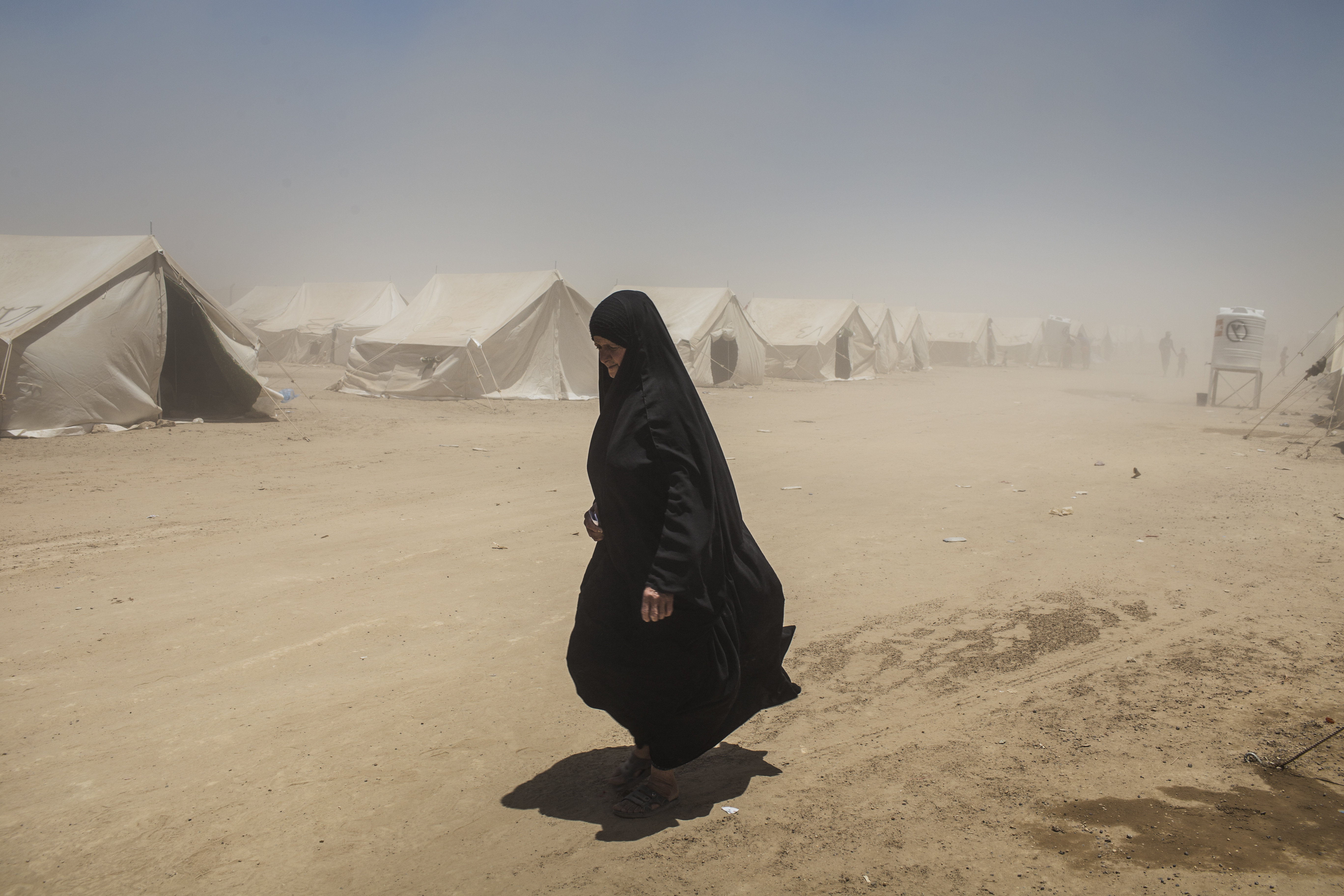
Documented along the desert escape routes outside Fallujah in 2016, this photo story bears witness to thousands of displaced families fleeing siege, starvation, and crossfire capturing the harrowing separation of men for security screening and the human toll of a city caught between ISIS and advancing forces.
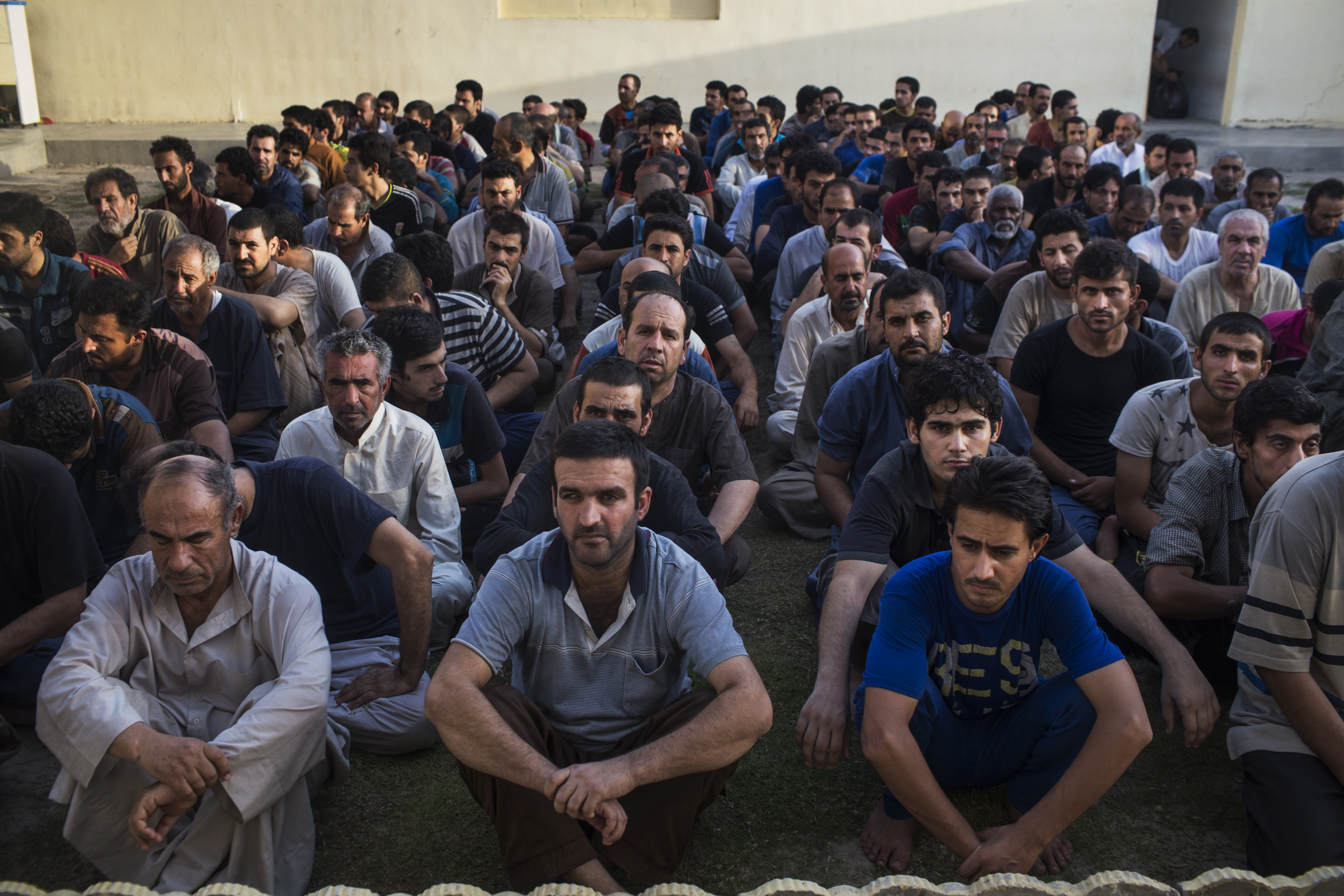
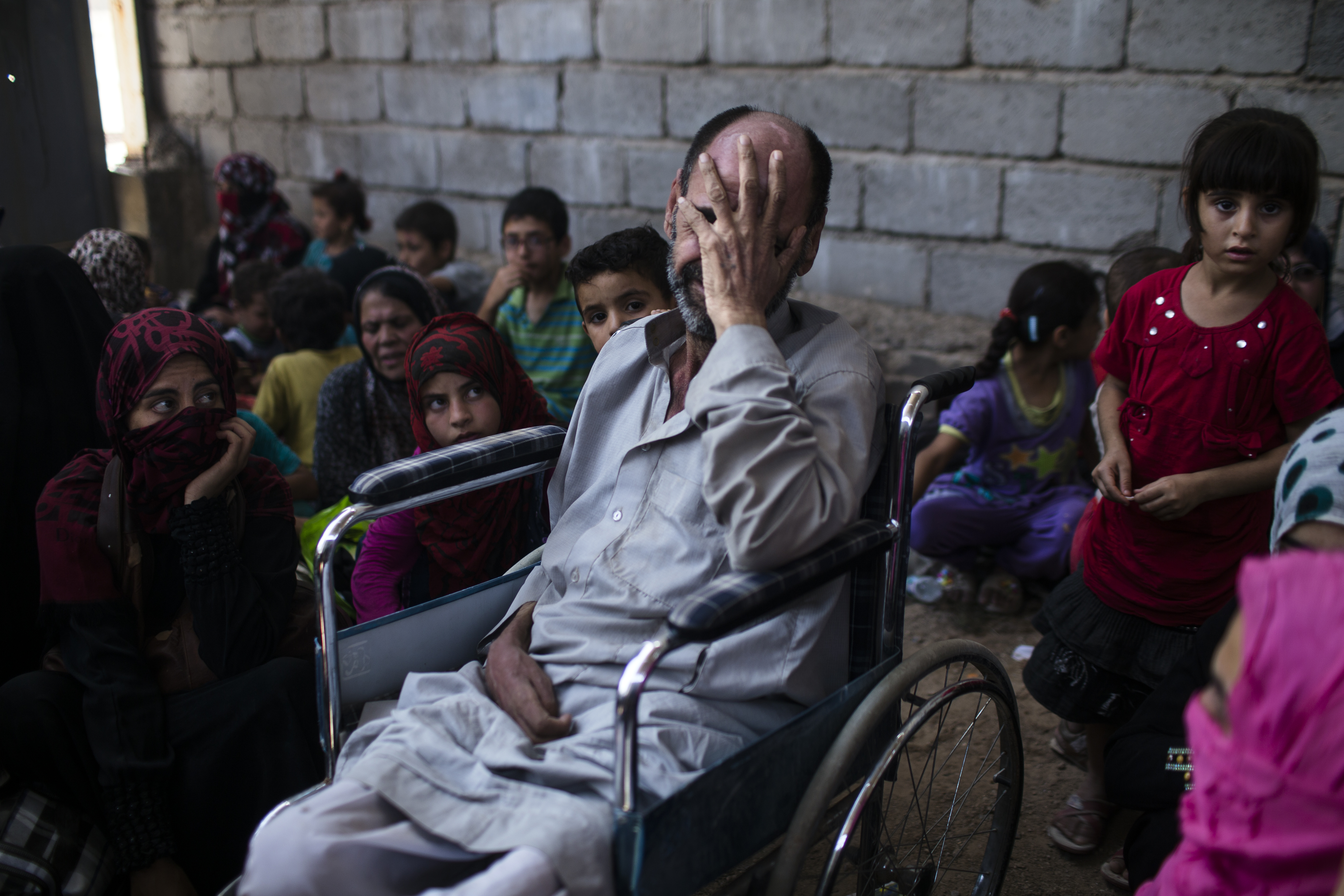
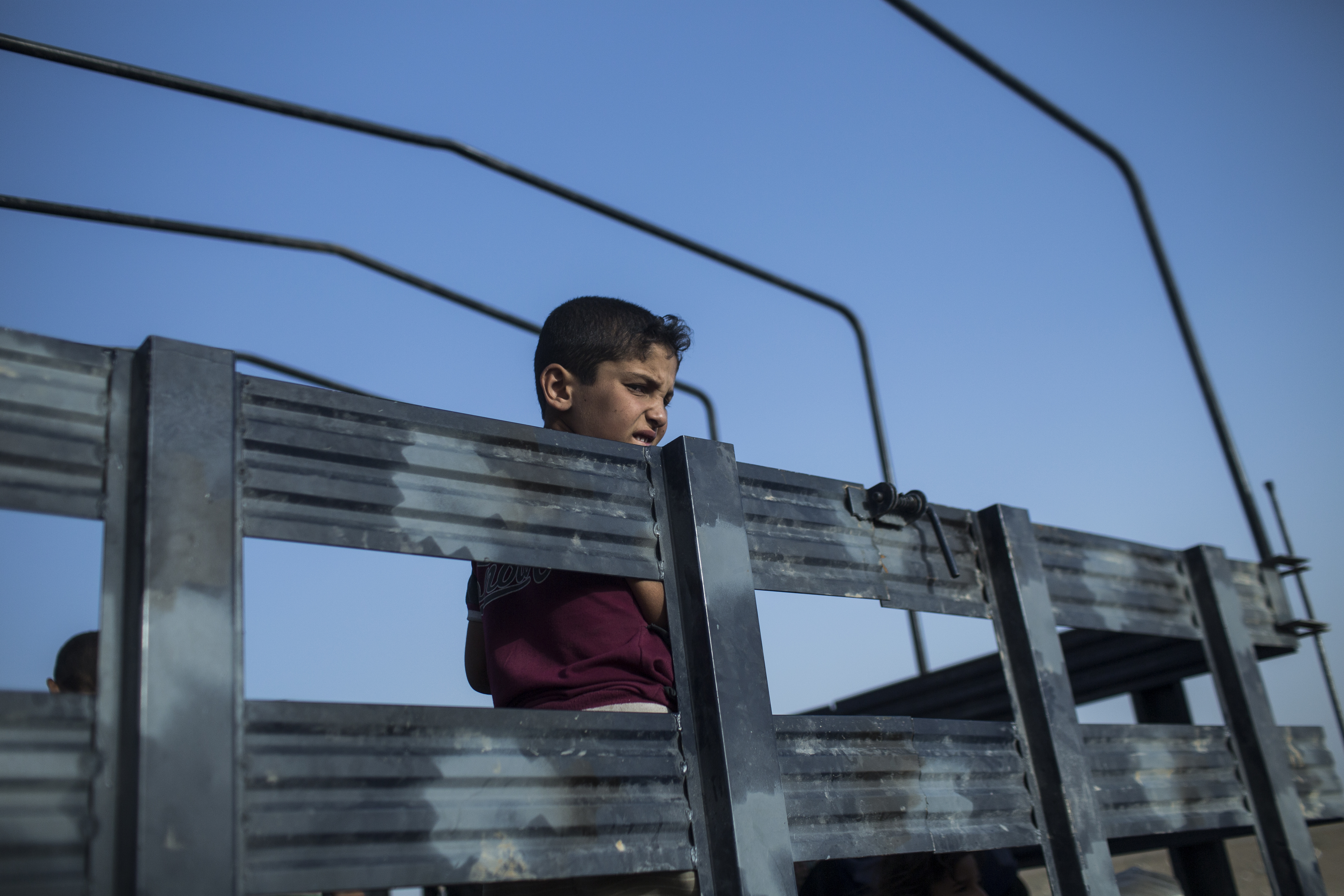
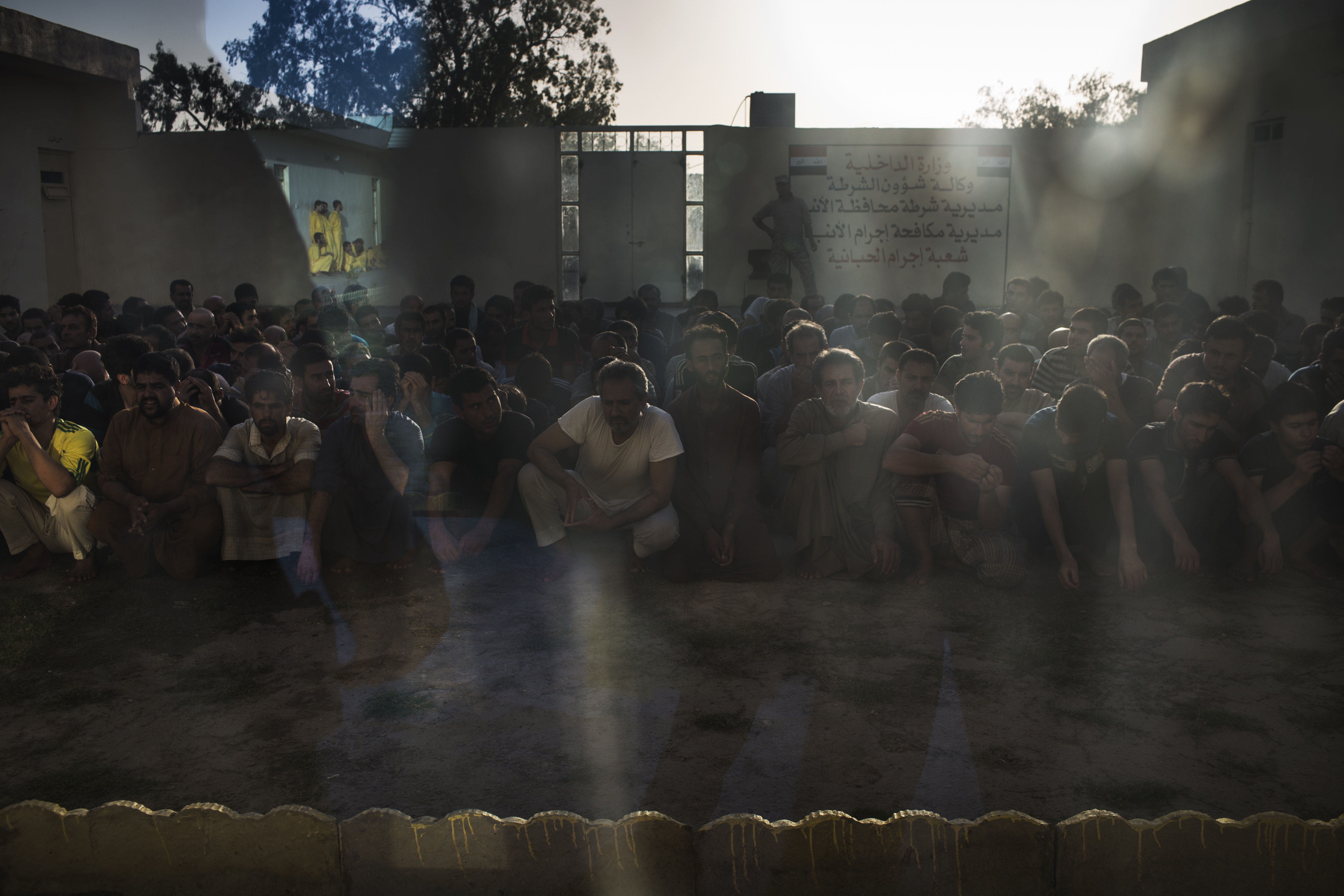
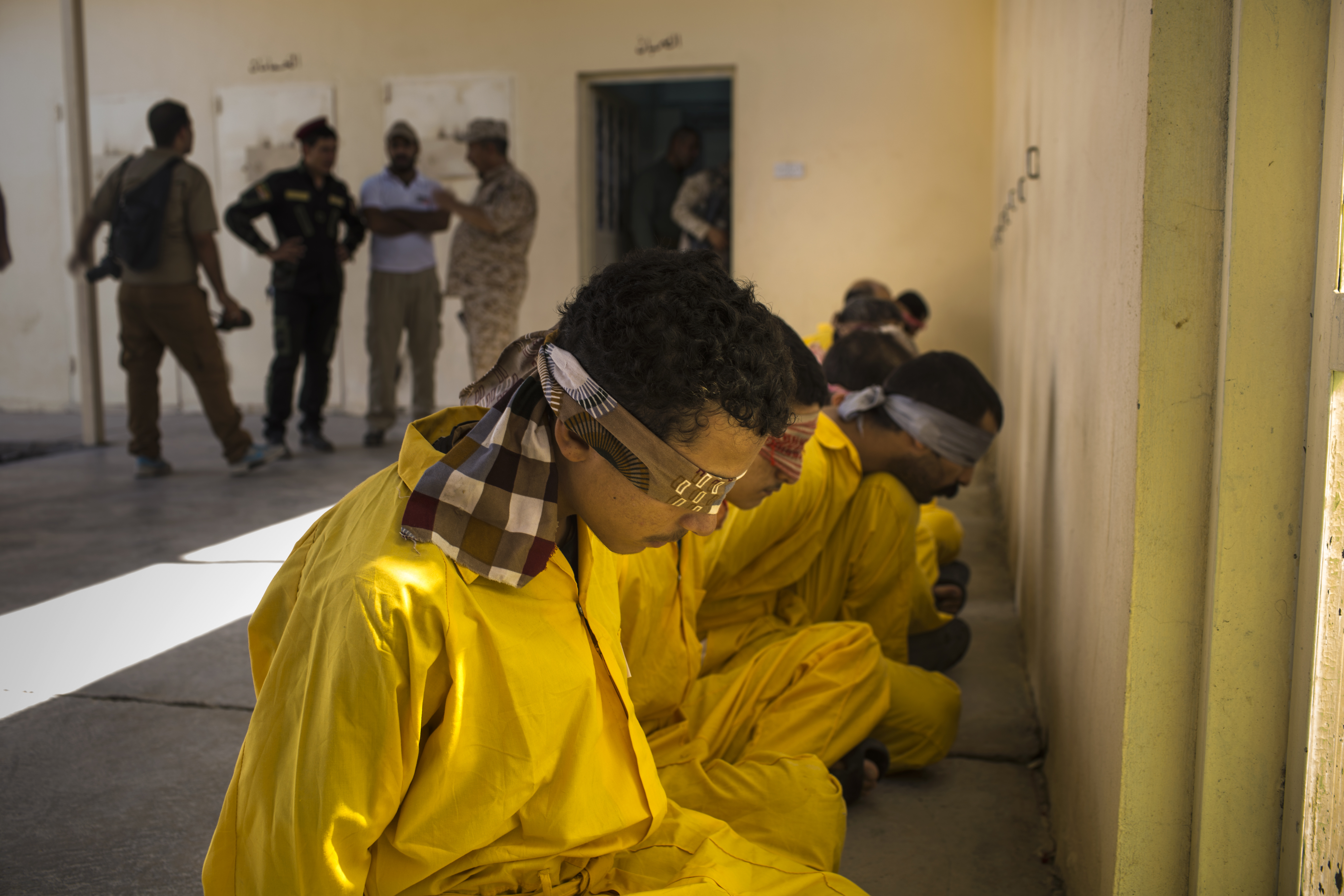
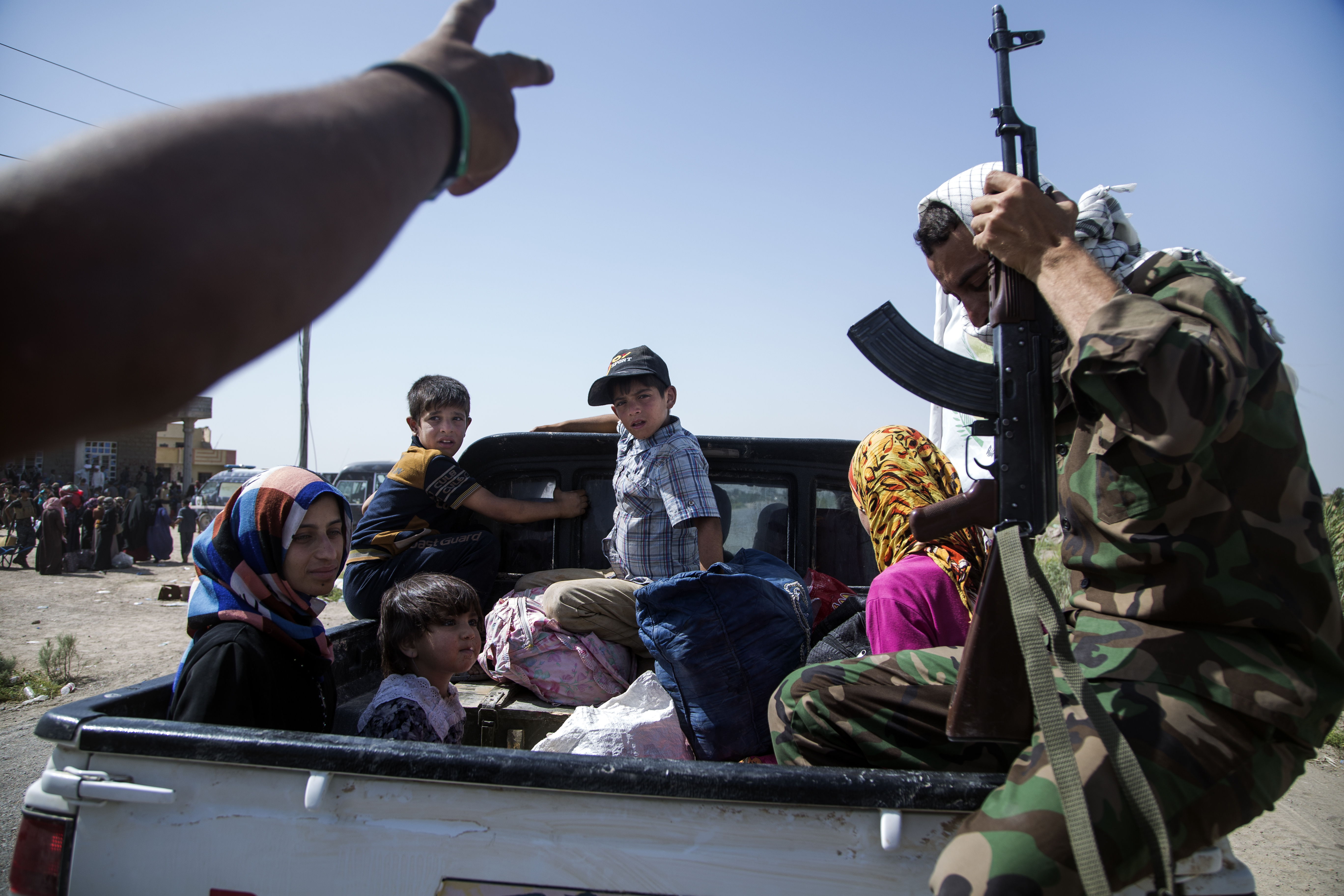
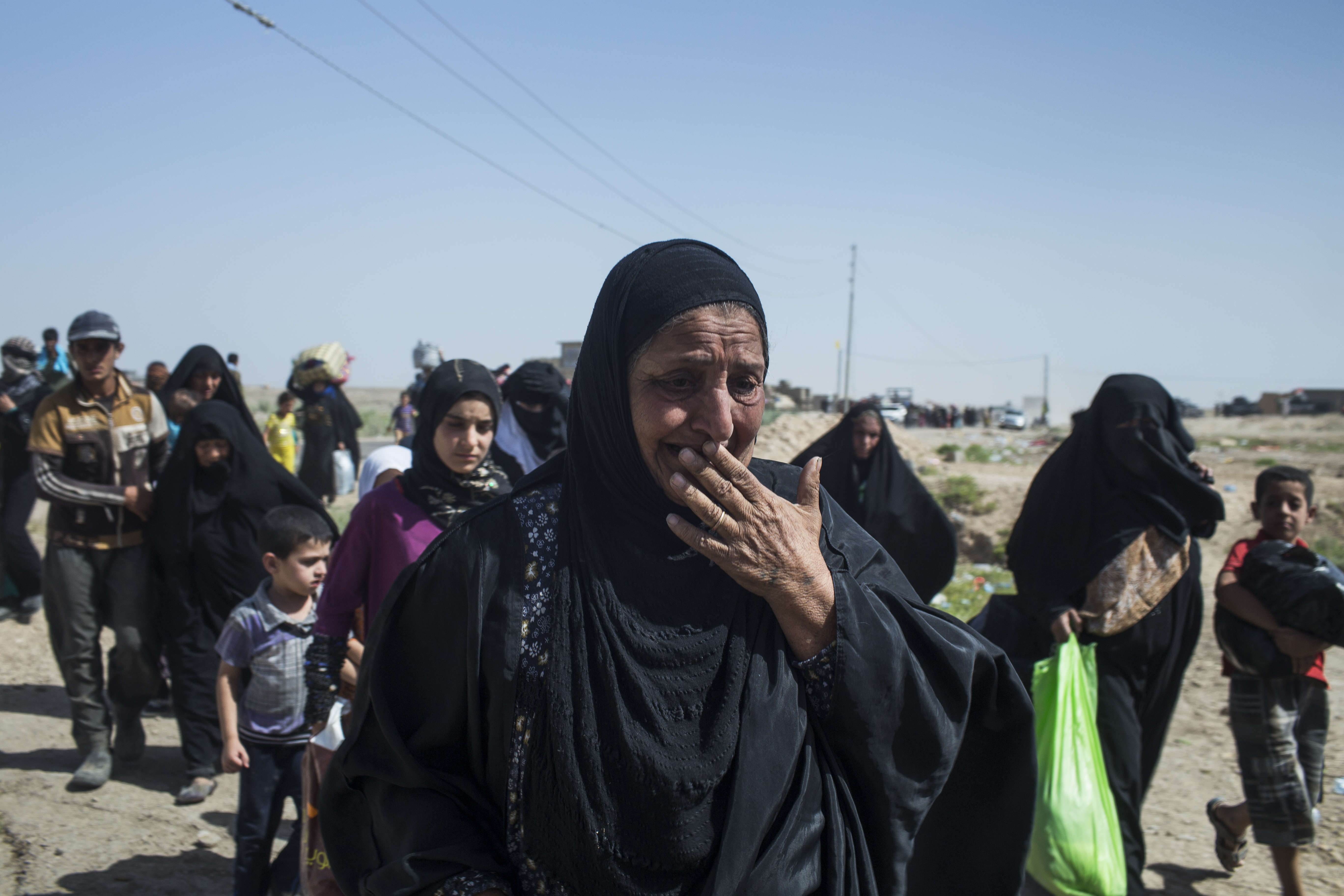
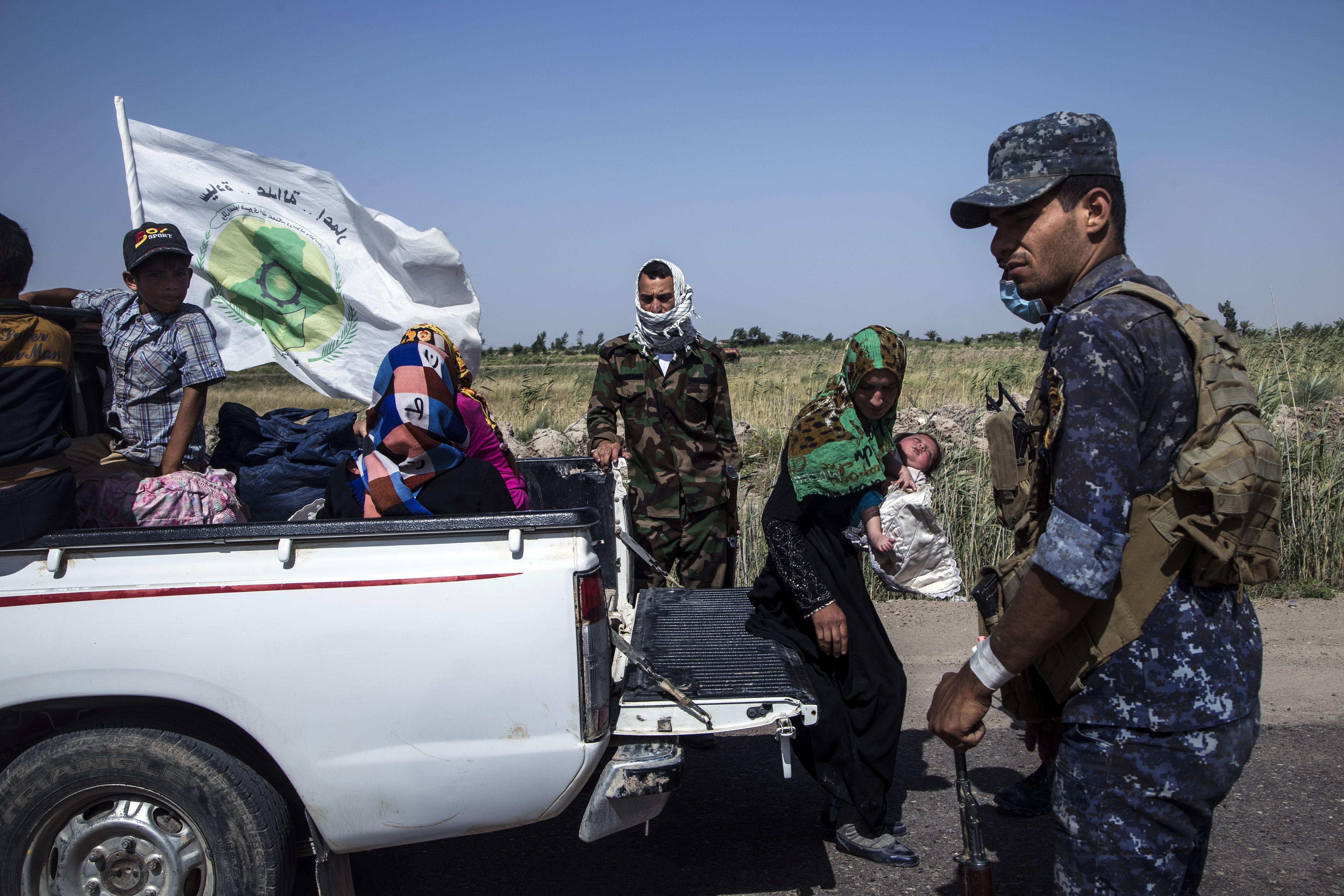
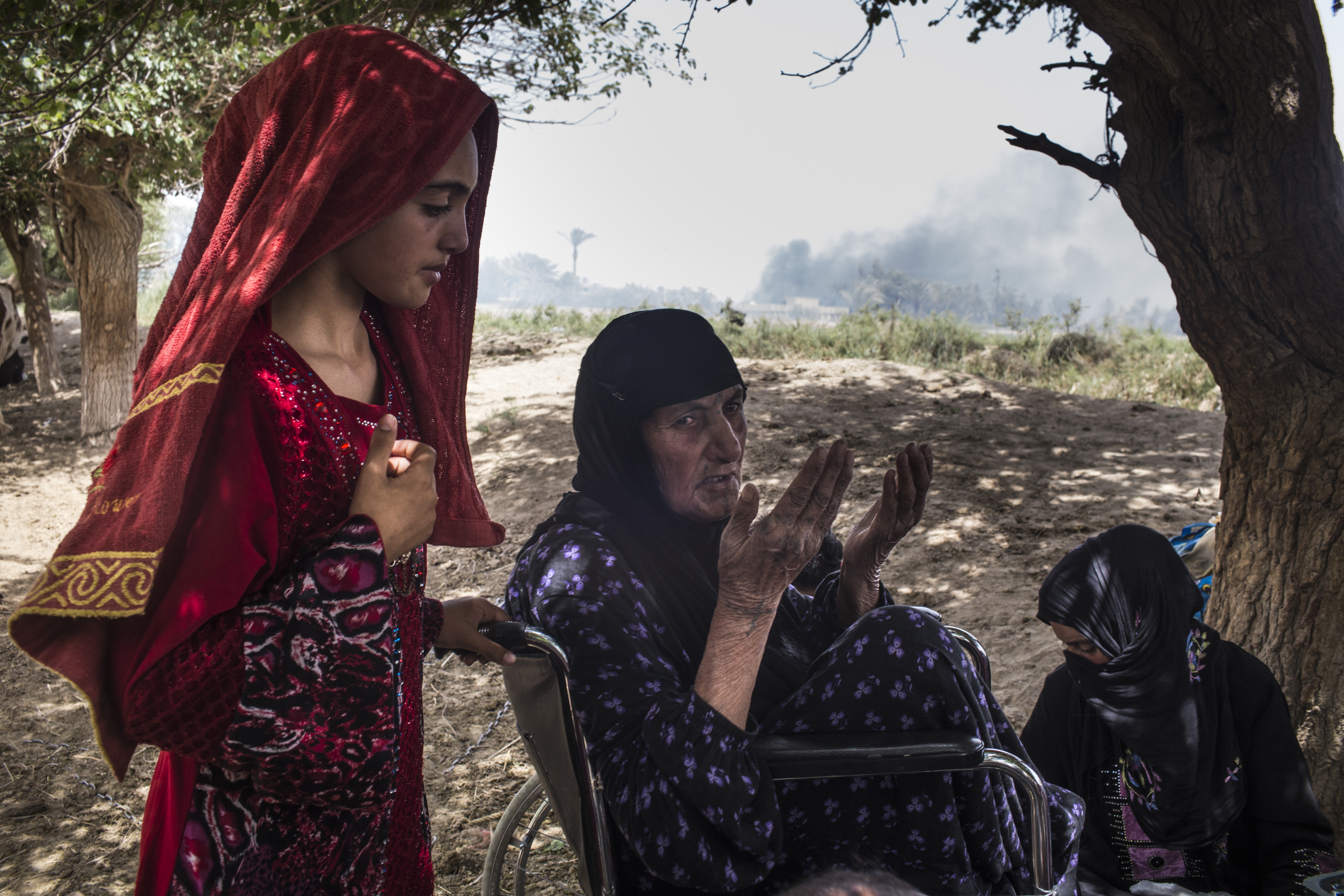
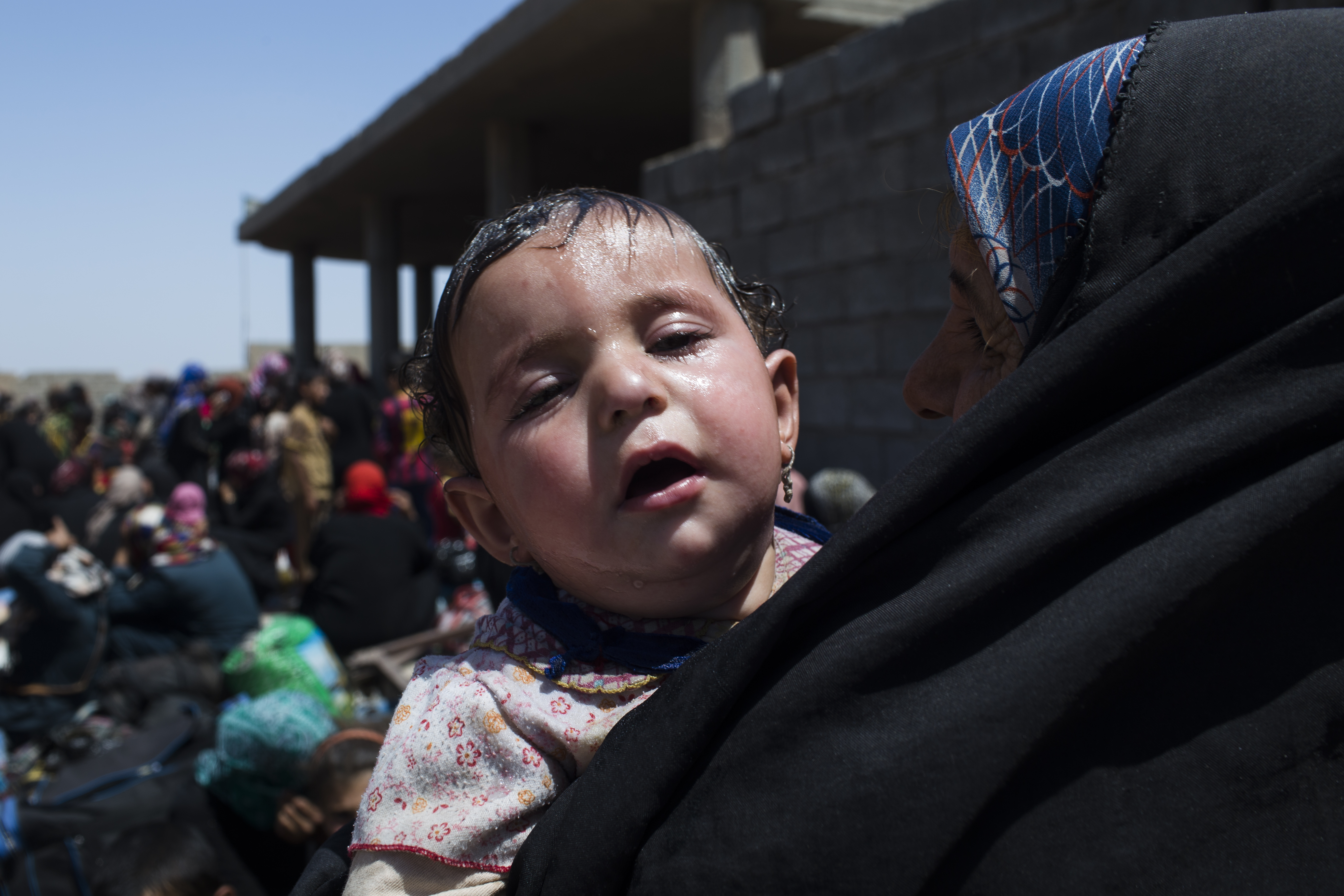
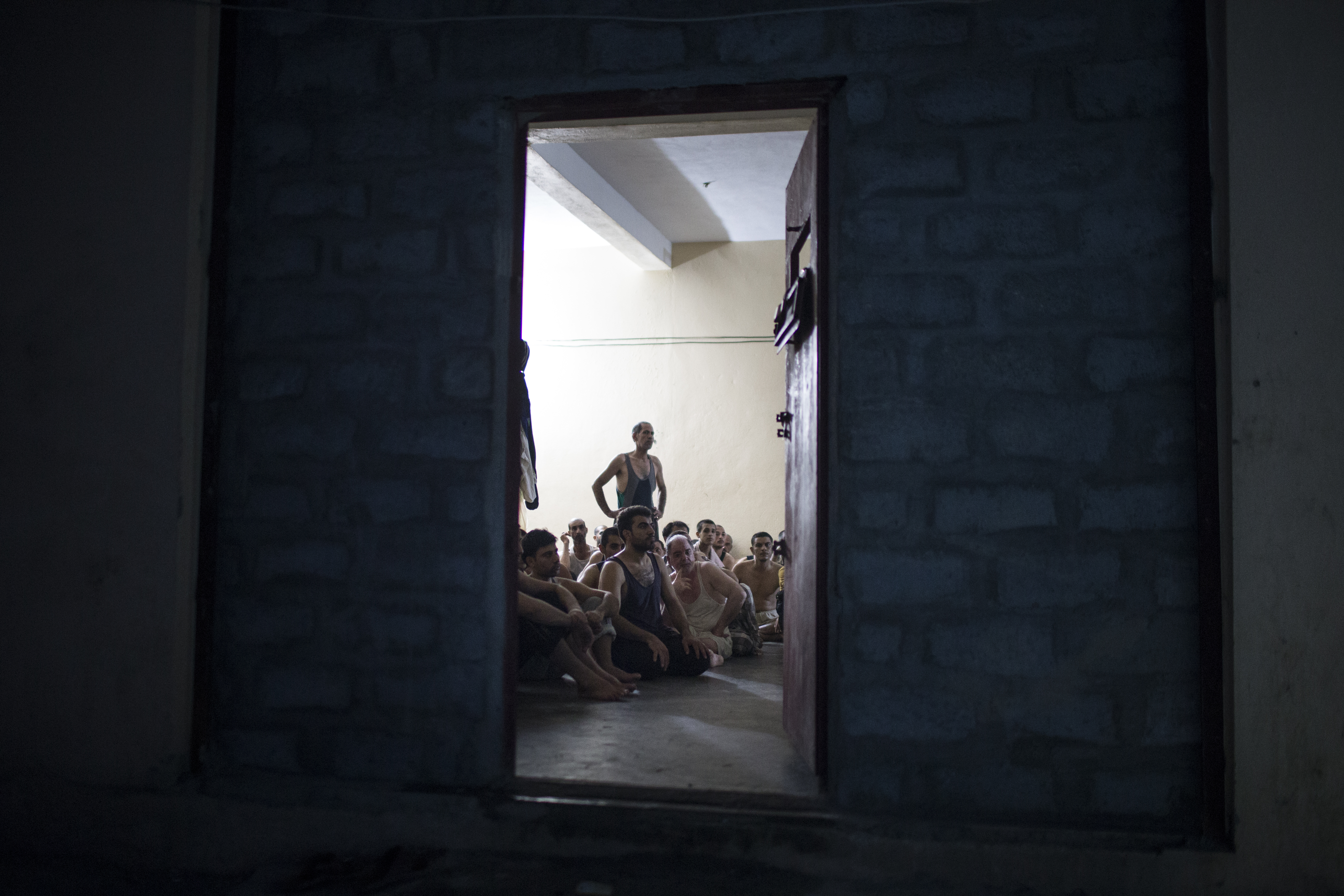
Under a blazing sun and blowing sand, I arrived at a desert corridor used by internally displaced persons (IDPs) fleeing the 2016 offensive in Fallujah, 40 miles west of Baghdad. Seeing a man among the crowd was rare; the vast majority of those escaping were women, children, and the elderly. Paramilitary units—the Popular Mobilization Forces (Hashd al-Shaabi)—separated men and boys aged 16 to 60 from their families, loading them into vehicles bound for detention and security-screening centers near Lake Tharthar and Habbaniyah/Khalidiya amid suspicions of ties to the Islamic State (ISIS). During one such separation, a weeping mother whispered to me that militiamen had taken three of her sons—only to abruptly change her story the moment a soldier walked within earshot, terrified for their safety.
Near the center of Saqlawiyah, dozens of families had spent at least three days trapped among trees and bushes, caught in crossfire between Iraqi forces and ISIS fighters. When journalists and accompanying security personnel reached them, men were immediately separated from women and children. Among them was a man unknown to the local families who had reportedly deserted ISIS a week earlier and hidden in the fields; after inspecting his hands for gunpowder residue and his shoulder for weapon-recoil bruises, a reporter affiliated with the security forces denounced him to a Kata’ib Hezbollah commander as an ISIS fighter, declaring they would “finish him.”
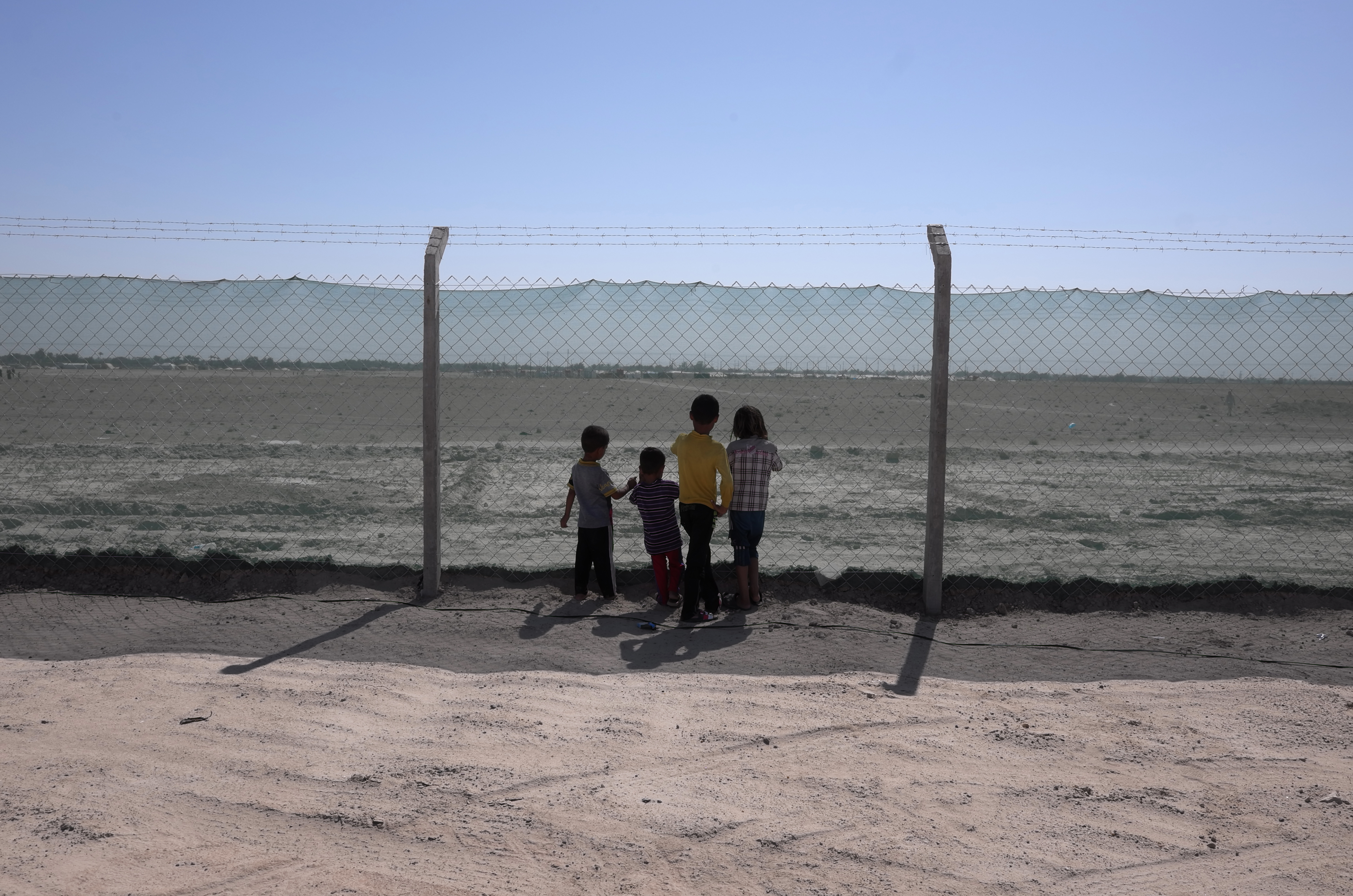
Inside besieged Fallujah, an estimated 50,000 civilians were held by ISIS as human shields—a crisis that slowed the Iraqi military’s advance while cutting off humanitarian aid for months, forcing residents to survive on stale dates, animal feed, and contaminated water from the Euphrates River. Hundreds of families managed to flee toward military positions outside the city limits in Saqlawiyah despite indiscriminate ISIS gunfire and roadside bombs. Meanwhile, the United Nations Office for the Coordination of Humanitarian Affairs (OCHA) warned of a deepening humanitarian emergency, reporting that its relief appeal had received only one-third of required funding—$285 million—forcing critical aid projects to shut down as tens of thousands of displaced Iraqis arrived in camps and thousands of detained men faced unverified accusations and documented abuses.